Before 1893, Wringing Out a Mop Meant Wringing It Out With Your Hands
A mop was a bundle of rags nailed to a stick. To clean it you untied it, or you squeezed it, or you did not bother. Thomas Stewart added a clamp that let the head come off and a lever that wrung it out.
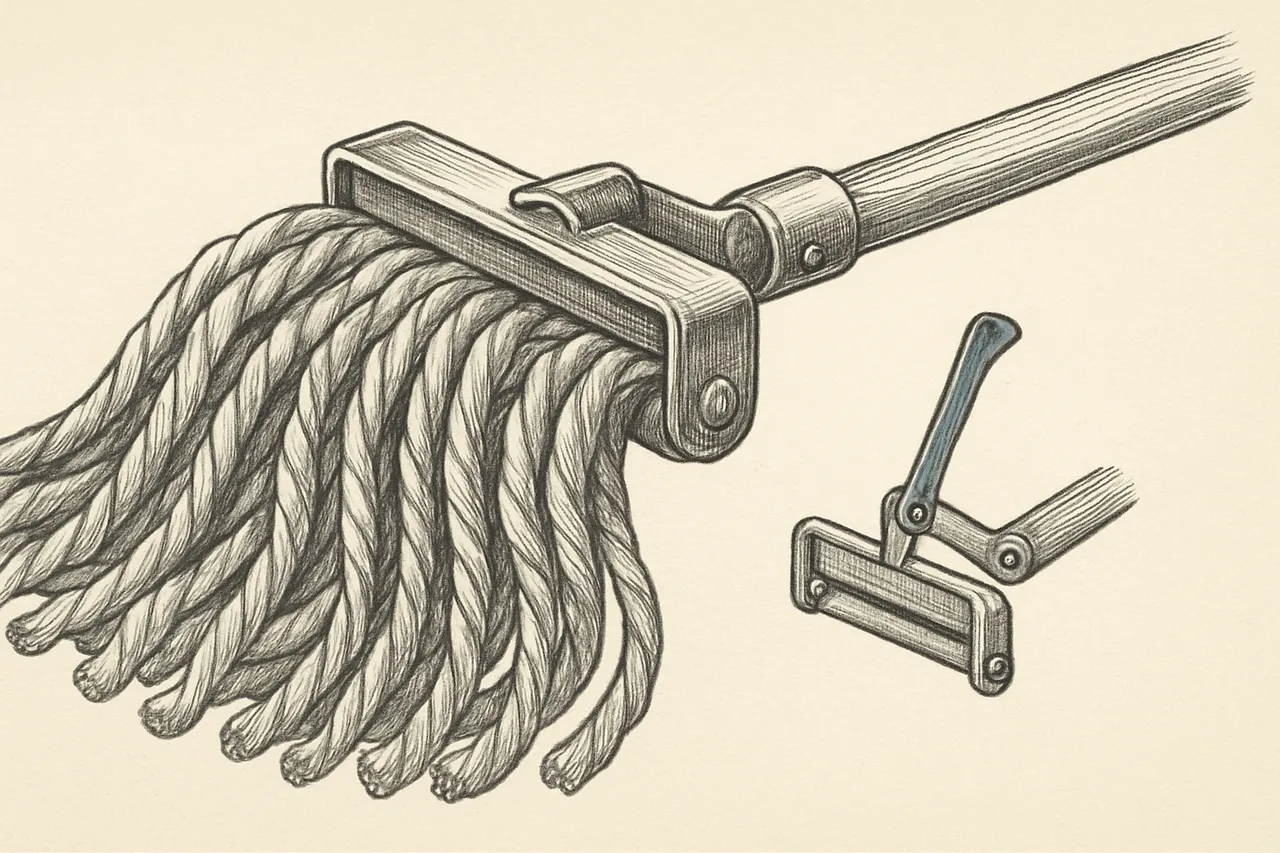
US499402 was granted to Thomas W. Stewart of Kalamazoo, Michigan, on June 13, 1893. It covers a mop with a clamping head and a wringing mechanism.
Stewart was a Black inventor, one of the small number recorded from the period, and he held at least two patents. The mop is the one still in use.
What a mop was before
The nineteenth century mop was a bundle of rag strips or yarn, tied or nailed onto the end of a stick. That construction has two failures that anyone who has used one will recognize.
Cleaning it is unpleasant and slow. A saturated mop head holds a lot of dirty water and the only way to get the water out is to squeeze the head by hand, which means putting your hands into the same water you were trying to remove from the floor.
Replacing it is worse. When the rags rot, and they rot fast, the head has to be cut or pried off the stick and a new bundle tied on. Most people simply used the mop past the point where it was doing anything useful.
The clamp
Stewart's patent puts a hinged metal clamp at the working end of the handle. The mop head sits in the clamp and a lever tightens it.
That single change solves both problems. Loosening the lever releases the head, so it can be taken off, washed properly or thrown away, and swapped for a new one without touching the handle. And because the clamp can be tightened down onto the head while it is in place, the mechanism can be worked to squeeze water out of the strands without hand contact.
The patent also specifies the head itself as a replaceable component, which is the part that eventually reshaped the business. Selling a durable handle and a stream of consumable heads is the same structure that the razor and the bottle cap made famous.
Where it went
Commercial cleaning adopted clamp mops quickly, because the labor saving is obvious at scale and the hygiene argument became more compelling as germ theory took hold in institutional settings.
The design is still standard. The clamp on a modern commercial wet mop, the jaws on a home sponge mop, and the twist collar on a string mop are all doing the job Stewart's lever did: hold the head firmly, release it on demand, and let the user get the water out without using their hands.
Stewart's biography, like Lloyd Ray's and Sarah Boone's, is mostly missing. The patent is what is left.
See the original
The full text and figures of US499402 are on patents.us.
Related stories
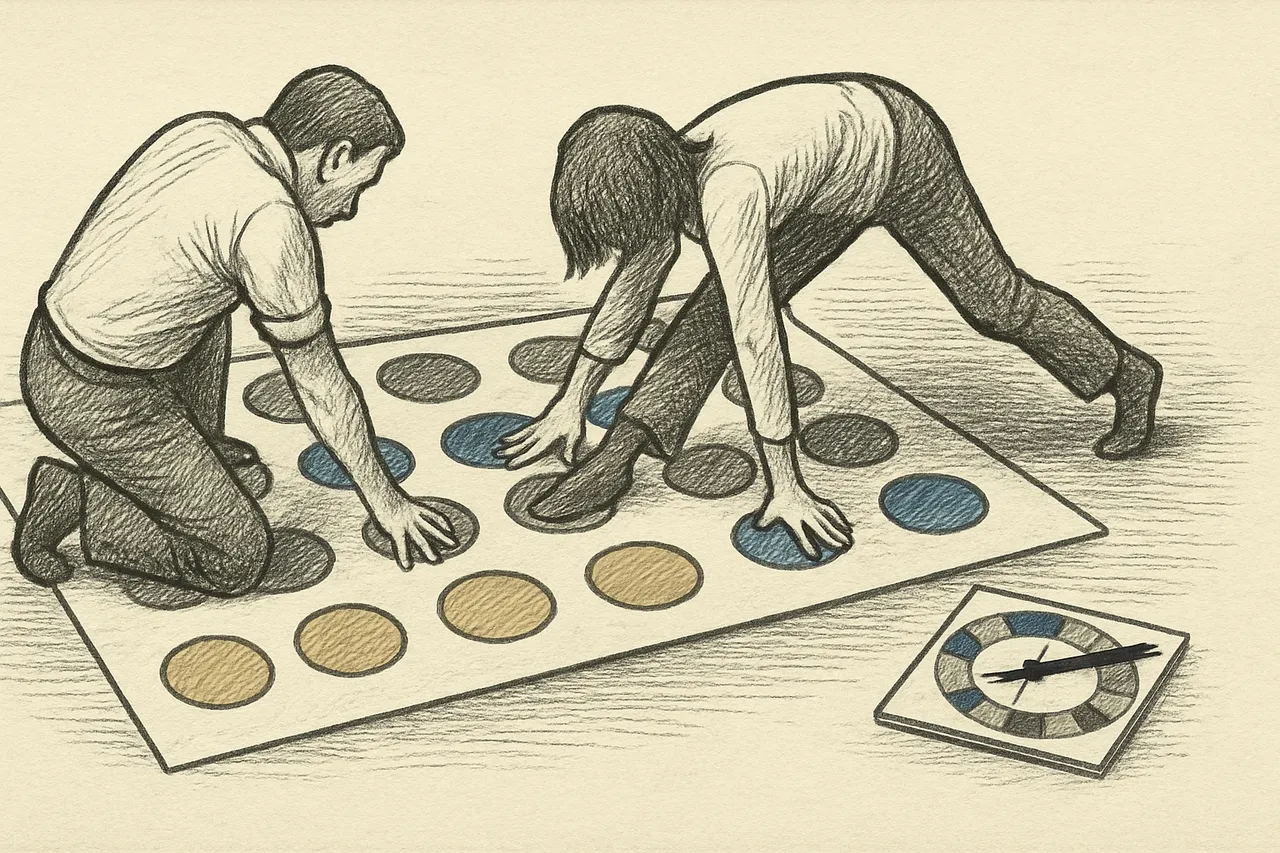
Twister's Patent Is Titled 'Apparatus for Playing a Game Wherein the Players Constitute the Game Pieces'
The patent title is the whole idea: the people are the pieces. Milton Bradley released the game in 1966, some retailers were wary of it, and critics found it a little too intimate. Then Johnny Carson played it on television with Eva Gabor, and the orders poured in.
Read the story →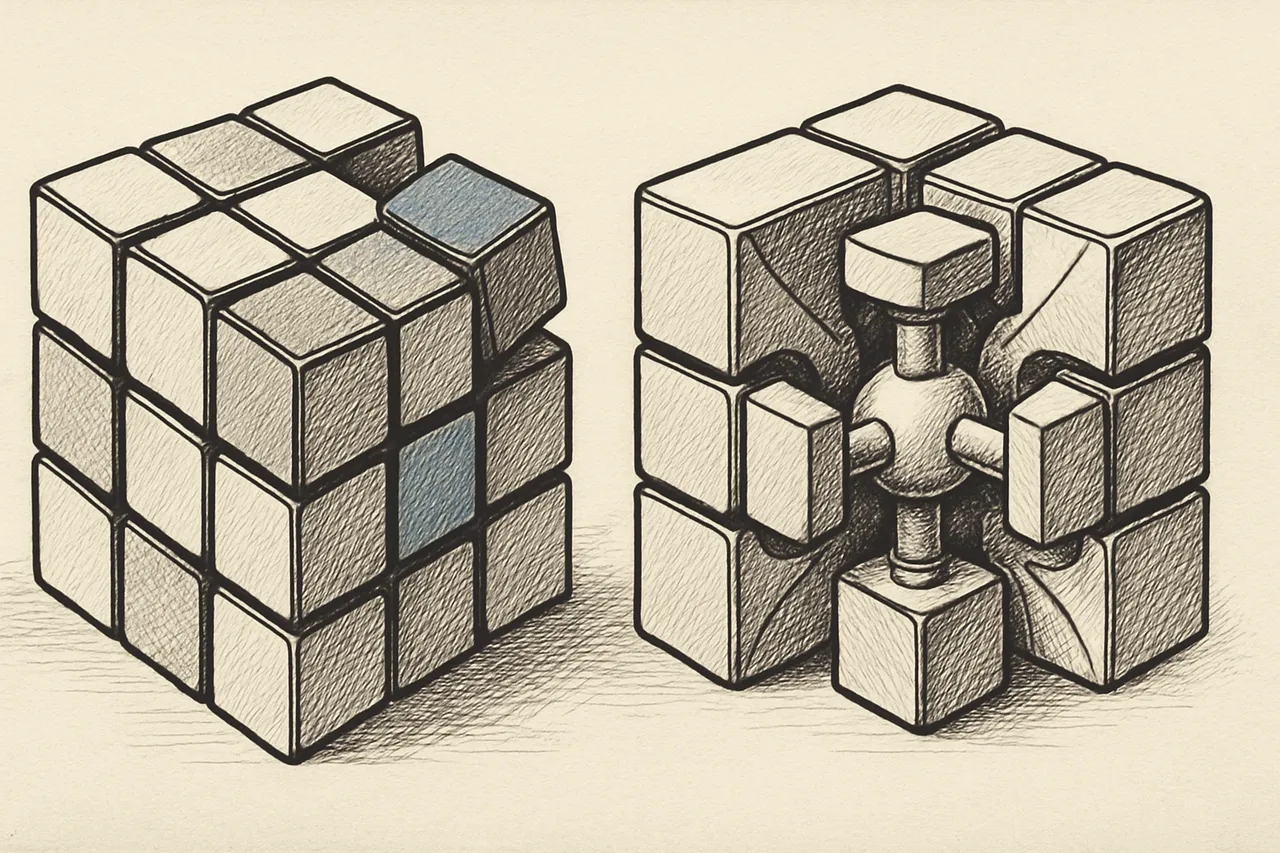
Ernő Rubik Needed About a Month to Solve His Own Cube. An American Court Later Found It Infringed an Earlier US Patent.
Rubik built the first cube in Budapest in 1974 as a way to think about three-dimensional movement. The clever part is how it holds together when most of its pieces are not attached to anything. In the United States, a chemist named Larry Nichols had patented a related puzzle in 1972, and his company sued.
Read the story →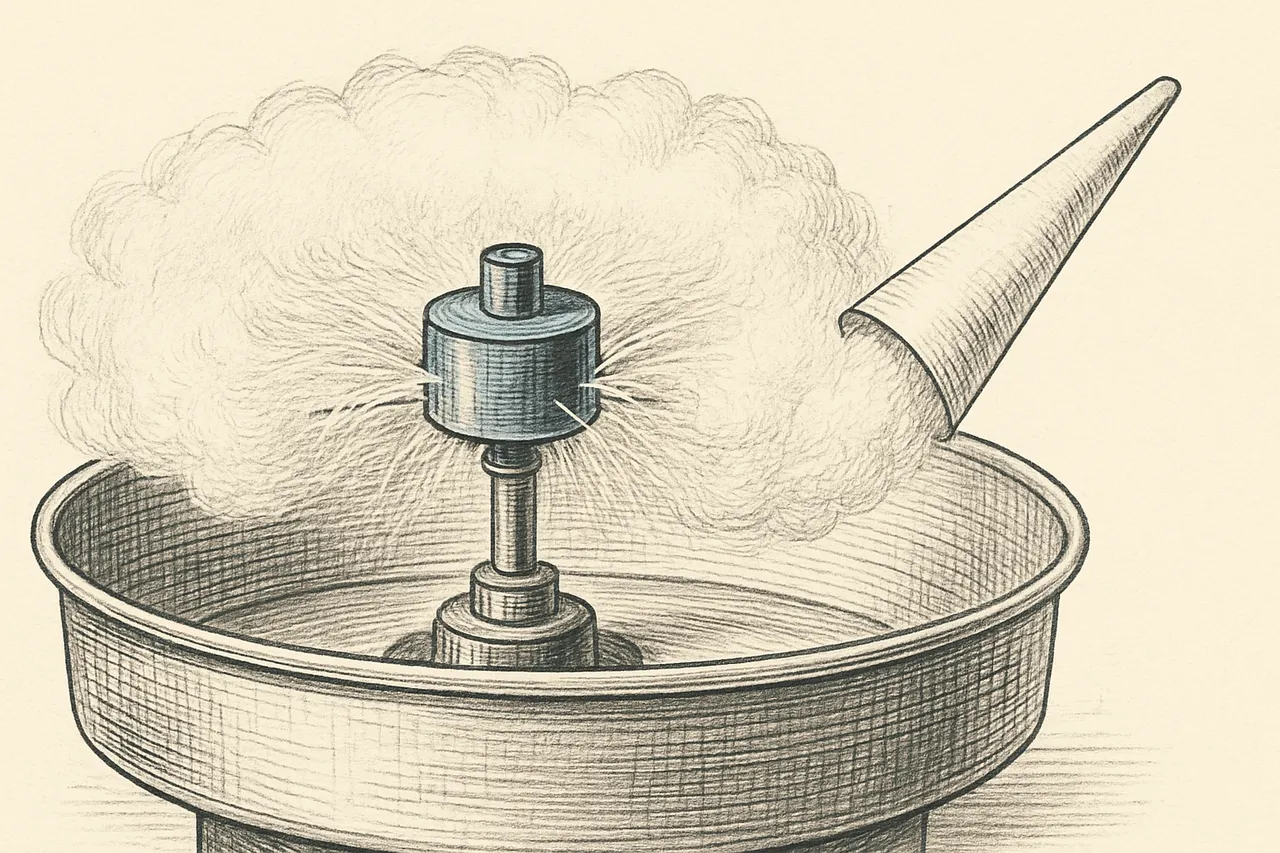
A Dentist Co-Invented the Cotton Candy Machine, and It Was Sold at the 1904 World's Fair as Fairy Floss
William Morrison was a dentist and John Wharton was a candy maker. Their machine melted sugar and flung it through tiny holes so that it cooled into threads finer than hair before it could crystallize. They filed in 1897, and at the St. Louis World's Fair it was a sensation.
Read the story →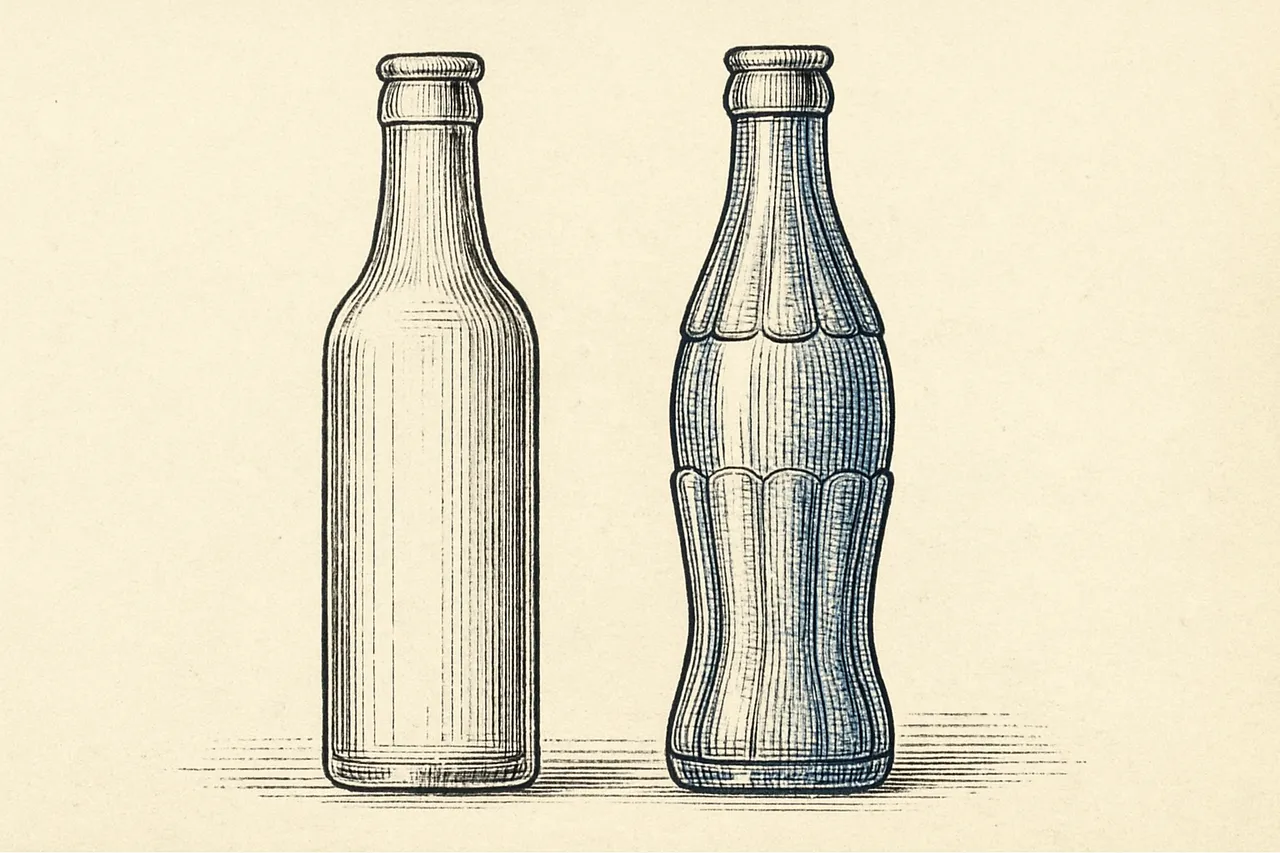
Coca-Cola Asked Glassmakers for a Bottle You Could Recognize in the Dark, or Broken on the Ground
In 1915 Coca-Cola had an imitation problem, since competitors used the same straight-sided bottles and borrowed-sounding names. It challenged glass companies to design a bottle identifiable by touch alone. The winner came from a small glassworks in Terre Haute, Indiana, and the name on the patent is not the name of the man who drew it.
Read the story →