A Janitor With Asthma Invented the Upright Vacuum, Then Sold It to His Cousin's Husband
James Murray Spangler was sixty, working nights as a department store janitor, and the carpet sweeper he pushed was making him sick. He built a machine from a fan motor, a broom handle, a soap box, and a pillowcase.
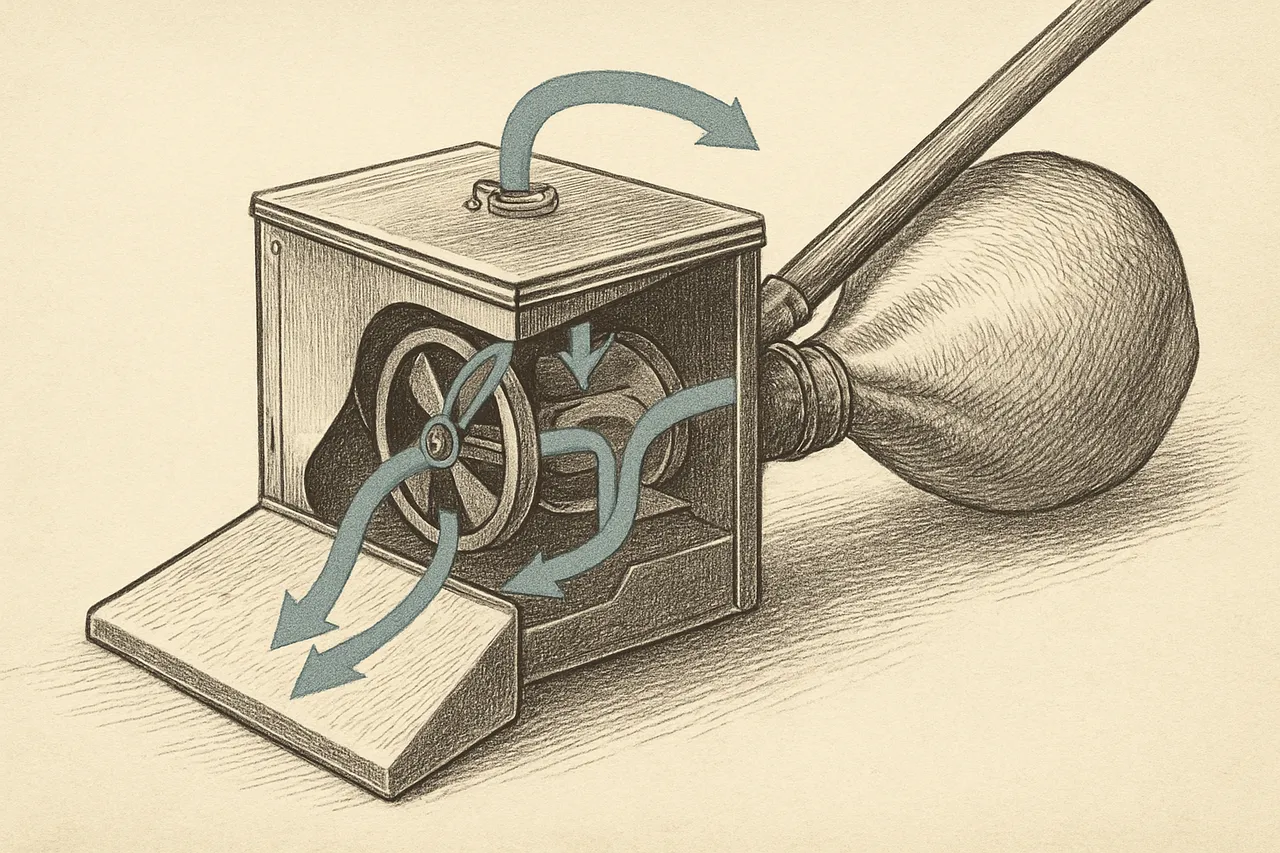
US889823 was granted to James Murray Spangler on June 2, 1908. The title is "Carpet Sweeper and Cleaner." It is the first practical portable electric vacuum cleaner, and it was built by a man who could not afford to be sick and could not afford to quit.
Spangler was about sixty years old, in Canton, Ohio, working as a night janitor at a department store. He had asthma. His job involved pushing a mechanical carpet sweeper — a device that beats dust out of a carpet and, in the process, throws an enormous amount of it into the air.
His coughing fits, by his own account, were caused by his own job.
The soap box and the pillowcase
Existing vacuum systems were not an option. Powered suction cleaning did exist in 1907, but in the form of enormous horse-drawn machines that parked outside a building and ran hoses through the windows, hired by the day. Nothing existed that one person could push.
Spangler built one from what he had: an electric fan motor to generate suction, a tin soap box as the body, a broom handle to push it, and a pillowcase tied on to catch the dust. He added a rotating brush at the front to loosen the carpet fibers ahead of the intake.
That combination — motorized suction, an agitating brush, and a removable collection bag, all in an upright unit driven by one person — is the upright vacuum cleaner. The architecture has not changed.
His asthma improved.
Selling it to Hoover
Spangler patented the machine and started a company to manufacture it, and immediately ran into the problem that has ended most of the stories in this archive: he had no capital.
Among the people he sold early machines to was his cousin, Susan Hoover. She was impressed enough with it that her husband, William Henry Hoover — who ran a leather goods business making horse harnesses and saddles, an industry that could see the automobile coming and knew it was doomed — bought a controlling interest in Spangler's patent in 1908.
Hoover retooled the harness factory, hired Spangler as superintendent, and began manufacturing.
The company built the market with a tactic that was novel at the time: a free ten-day home trial, advertised in national magazines, with the machine delivered by a local retailer who would take it back if the customer declined. It removed the risk from an expensive unfamiliar appliance, and it worked.
The names
Spangler continued to earn royalties and worked for the company until his death in 1915. He did reasonably well — better than many in this archive — but the company carried the other name.
In Britain the outcome went further still: hoover became a common verb. People hoover their carpets with vacuum cleaners made by other manufacturers entirely, using the name of the harness maker who bought the patent from the janitor who invented it.
See the original
The full text and figures of US889823 are on patents.us.
Related stories
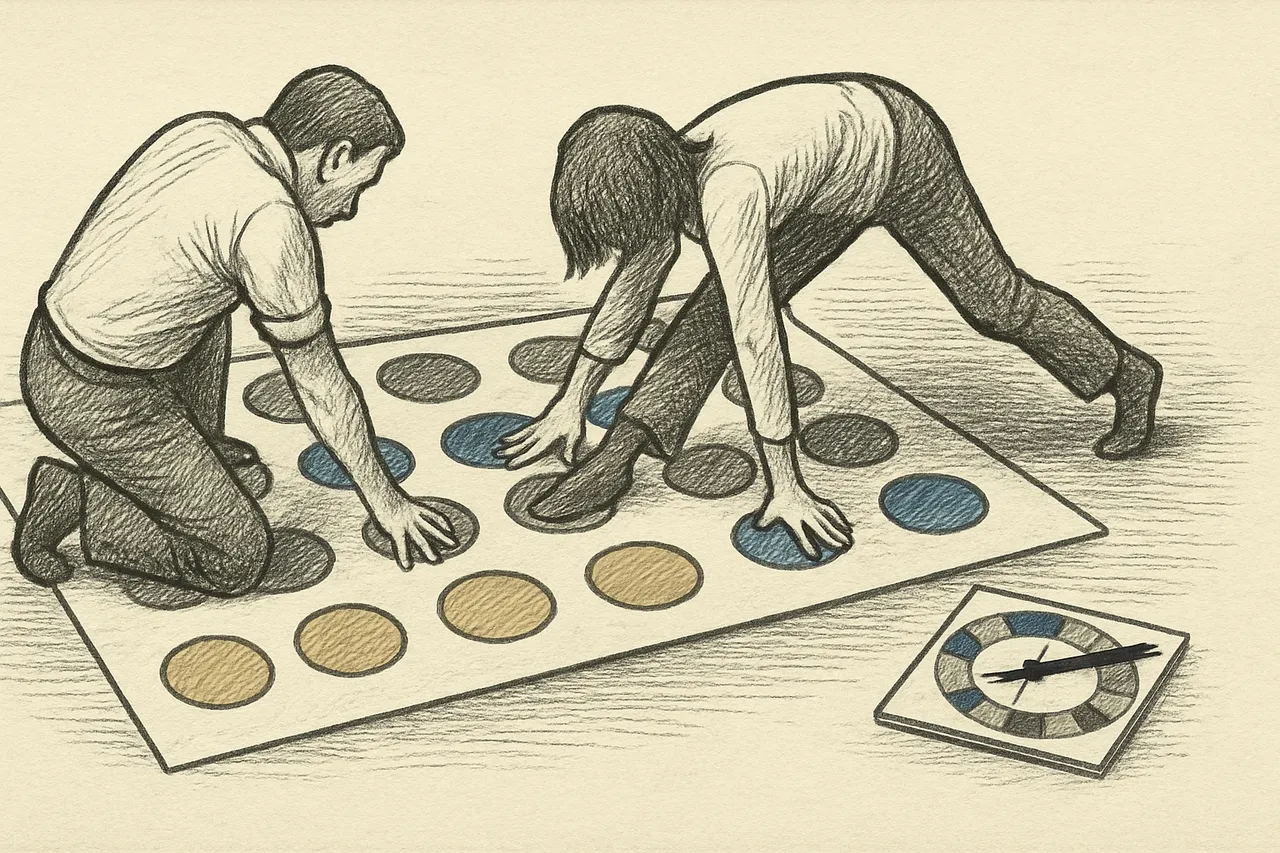
Twister's Patent Is Titled 'Apparatus for Playing a Game Wherein the Players Constitute the Game Pieces'
The patent title is the whole idea: the people are the pieces. Milton Bradley released the game in 1966, some retailers were wary of it, and critics found it a little too intimate. Then Johnny Carson played it on television with Eva Gabor, and the orders poured in.
Read the story →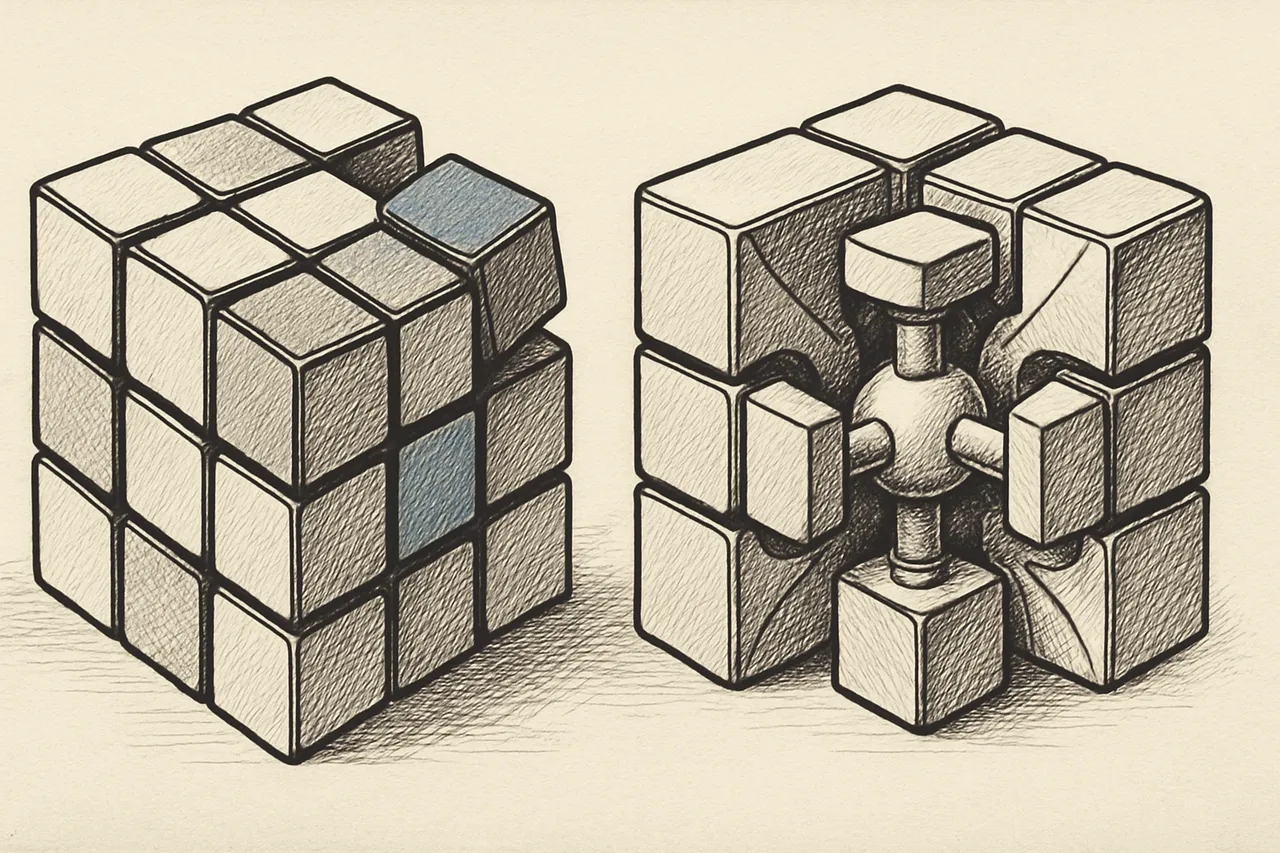
Ernő Rubik Needed About a Month to Solve His Own Cube. An American Court Later Found It Infringed an Earlier US Patent.
Rubik built the first cube in Budapest in 1974 as a way to think about three-dimensional movement. The clever part is how it holds together when most of its pieces are not attached to anything. In the United States, a chemist named Larry Nichols had patented a related puzzle in 1972, and his company sued.
Read the story →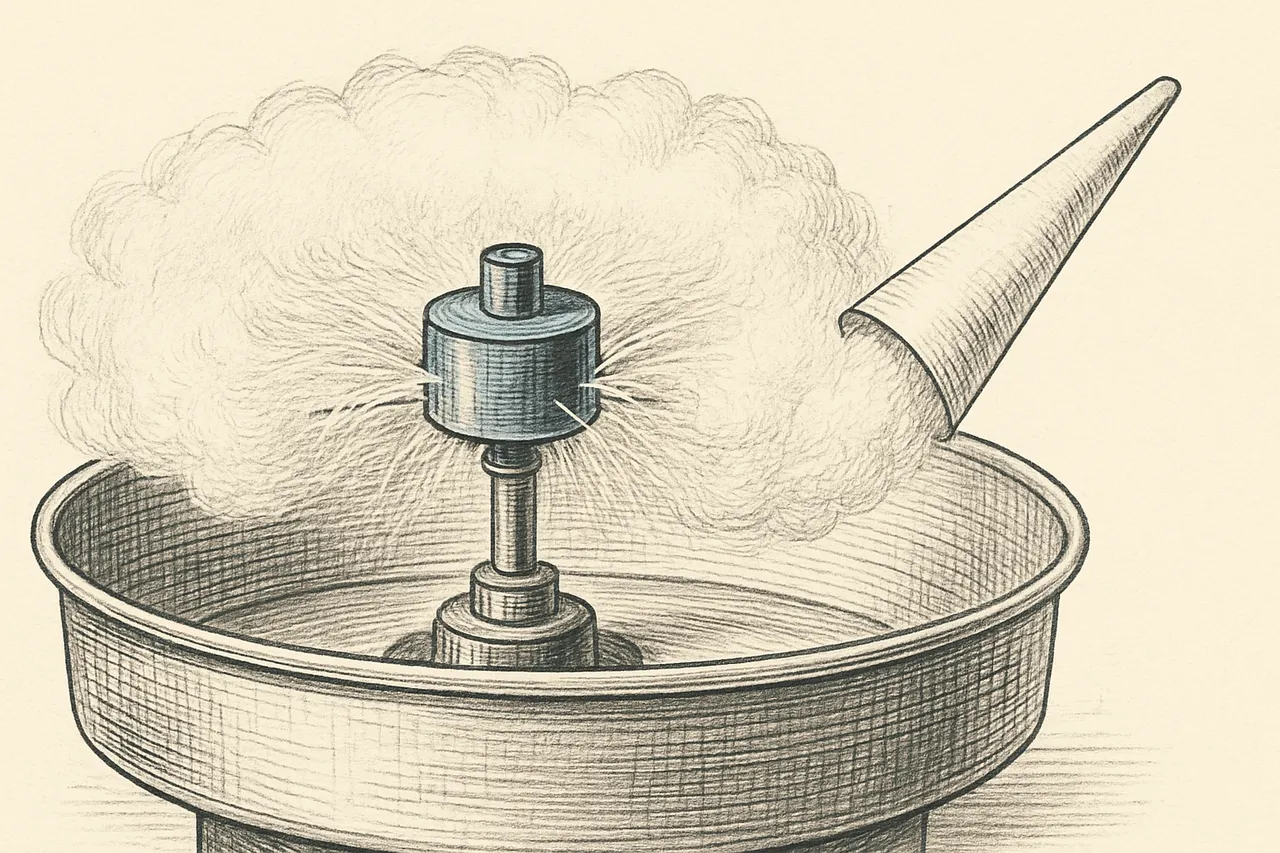
A Dentist Co-Invented the Cotton Candy Machine, and It Was Sold at the 1904 World's Fair as Fairy Floss
William Morrison was a dentist and John Wharton was a candy maker. Their machine melted sugar and flung it through tiny holes so that it cooled into threads finer than hair before it could crystallize. They filed in 1897, and at the St. Louis World's Fair it was a sensation.
Read the story →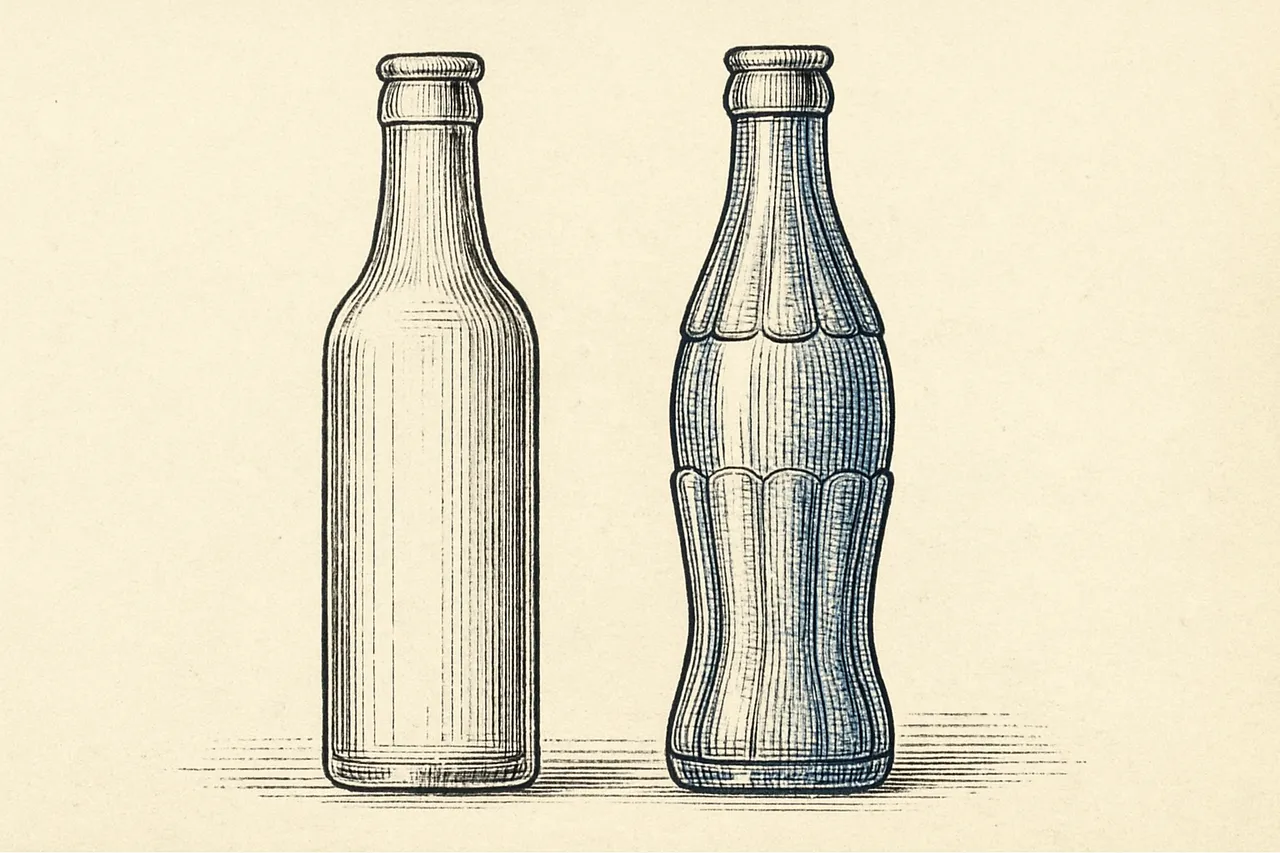
Coca-Cola Asked Glassmakers for a Bottle You Could Recognize in the Dark, or Broken on the Ground
In 1915 Coca-Cola had an imitation problem, since competitors used the same straight-sided bottles and borrowed-sounding names. It challenged glass companies to design a bottle identifiable by touch alone. The winner came from a small glassworks in Terre Haute, Indiana, and the name on the patent is not the name of the man who drew it.
Read the story →