The Trampoline Was Built From a Circus Idea, Named After a Spanish Word, and Used to Train Astronauts
George Nissen was a teenage gymnast who watched trapeze artists bounce off the safety net and wondered why the bounce was the boring part. He built a rig in his garage, and the military and NASA found uses for it he never intended.
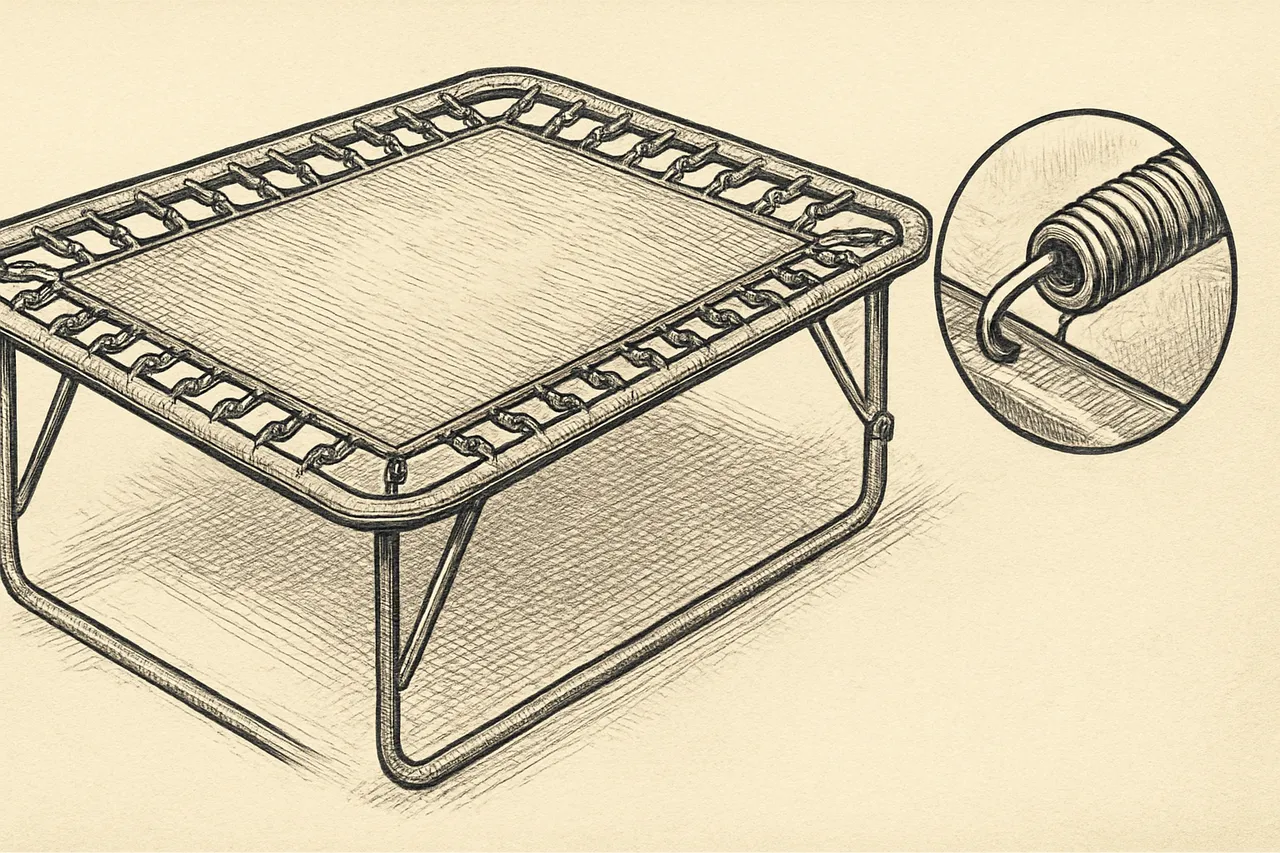
US2370990 was granted to George P. Nissen and Larry Griswold on March 6, 1945. The title is "Tumbling Device." Everyone calls it a trampoline.
Nissen was a competitive gymnast and diver from Cedar Rapids, Iowa. As a teenager in the 1930s he watched circus trapeze artists finish their act by dropping into the safety net and bouncing — and noticed that the audience enjoyed the bounce, which was an accident, more than some of the choreography, which was not.
He built a prototype in his parents' garage with a friend and coach, Larry Griswold: a steel frame with a canvas bed slung inside it on coiled springs. The key structural idea is that the bed is not attached rigidly at all. Every spring in the perimeter stores and returns energy, which is what makes the rebound so high and so consistent.
The name
Nissen took the rig on tour through Mexico, performing with it, and picked up the Spanish word trampolín, meaning a diving board or springboard. He anglicized it to trampoline, and registered it as a trademark.
Like escalator and zipper before it, the trademark eventually lost its fight with common usage. The word is now simply the English name of the object.
What the military wanted with it
The trampoline's first serious institutional customer was not the playground. It was the armed forces.
During the Second World War, the United States Navy Flight School adopted trampolines for pilot and navigator training. The reason is precise: bouncing forces a person to continuously reorient themselves in the air, and a pilot needs exactly that skill — spatial awareness while the horizon is moving and the body is not where it expects to be.
The space program took the idea further. NASA used trampolines in astronaut training, because the rebounding flight phases offer brief periods of altered-gravity sensation and demand body control without a fixed reference frame.
The backyard
The trampoline became a competitive sport — it entered the Olympic Games in 2000 — and, more consequentially in sheer numbers, a backyard fixture.
That last transition brought a genuine problem that the patent could not anticipate. Backyard trampolines are the source of a large volume of emergency-room injuries every year, overwhelmingly from multiple children bouncing at once, where one child's landing launches another unpredictably. The industry's answer has been the safety enclosure net — now standard — plus springs covered by padding.
Nissen promoted his invention relentlessly for decades, including a famous publicity photograph of himself bouncing on a trampoline alongside a kangaroo in Central Park. He lived to ninety-six.
See the original
The full text and figures of US2370990 are on patents.us.
Related stories
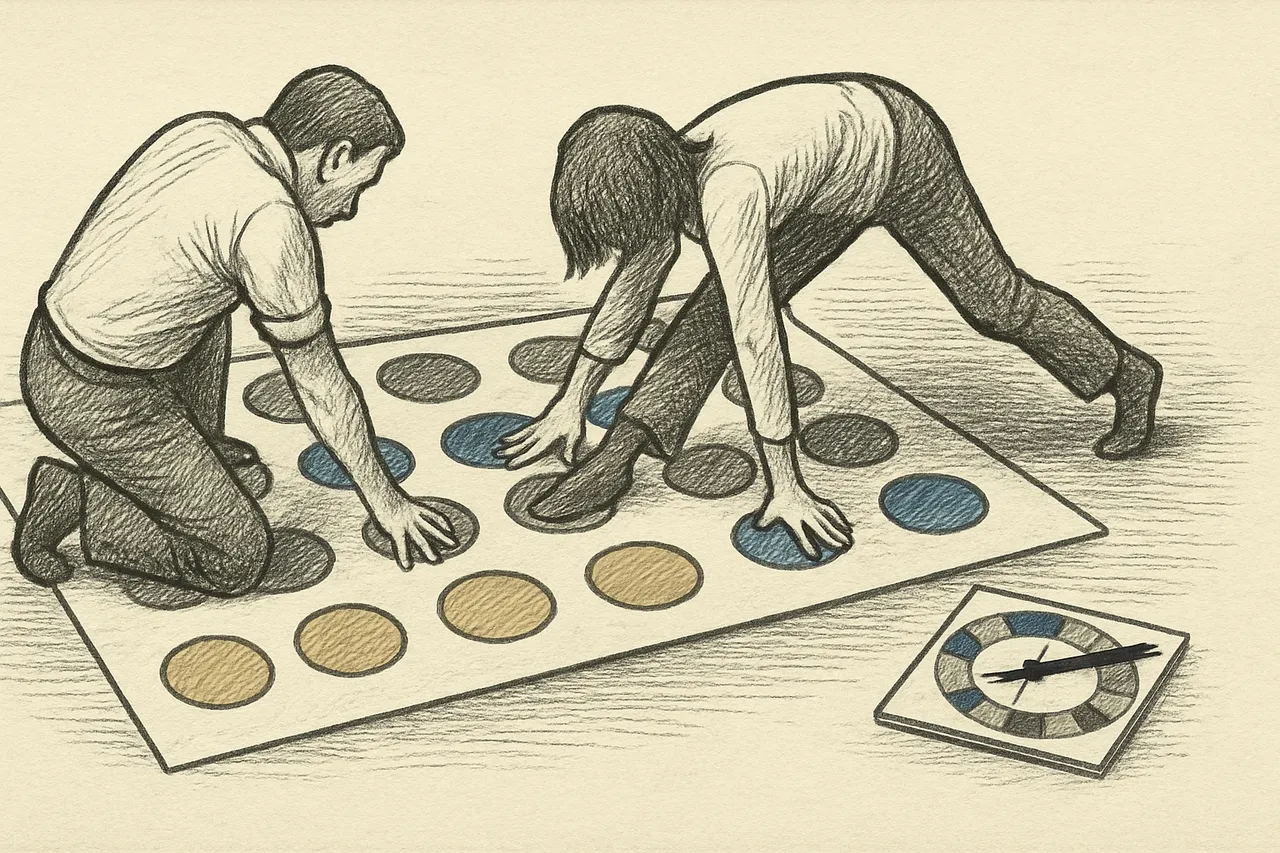
Twister's Patent Is Titled 'Apparatus for Playing a Game Wherein the Players Constitute the Game Pieces'
The patent title is the whole idea: the people are the pieces. Milton Bradley released the game in 1966, some retailers were wary of it, and critics found it a little too intimate. Then Johnny Carson played it on television with Eva Gabor, and the orders poured in.
Read the story →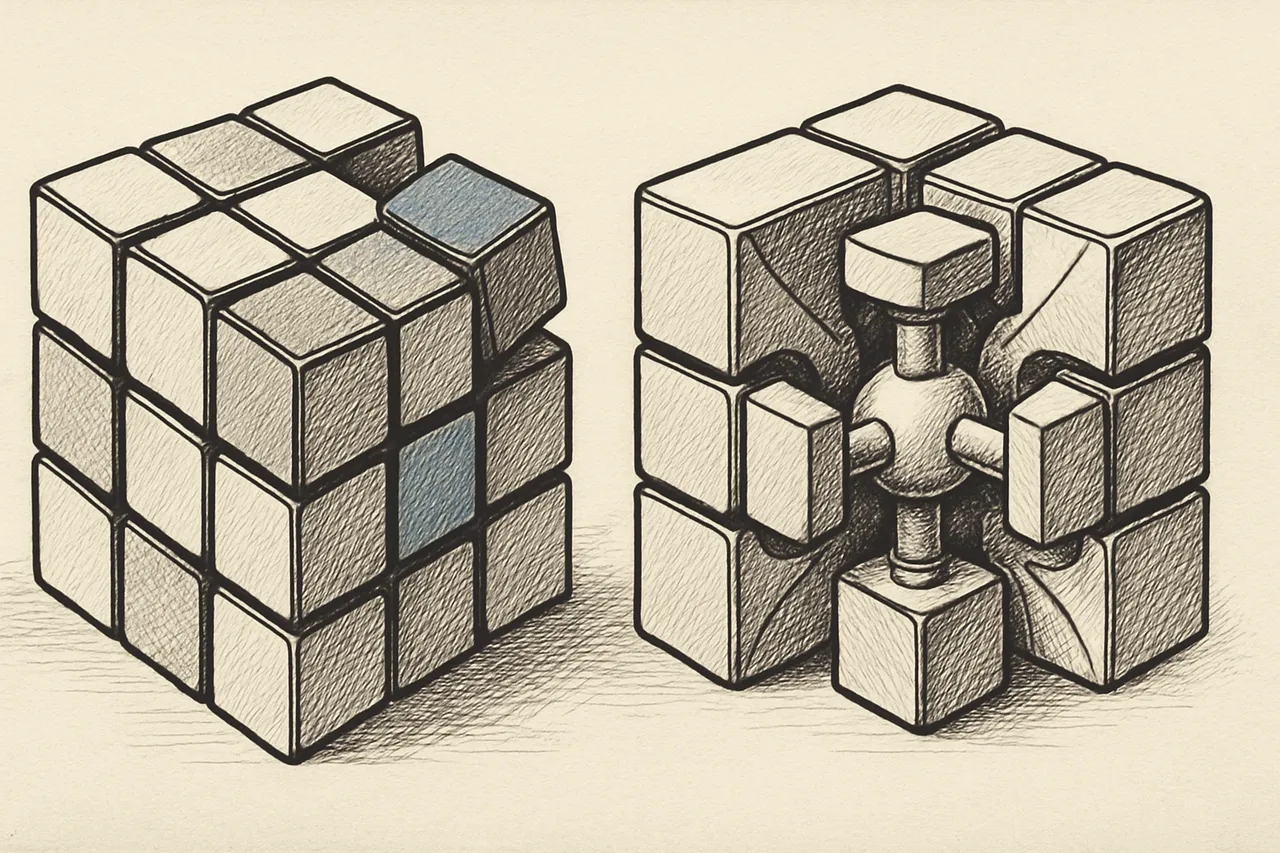
Ernő Rubik Needed About a Month to Solve His Own Cube. An American Court Later Found It Infringed an Earlier US Patent.
Rubik built the first cube in Budapest in 1974 as a way to think about three-dimensional movement. The clever part is how it holds together when most of its pieces are not attached to anything. In the United States, a chemist named Larry Nichols had patented a related puzzle in 1972, and his company sued.
Read the story →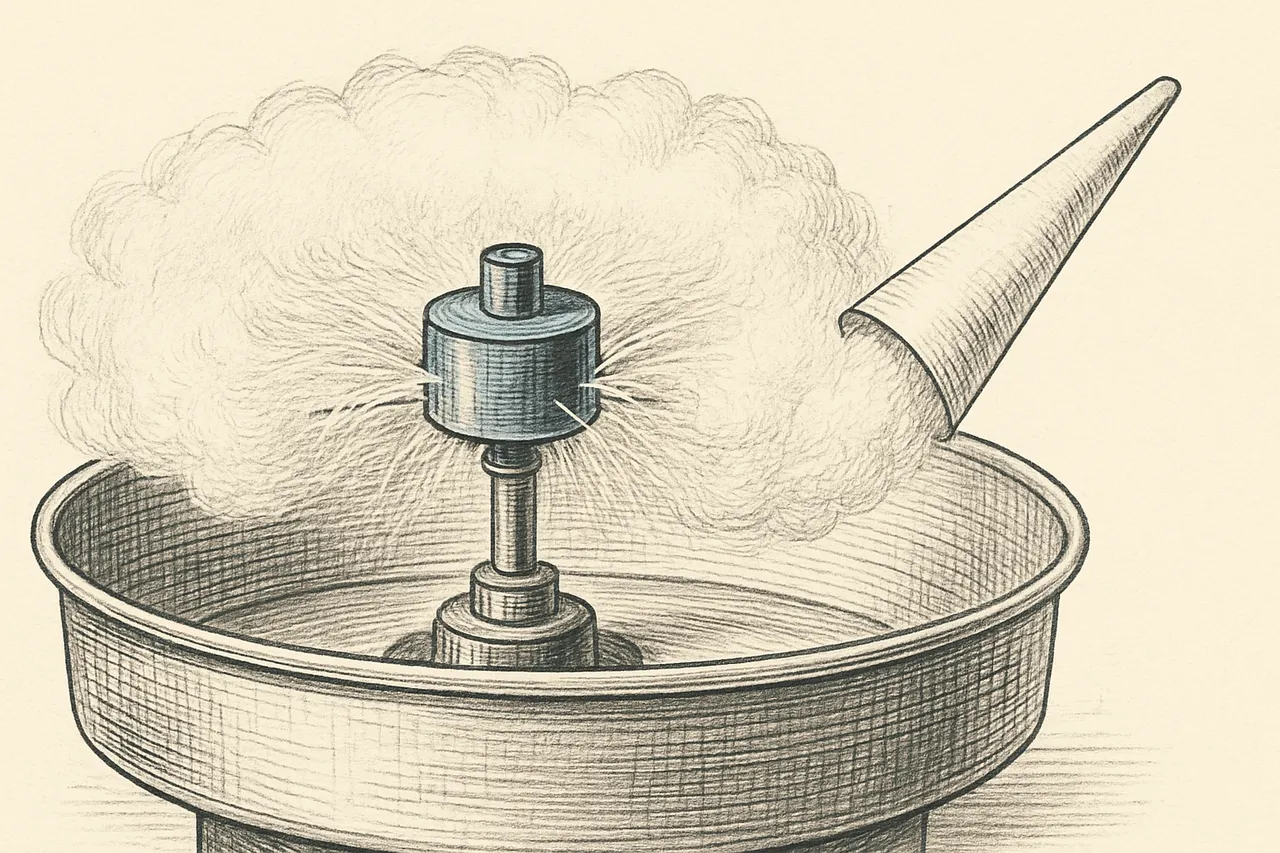
A Dentist Co-Invented the Cotton Candy Machine, and It Was Sold at the 1904 World's Fair as Fairy Floss
William Morrison was a dentist and John Wharton was a candy maker. Their machine melted sugar and flung it through tiny holes so that it cooled into threads finer than hair before it could crystallize. They filed in 1897, and at the St. Louis World's Fair it was a sensation.
Read the story →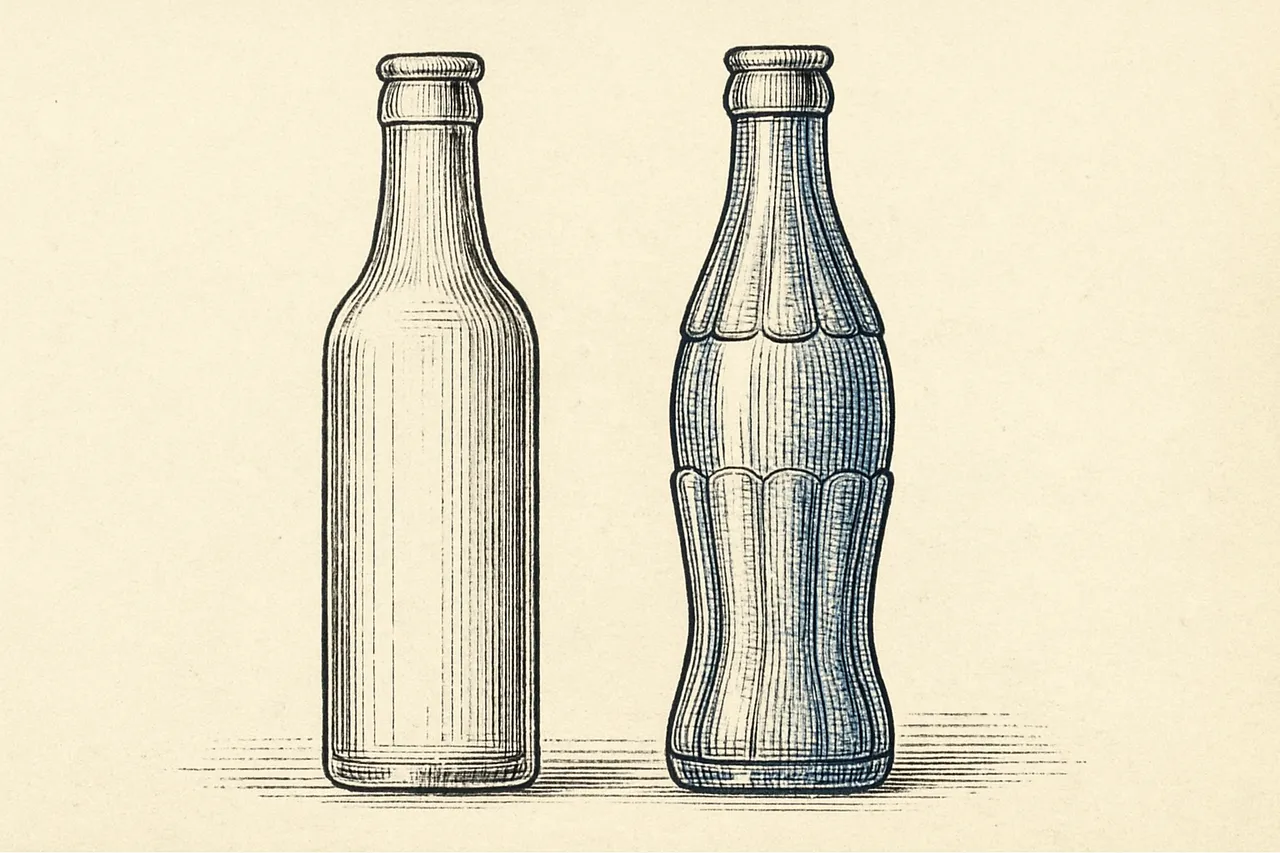
Coca-Cola Asked Glassmakers for a Bottle You Could Recognize in the Dark, or Broken on the Ground
In 1915 Coca-Cola had an imitation problem, since competitors used the same straight-sided bottles and borrowed-sounding names. It challenged glass companies to design a bottle identifiable by touch alone. The winner came from a small glassworks in Terre Haute, Indiana, and the name on the patent is not the name of the man who drew it.
Read the story →