The Tea Bag Was a Sample Pouch. Customers Brewed the Whole Thing and Nobody Corrected Them.
Thomas Sullivan sent tea samples to customers in small silk bags to save money on tins. They dropped the bags straight into the pot, decided it was better that way, and started ordering tea in bags. He had not invented anything on purpose.
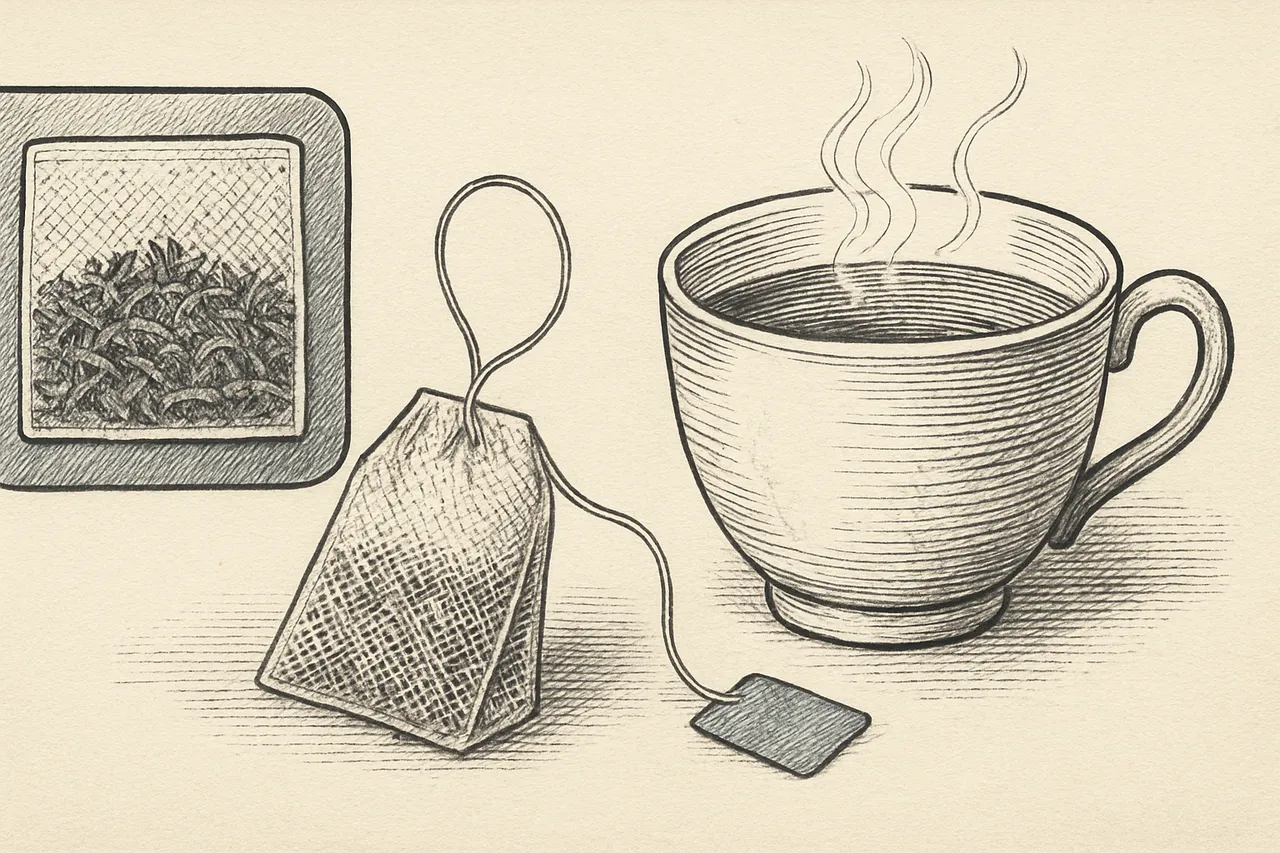
US723287, granted in 1903 to Roberta Lawson and Mary Molaren of Milwaukee, describes a "tea leaf holder" — a mesh pocket for brewing a single cup without loose leaves in the water. It is one of the earliest American patents pointing at the tea bag.
It is also not the story most people know, and the more famous version is the more instructive one, because in it the inventor did not intend to invent anything at all.
The samples
Around 1908, Thomas Sullivan was a tea and coffee merchant in New York who sent samples to prospective customers. Tea samples conventionally went out in small tins, which were expensive.
To cut costs, Sullivan began sending his samples in small hand-sewn silk pouches instead. The intention was purely packaging: the customer would open the pouch, tip out the leaves, and brew them normally.
The customers did not do that. They dropped the entire pouch into the pot.
And it worked. The silk was porous enough to let the water through, the leaves stayed contained, and — crucially — the whole business of straining, cleaning the pot, and dealing with wet leaves simply disappeared.
Orders started coming back asking for tea in the bags.
The complaint that improved it
The early customer feedback was specific and useful. The silk mesh was too fine; water passed through it slowly and the tea brewed weak. Sullivan switched to gauze, and later producers moved to specialized filter paper — porous enough for fast extraction, strong enough not to disintegrate in boiling water.
The remaining refinements were mostly industrial: the heat-sealed paper bag, the string and tag so you could retrieve it without a spoon, the folded two-chamber shape that increases surface area, and the machines that could make thousands an hour.
The cultural split
The tea bag was adopted quickly and enthusiastically in the United States, where iced tea and speed were already dominant, and much more slowly in Britain, where it was regarded for decades as an inferior article that produced inferior tea.
Britain gave in eventually and completely — the overwhelming majority of tea drunk there is now brewed from bags — but the objection was never entirely wrong. A bag confines the leaves and restricts how much they can unfurl and circulate, which is why the finest teas are still sold loose, and why premium producers now use large pyramid bags that give the leaves room.
Sullivan appears not to have patented the bag, and the credit for it is, like the ice cream cone, genuinely distributed across several people including Lawson and Molaren's 1903 filing. What Sullivan contributed was accidental and decisive: he put tea in a permeable pouch and let his customers discover what it was for.
See the original
The full text and figures of US723287 are on patents.us.
Related stories
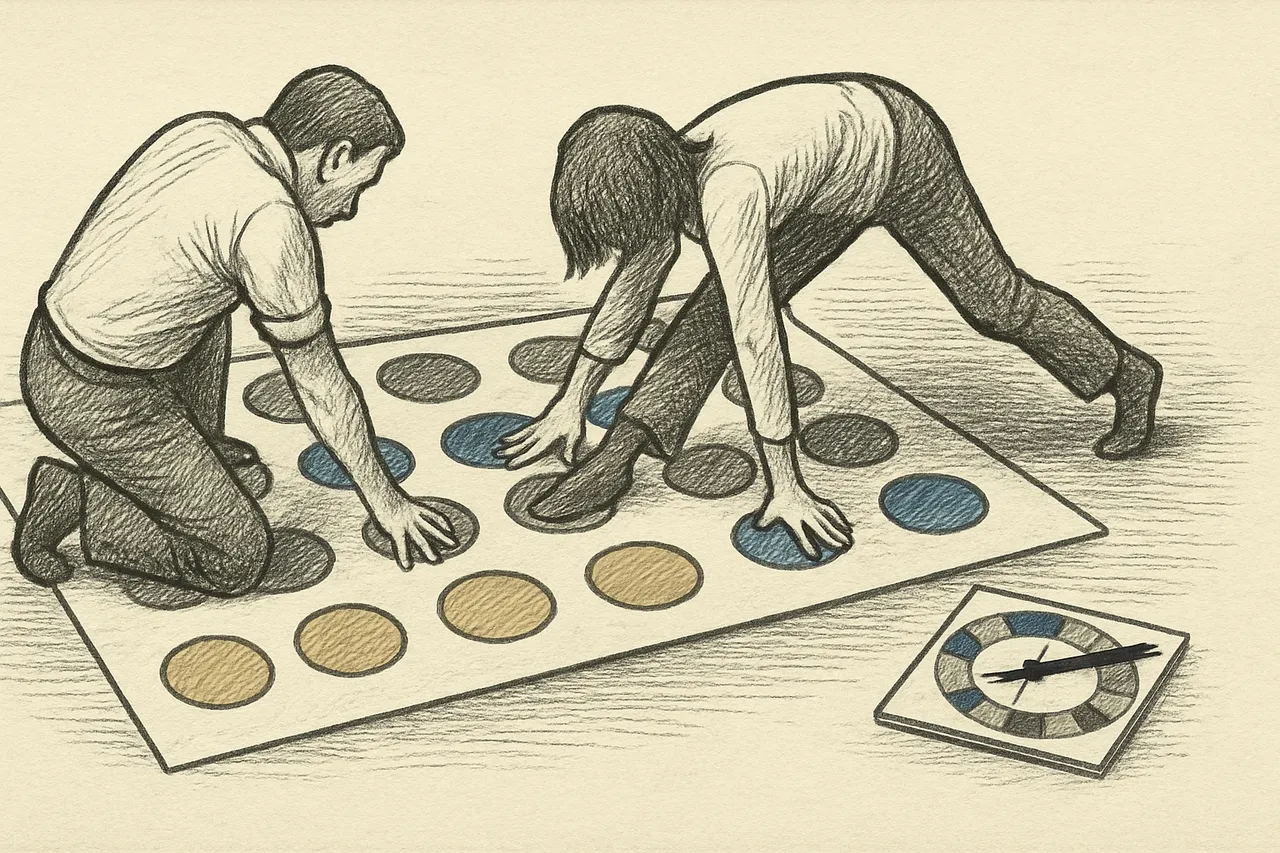
Twister's Patent Is Titled 'Apparatus for Playing a Game Wherein the Players Constitute the Game Pieces'
The patent title is the whole idea: the people are the pieces. Milton Bradley released the game in 1966, some retailers were wary of it, and critics found it a little too intimate. Then Johnny Carson played it on television with Eva Gabor, and the orders poured in.
Read the story →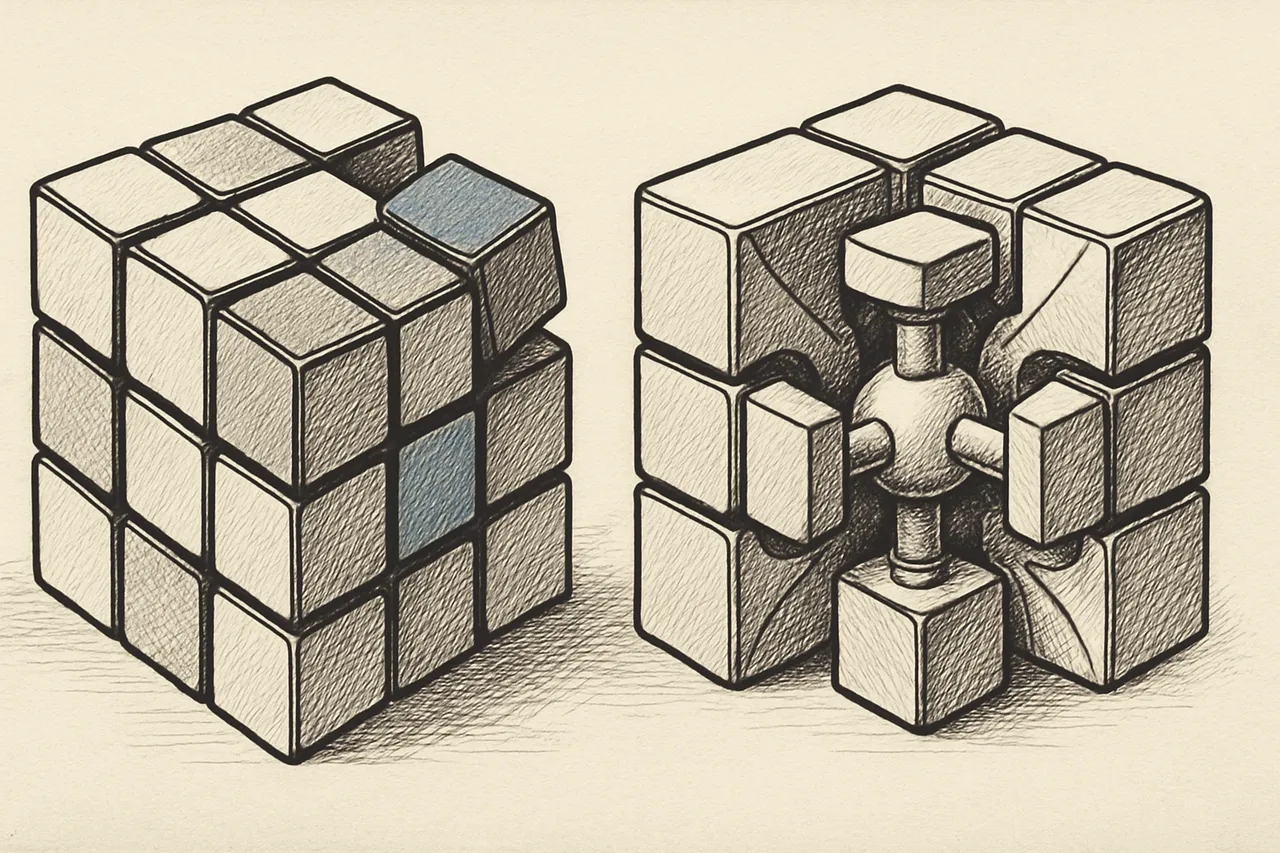
Ernő Rubik Needed About a Month to Solve His Own Cube. An American Court Later Found It Infringed an Earlier US Patent.
Rubik built the first cube in Budapest in 1974 as a way to think about three-dimensional movement. The clever part is how it holds together when most of its pieces are not attached to anything. In the United States, a chemist named Larry Nichols had patented a related puzzle in 1972, and his company sued.
Read the story →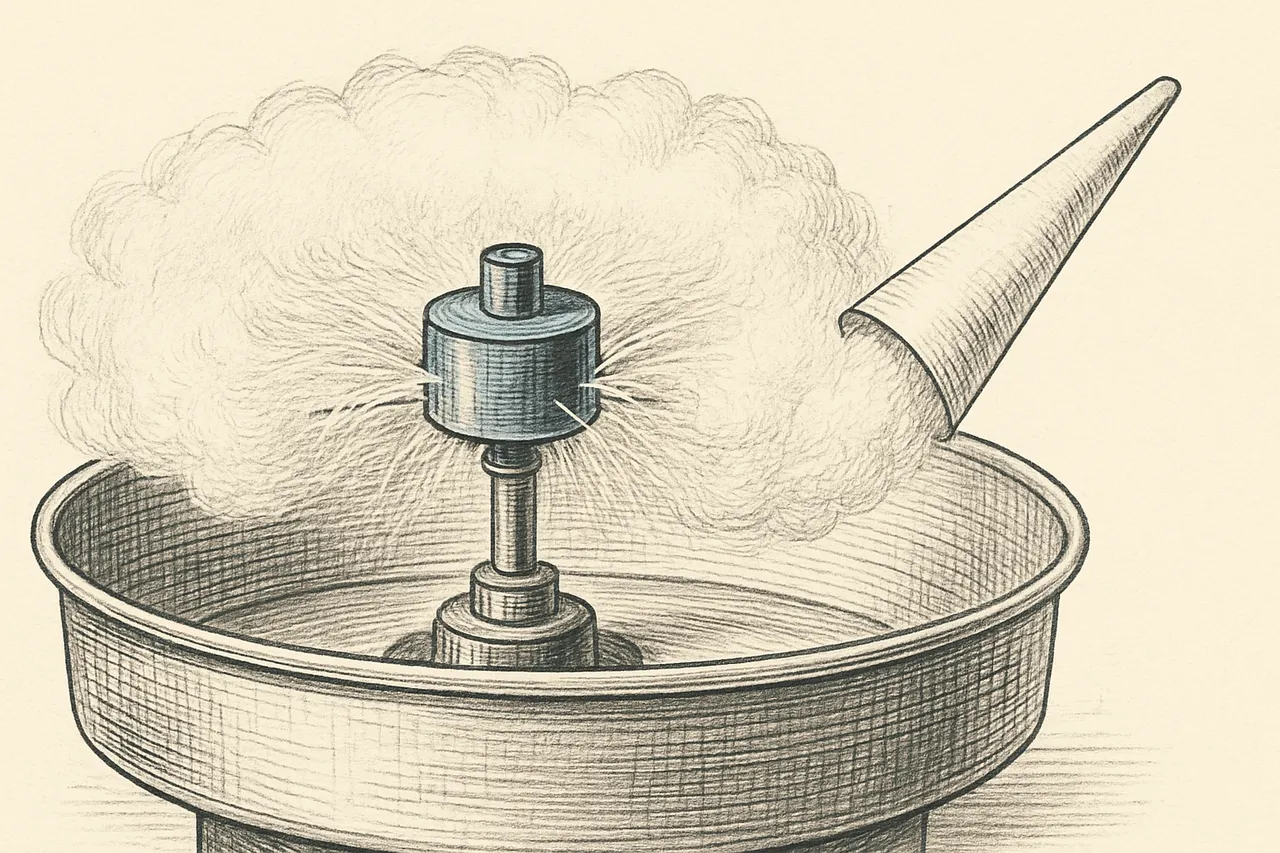
A Dentist Co-Invented the Cotton Candy Machine, and It Was Sold at the 1904 World's Fair as Fairy Floss
William Morrison was a dentist and John Wharton was a candy maker. Their machine melted sugar and flung it through tiny holes so that it cooled into threads finer than hair before it could crystallize. They filed in 1897, and at the St. Louis World's Fair it was a sensation.
Read the story →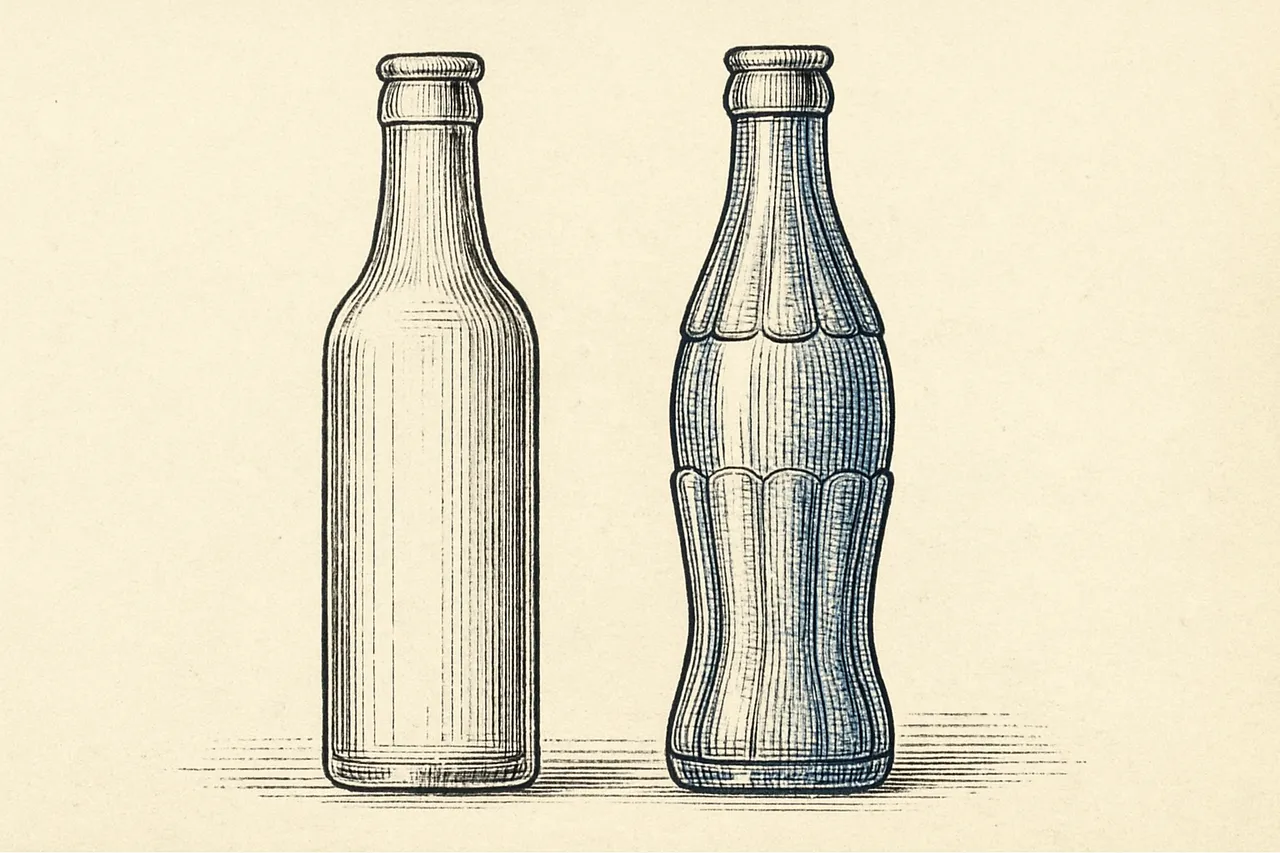
Coca-Cola Asked Glassmakers for a Bottle You Could Recognize in the Dark, or Broken on the Ground
In 1915 Coca-Cola had an imitation problem, since competitors used the same straight-sided bottles and borrowed-sounding names. It challenged glass companies to design a bottle identifiable by touch alone. The winner came from a small glassworks in Terre Haute, Indiana, and the name on the patent is not the name of the man who drew it.
Read the story →