An Eleven-Year-Old Left His Soda on the Porch Overnight and Invented the Popsicle
Frank Epperson mixed powdered soda and water on a cold San Francisco night in 1905 and forgot the cup outside with the stirring stick still in it. He waited eighteen years to patent it, then sold the rights and spent the rest of his life regretting it.
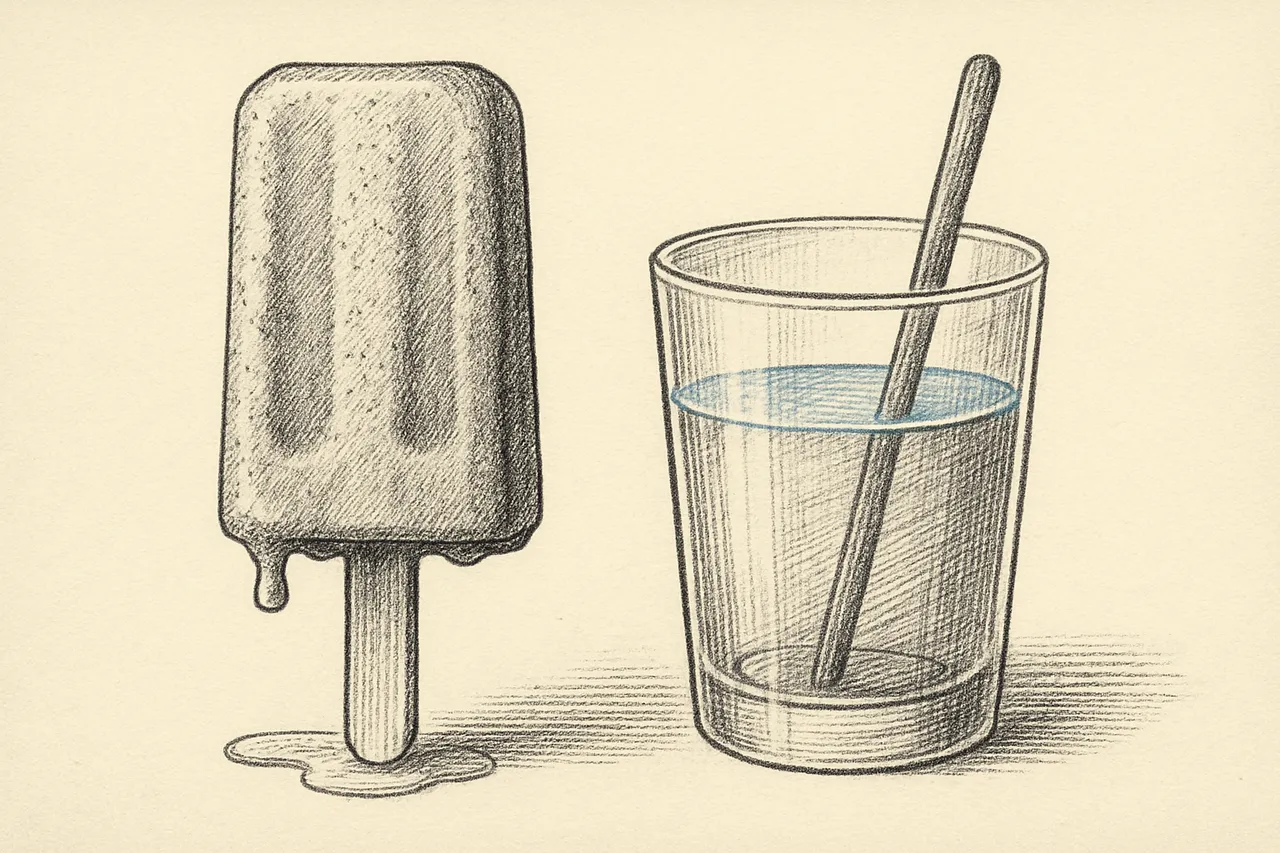
US1505592 was granted to Frank W. Epperson on August 19, 1924. The title is "Frozen Confectionery." Epperson was forty-one when he filed it. He had invented the thing when he was eleven.
The origin is the kind of story that sounds invented and appears to be true, because Epperson told it consistently for decades. In 1905, in San Francisco, he was mixing a drink of the sort children made then — flavored soda powder stirred into water — and left the cup on the back porch overnight with the wooden stirring stick still standing in it. The night was unusually cold. In the morning he found the drink frozen solid around the stick, pulled it out by the handle, and ate it.
He called it the Epsicle, a portmanteau of his own name and icicle, and made them for friends for years without doing anything commercial about it.
Eighteen years
The gap between the accident and the patent is the strange part. Epperson grew up, became a real-estate agent in Oakland, married, and had children. It was his own kids, by his account, who kept asking for "Pop's sicles" and eventually pushed him to sell them properly.
He began selling them at an amusement park at Neptune Beach in Alameda in the early 1920s, and filed his patent in 1923. The claims cover the essential thing: a frozen confection on a handle, with the handle embedded during freezing so that the whole article can be eaten without a dish or a spoon. It sounds trivial until you notice that before it, eating something frozen required sitting down with equipment.
The name became Popsicle, from the children's version, and Epperson trademarked it.
Selling it
Here the story turns familiar. Epperson ran into financial difficulty during the 1920s and, needing money, sold the rights to the Joe Lowe Company of New York. He later called it the worst decision of his life and said publicly that he had sold it for a song.
The product went on to be an enduring commercial giant — hundreds of millions of units a year at its peak, and a brand name so dominant that "popsicle" became the generic American word for any frozen pop on a stick.
There is one more twist that belongs to the era. During the Great Depression, the company introduced the twin-stick Popsicle — two sticks, a scored center, one nickel — so that two children could split a single treat. It was a Depression-era product decision that survived for decades afterward as a design quirk nobody could quite explain, long after the reason for it had passed.
See the original
The full text and figures of US1505592 are on patents.us.
Related stories
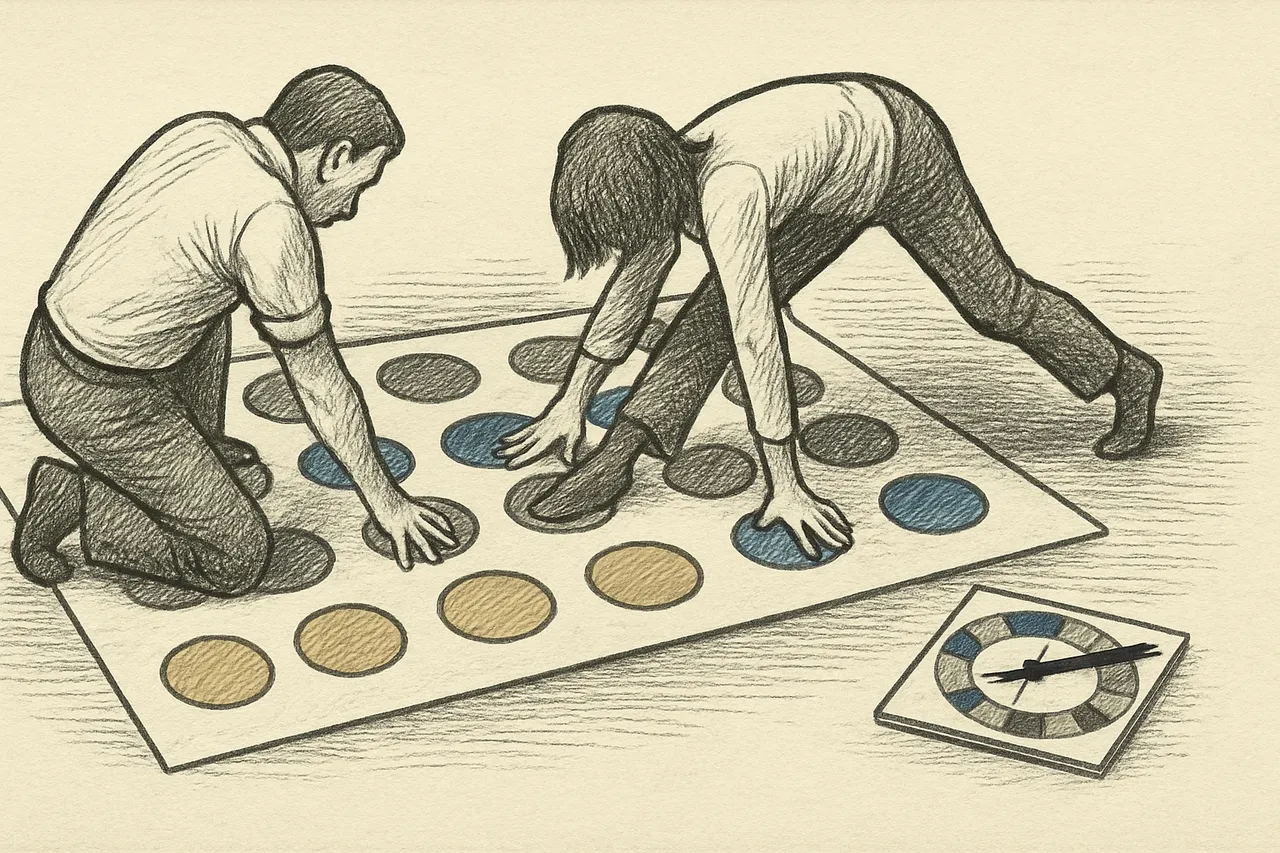
Twister's Patent Is Titled 'Apparatus for Playing a Game Wherein the Players Constitute the Game Pieces'
The patent title is the whole idea: the people are the pieces. Milton Bradley released the game in 1966, some retailers were wary of it, and critics found it a little too intimate. Then Johnny Carson played it on television with Eva Gabor, and the orders poured in.
Read the story →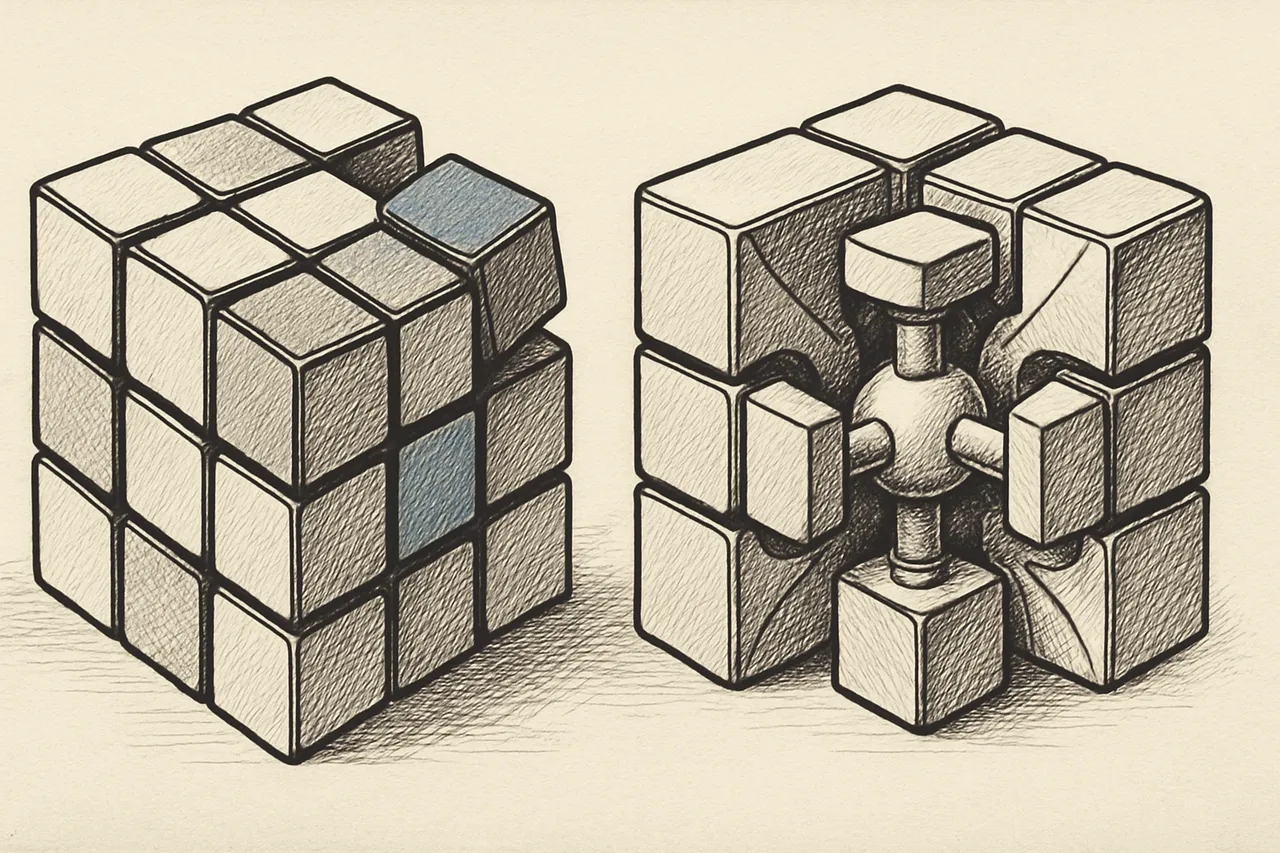
Ernő Rubik Needed About a Month to Solve His Own Cube. An American Court Later Found It Infringed an Earlier US Patent.
Rubik built the first cube in Budapest in 1974 as a way to think about three-dimensional movement. The clever part is how it holds together when most of its pieces are not attached to anything. In the United States, a chemist named Larry Nichols had patented a related puzzle in 1972, and his company sued.
Read the story →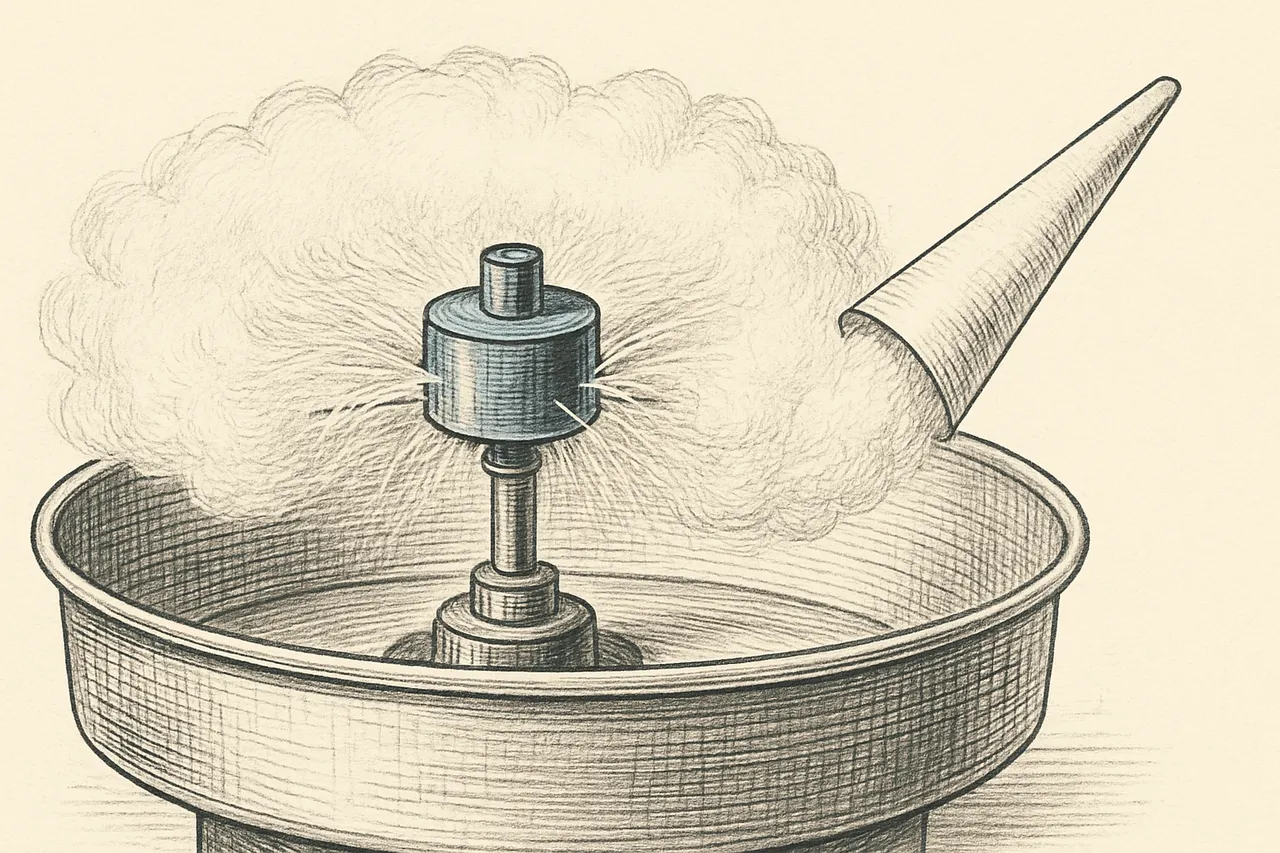
A Dentist Co-Invented the Cotton Candy Machine, and It Was Sold at the 1904 World's Fair as Fairy Floss
William Morrison was a dentist and John Wharton was a candy maker. Their machine melted sugar and flung it through tiny holes so that it cooled into threads finer than hair before it could crystallize. They filed in 1897, and at the St. Louis World's Fair it was a sensation.
Read the story →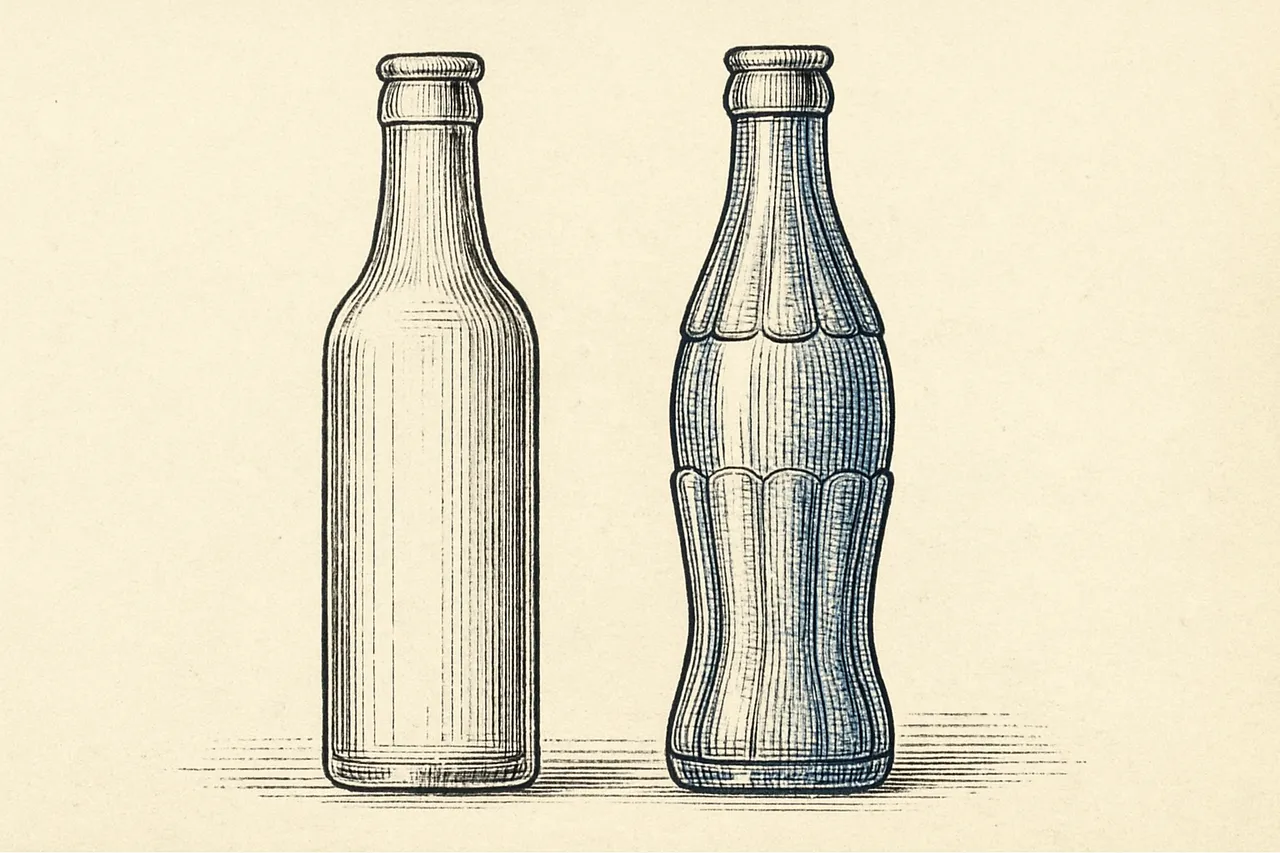
Coca-Cola Asked Glassmakers for a Bottle You Could Recognize in the Dark, or Broken on the Ground
In 1915 Coca-Cola had an imitation problem, since competitors used the same straight-sided bottles and borrowed-sounding names. It challenged glass companies to design a bottle identifiable by touch alone. The winner came from a small glassworks in Terre Haute, Indiana, and the name on the patent is not the name of the man who drew it.
Read the story →