A Factory Worker Ran Out of Coat Hooks and Bent a Piece of Wire Into a Shoulder
The story told at Timberlake Wire and Novelty is that Albert Parkhouse came in one winter morning in 1903, found every hook taken, and twisted a length of wire into two ovals and a hanger. His employer patented it.
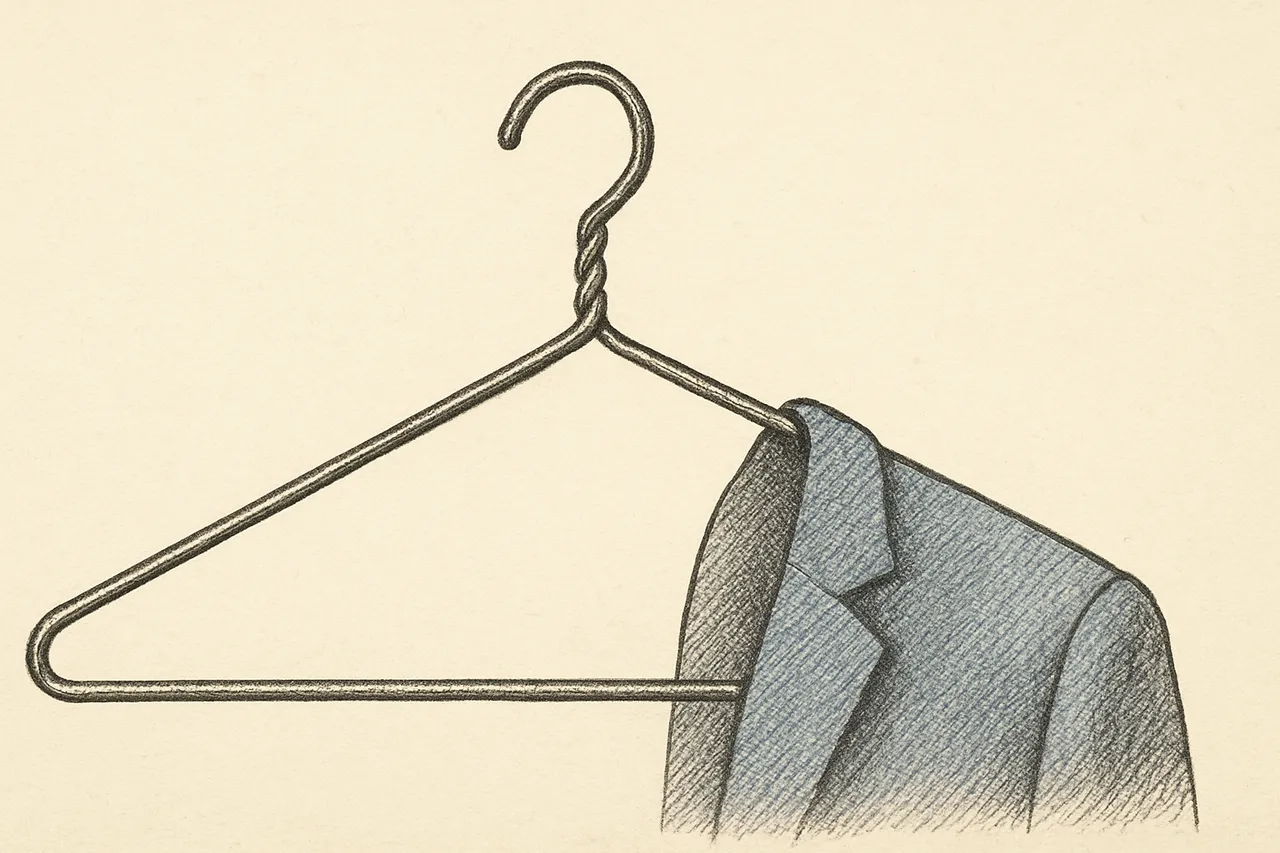
US822127 was granted to John B. Timberlake in 1906 for a garment hanger. Timberlake owned the Timberlake Wire and Novelty Company in Jackson, Michigan. The man usually credited with the idea worked for him.
The account passed down at the company is that in 1903 an employee named Albert J. Parkhouse arrived at work on a cold morning and found that every coat hook in the cloakroom was already taken. Rather than leave his coat on the floor, he picked up a piece of the wire the factory used for lampshade frames, bent it into two oblong loops that matched the slope of a coat's shoulders, and twisted the ends together into a hook.
Under the employment terms of the period, an invention made on company time with company material belonged to the company. Timberlake filed the patent. Parkhouse is generally said to have received nothing beyond his wages.
Why the shape works
A wire hanger is doing something more specific than holding cloth off the ground.
Garments deform under their own weight. A coat hung on a peg carries all of its mass at one point, which stretches the fabric there and puts a permanent dent in the shoulder. The hanger spreads that load across the full width of both shoulders, along a line that approximately matches the shape a body would make.
The slope is the part people miss. A straight bar would still concentrate stress at the outer corners. The downward angle of each side follows the natural fall of a shoulder, so the garment sits the way it was cut to sit.
The twisted neck and hook exist for a reason too. The wire is a single continuous piece, so there are no joints to fail, and the twist stiffens the neck against the torque of a heavy coat swinging on a rail.
The disputed part
Parkhouse's story is well attested locally and appears on a historical marker in Jackson, but the documentary chain is thin, and the hanger has other claimants.
O. A. North of Connecticut received a patent for a garment hanger in 1869, decades earlier. Various shoulder-shaped supports appear in the record through the late nineteenth century. Whether Parkhouse arrived at the shape independently on a cold morning or reinvented something already circulating is not something the surviving evidence settles.
What is documented is the patent, and it carries his employer's name.
The afterlife
The wire hanger became free. Dry cleaners handed them out by the billion with every order, which made them the default hanger in most American closets and created a recycling problem that laundries still deal with.
They are also genuinely bad at their job for anything heavy. Thin wire concentrates the load along a narrow edge and creases knitwear, which is why every clothing store uses molded plastic or wood instead.
See the original
The full text and figures of US822127 are on patents.us.
Related stories
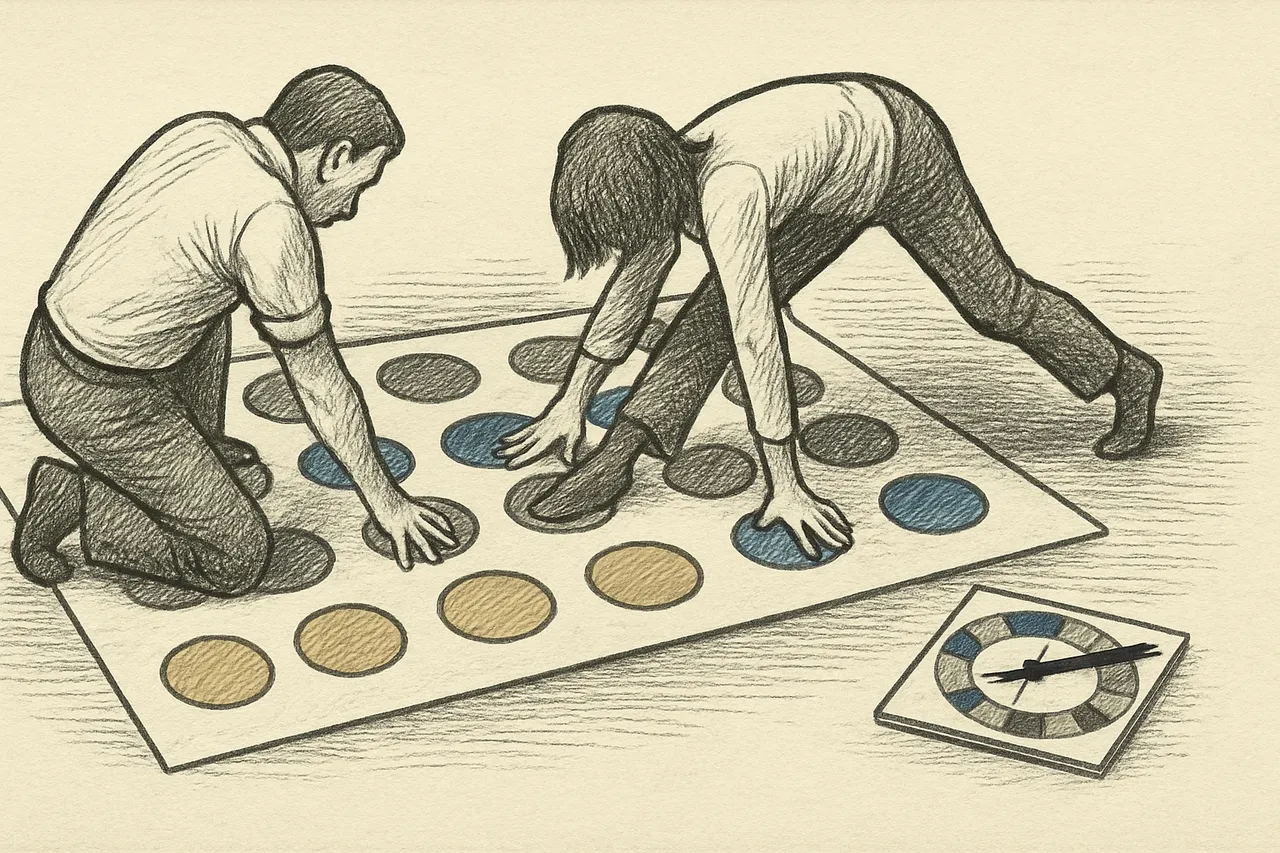
Twister's Patent Is Titled 'Apparatus for Playing a Game Wherein the Players Constitute the Game Pieces'
The patent title is the whole idea: the people are the pieces. Milton Bradley released the game in 1966, some retailers were wary of it, and critics found it a little too intimate. Then Johnny Carson played it on television with Eva Gabor, and the orders poured in.
Read the story →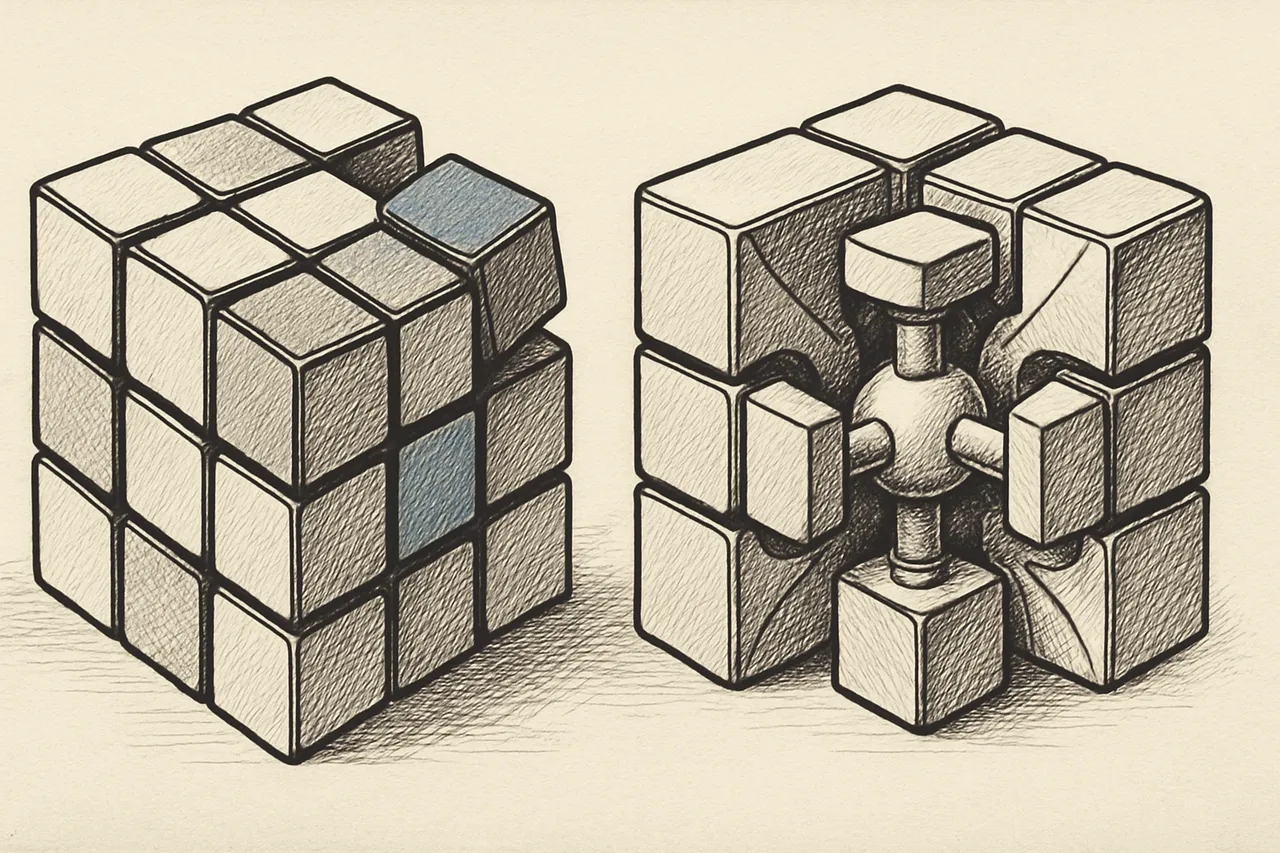
Ernő Rubik Needed About a Month to Solve His Own Cube. An American Court Later Found It Infringed an Earlier US Patent.
Rubik built the first cube in Budapest in 1974 as a way to think about three-dimensional movement. The clever part is how it holds together when most of its pieces are not attached to anything. In the United States, a chemist named Larry Nichols had patented a related puzzle in 1972, and his company sued.
Read the story →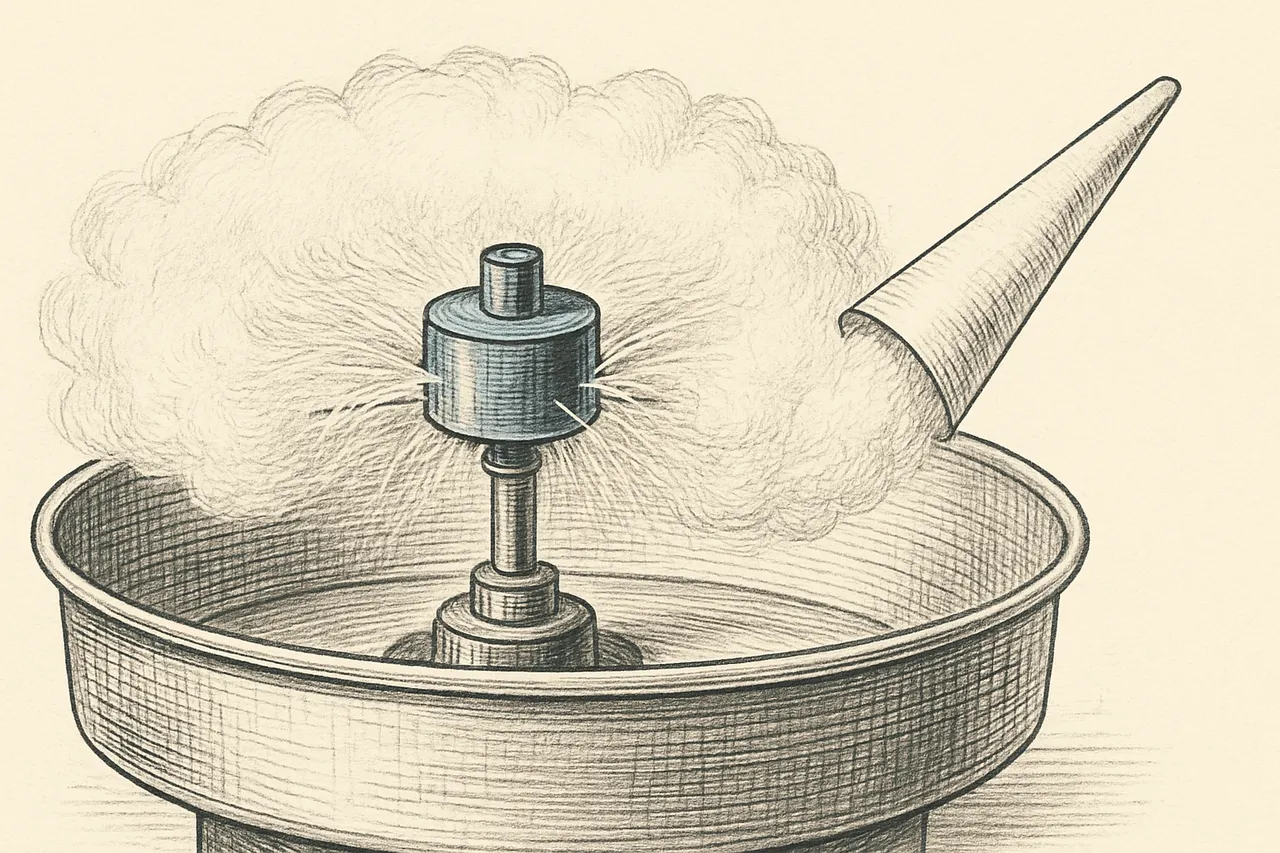
A Dentist Co-Invented the Cotton Candy Machine, and It Was Sold at the 1904 World's Fair as Fairy Floss
William Morrison was a dentist and John Wharton was a candy maker. Their machine melted sugar and flung it through tiny holes so that it cooled into threads finer than hair before it could crystallize. They filed in 1897, and at the St. Louis World's Fair it was a sensation.
Read the story →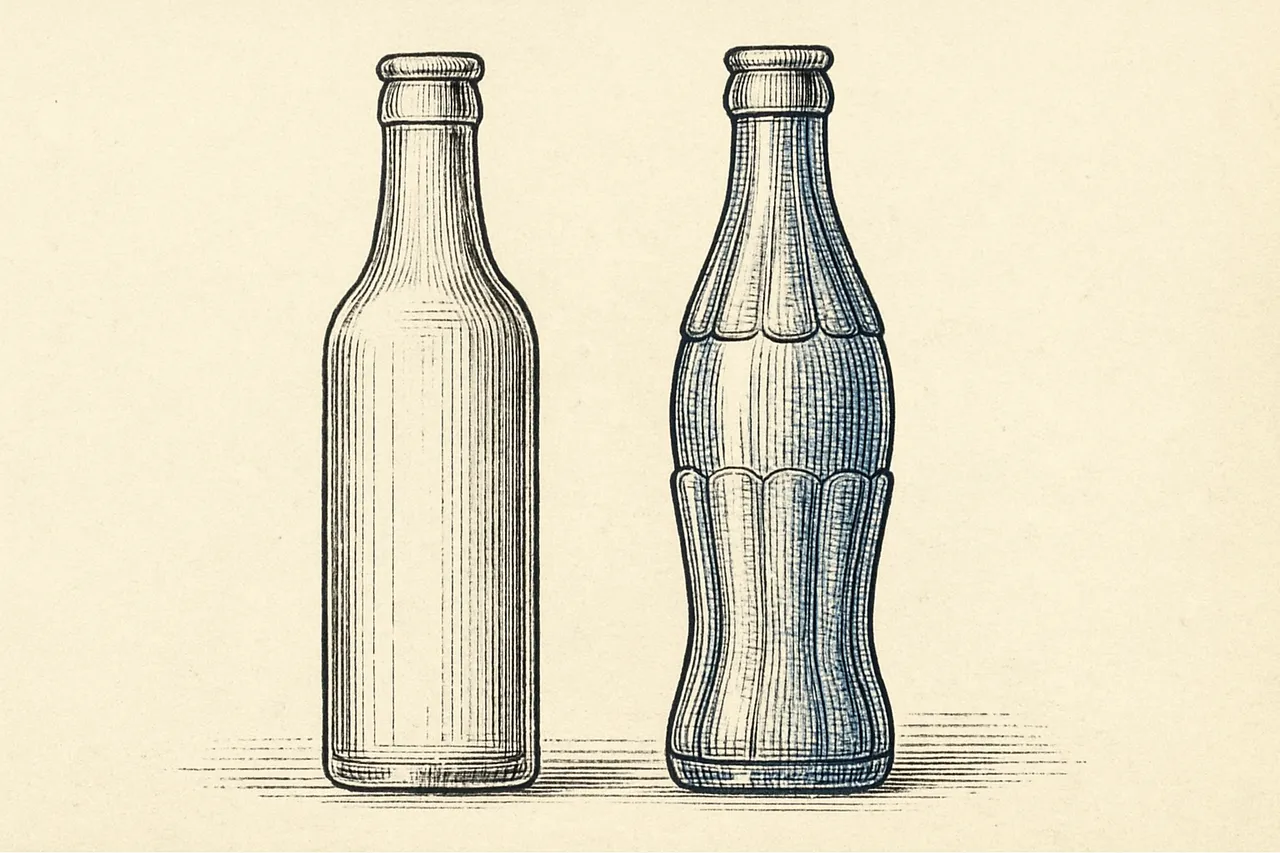
Coca-Cola Asked Glassmakers for a Bottle You Could Recognize in the Dark, or Broken on the Ground
In 1915 Coca-Cola had an imitation problem, since competitors used the same straight-sided bottles and borrowed-sounding names. It challenged glass companies to design a bottle identifiable by touch alone. The winner came from a small glassworks in Terre Haute, Indiana, and the name on the patent is not the name of the man who drew it.
Read the story →