The Band-Aid Was Invented for a Wife Who Kept Cutting Herself in the Kitchen
Josephine Dickson was a newlywed who was, by her husband's account, remarkably accident-prone with kitchen knives. Earle Dickson worked for a company that sold surgical dressings. He got tired of bandaging her one-handed and pre-made a batch.
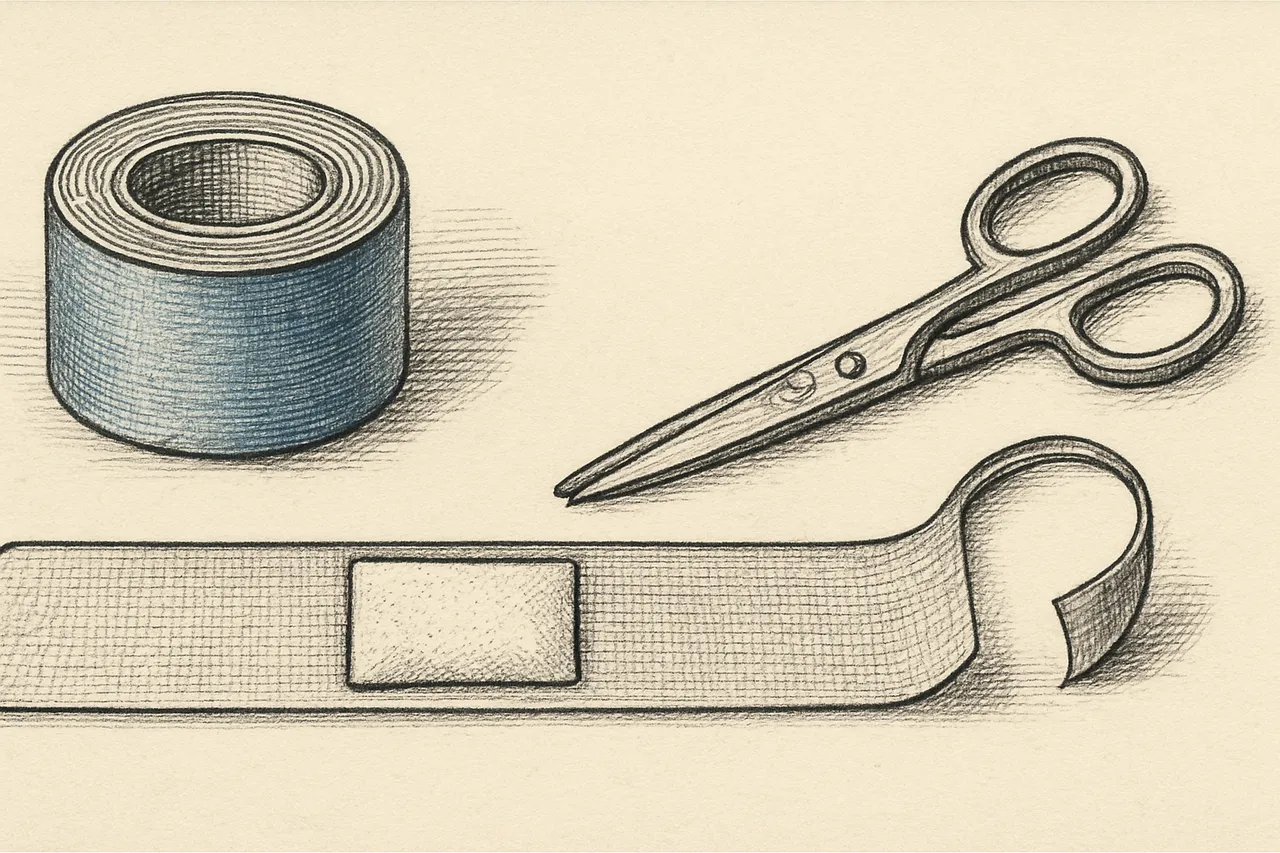
US1612267 was granted to Earle E. Dickson on December 28, 1926, and assigned to Johnson & Johnson. The title is "Adhesive Bandage." It is the Band-Aid, and it exists because Dickson's wife was extremely bad with a paring knife.
Earle Dickson was a cotton buyer at Johnson & Johnson in New Brunswick, New Jersey. In 1920 he married Josephine Knight, who was new to running a household and, by every retelling of the story including his own, cut and burned herself in the kitchen with remarkable regularity.
The bandaging technology of 1920 was not built for this. Wound care meant cutting a piece of gauze, cutting a separate piece of adhesive tape, and binding the two onto the injury — a job that took two hands, a pair of scissors, and a certain amount of patience. Josephine frequently had only one usable hand at the time, and Earle was frequently at work.
The pre-made batch
Dickson's solution was to prepare the bandages in advance. He rolled out a long strip of surgical tape, laid squares of folded gauze along it at intervals, and covered the whole thing with crinoline fabric to keep the adhesive from sticking to itself before use. His wife could then cut off a single ready-made dressing and apply it herself, one-handed, in seconds.
That is the entire invention: gauze pre-attached to tape, with a peel-away covering. It seems almost too simple to patent, and yet nobody had done it, and it changed home first aid completely.
Dickson mentioned it to colleagues. Johnson & Johnson — a company whose whole business was surgical dressings — recognized immediately what they had, and put it into production in 1921 under the name Band-Aid.
The slow start
Early sales were poor. The first Band-Aids were made by hand, sold in unwieldy eighteen-inch strips that the customer had to cut down, and the public did not really understand the product. First-year sales are usually reported at a few thousand dollars.
Two things fixed it. In 1924 the company introduced machine-made, individually wrapped bandages in the small pre-cut size we know now. And in the following decades Johnson & Johnson gave them away in enormous quantities — free to the Boy Scouts, and, during the Second World War, millions of units shipped with American forces. A generation of people learned to reach for an adhesive bandage automatically, and the product became one of the best-selling consumer health goods in history: billions of units, in essentially every medicine cabinet in the developed world.
Earle Dickson stayed at Johnson & Johnson, rose to vice president, and sat on its board until he retired. He is the rare inventor in this archive who worked for the right company at the right time and was properly rewarded for a very good small idea.
Josephine, for her part, presumably kept cooking.
See the original
The full text and figures of US1612267 are on patents.us.
Related stories
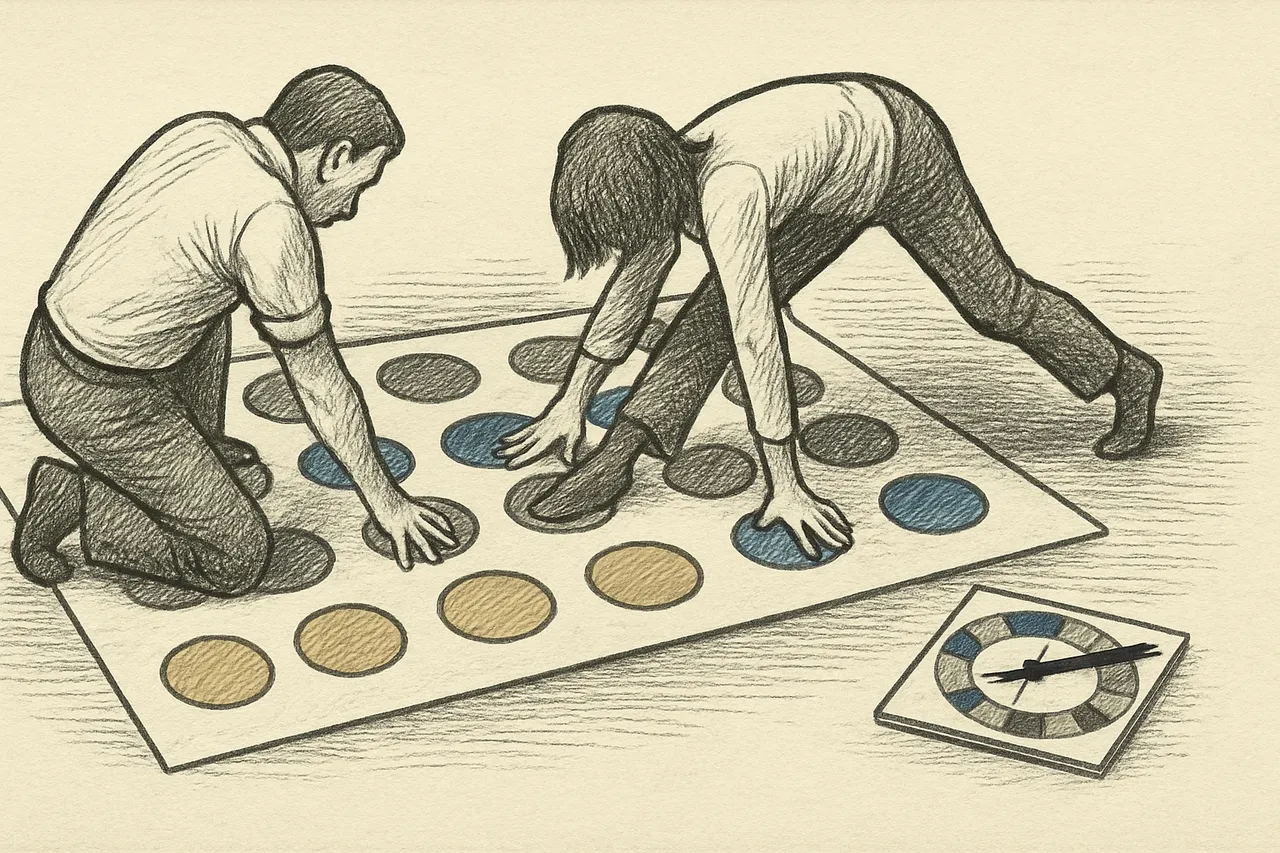
Twister's Patent Is Titled 'Apparatus for Playing a Game Wherein the Players Constitute the Game Pieces'
The patent title is the whole idea: the people are the pieces. Milton Bradley released the game in 1966, some retailers were wary of it, and critics found it a little too intimate. Then Johnny Carson played it on television with Eva Gabor, and the orders poured in.
Read the story →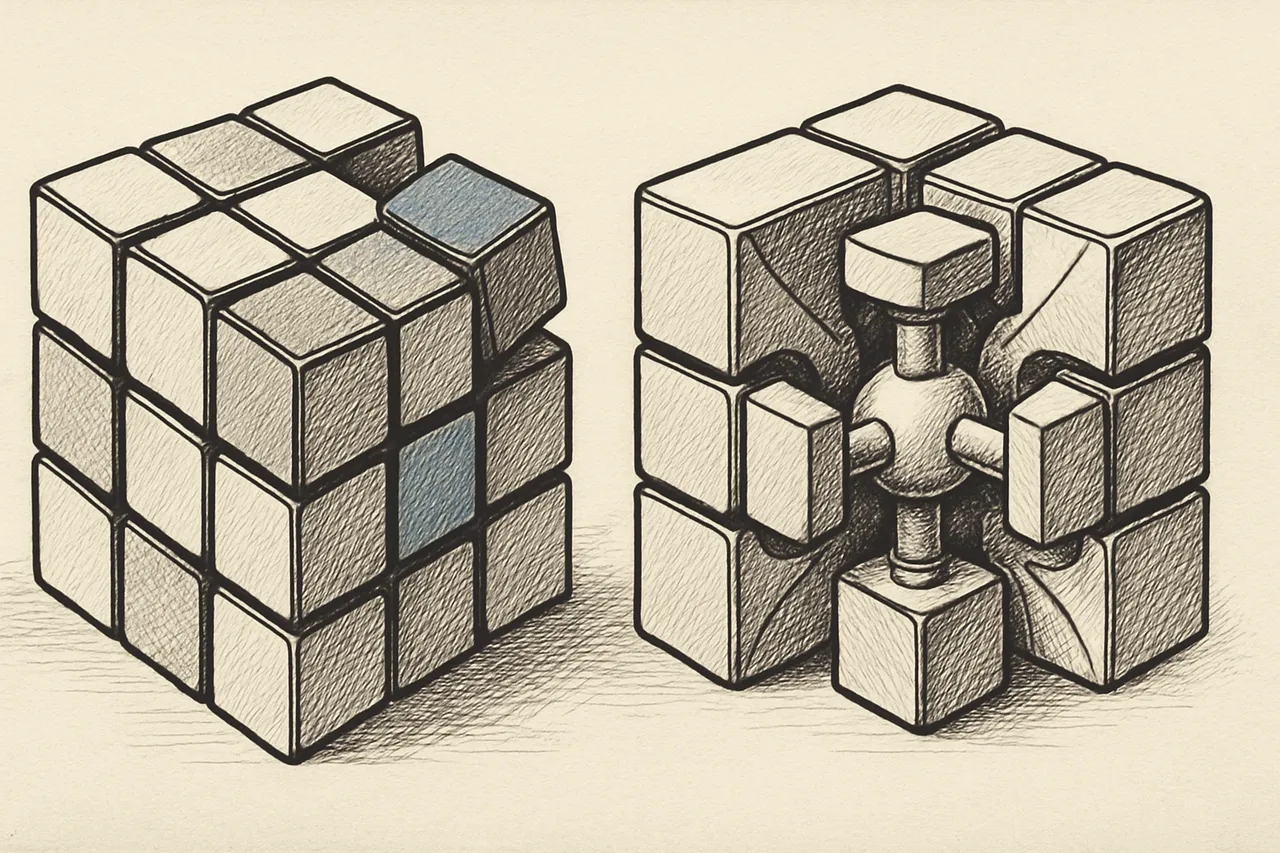
Ernő Rubik Needed About a Month to Solve His Own Cube. An American Court Later Found It Infringed an Earlier US Patent.
Rubik built the first cube in Budapest in 1974 as a way to think about three-dimensional movement. The clever part is how it holds together when most of its pieces are not attached to anything. In the United States, a chemist named Larry Nichols had patented a related puzzle in 1972, and his company sued.
Read the story →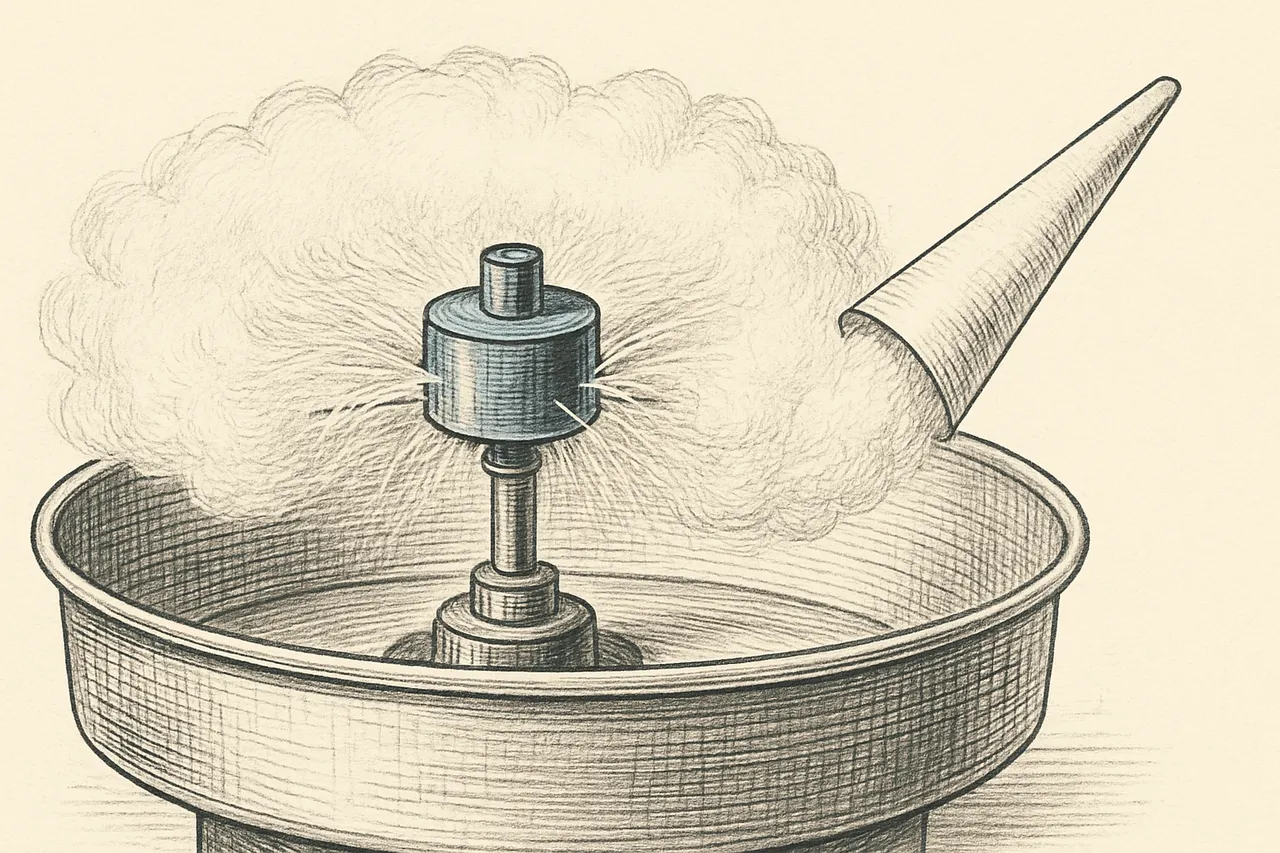
A Dentist Co-Invented the Cotton Candy Machine, and It Was Sold at the 1904 World's Fair as Fairy Floss
William Morrison was a dentist and John Wharton was a candy maker. Their machine melted sugar and flung it through tiny holes so that it cooled into threads finer than hair before it could crystallize. They filed in 1897, and at the St. Louis World's Fair it was a sensation.
Read the story →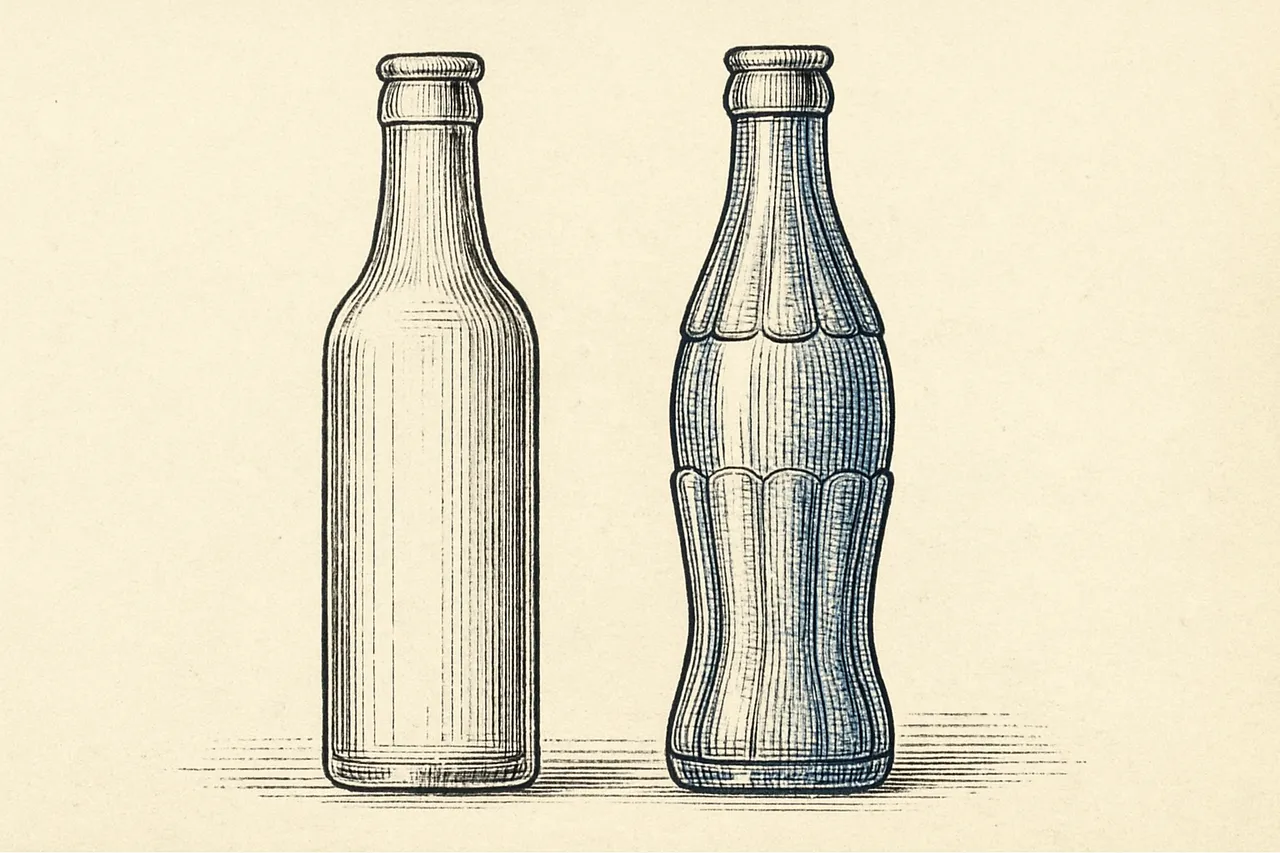
Coca-Cola Asked Glassmakers for a Bottle You Could Recognize in the Dark, or Broken on the Ground
In 1915 Coca-Cola had an imitation problem, since competitors used the same straight-sided bottles and borrowed-sounding names. It challenged glass companies to design a bottle identifiable by touch alone. The winner came from a small glassworks in Terre Haute, Indiana, and the name on the patent is not the name of the man who drew it.
Read the story →