Silly Putty Was a Wartime Attempt to Replace Rubber. It Failed at Everything Except Bouncing.
Japan captured the rubber-producing regions of Asia and the United States needed a synthetic substitute urgently. A General Electric chemist dropped boric acid into silicone oil and got a substance that stretched, snapped, bounced, and was useless for tires.
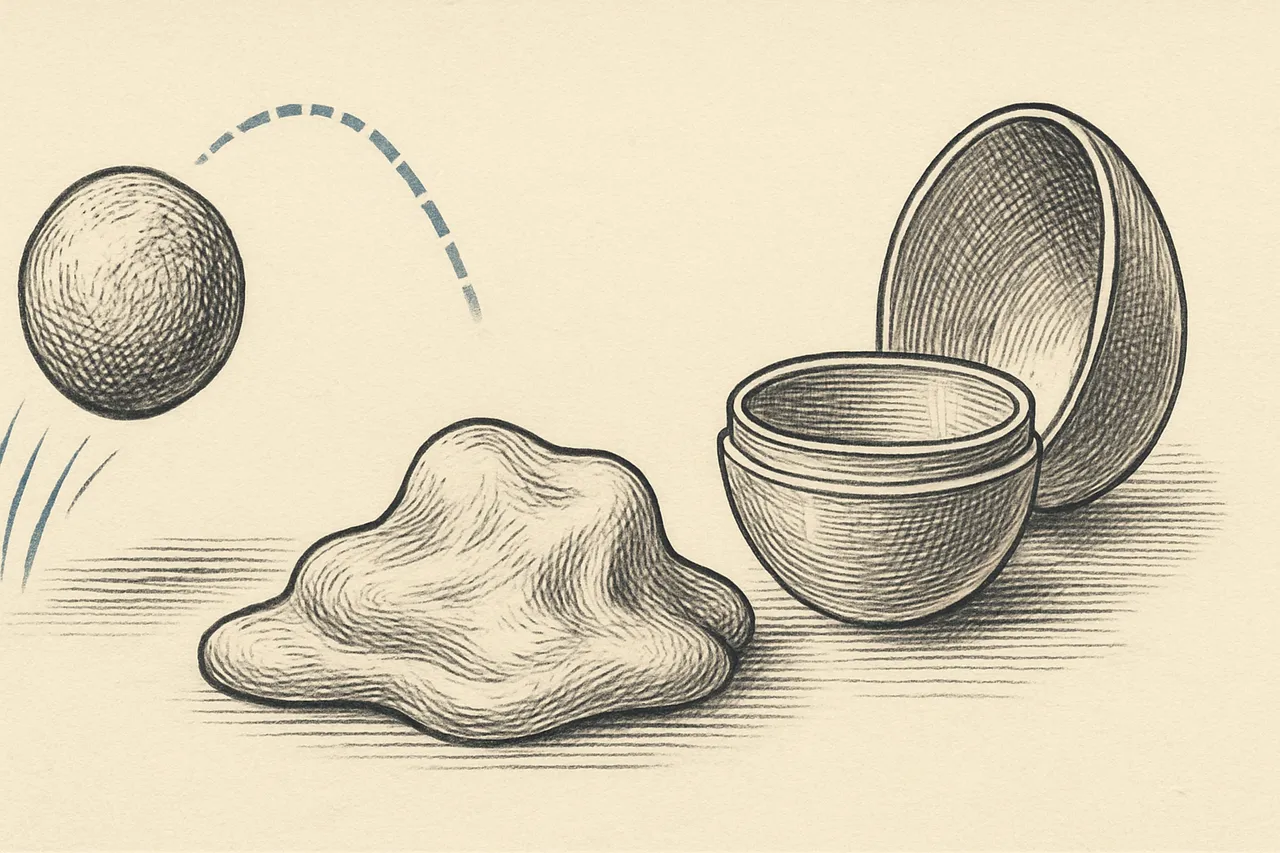
US2431878 covers a silicone-based bouncing putty developed during the Second World War, and it exists because of a genuine strategic emergency.
After Pearl Harbor, Japanese forces took control of the rubber-producing regions of Southeast Asia, cutting the Allies off from most of the world's natural rubber supply. Rubber was not a convenience; it was tires, boots, gaskets, hoses, and aircraft parts. The United States government poured funding into finding a synthetic replacement, and laboratories across the country went to work on it.
At General Electric's laboratory in New Haven, a chemist named James Wright, working on silicone chemistry, combined boric acid with silicone oil. The result was a substance nobody quite expected.
A material with contradictory manners
The putty is a non-Newtonian material, which means its behavior depends entirely on how fast you deform it.
Pull it slowly and it stretches like taffy, indefinitely. Yank it sharply and it snaps clean, like a brittle solid. Roll it into a ball and drop it and it bounces higher than rubber. Leave it sitting on a table and it slowly flows into a puddle, like a very thick liquid. Strike it with a hammer and it can shatter.
It also had a party trick that defined its early reputation: pressed onto newsprint, it lifts a mirror-image copy of the ink.
As a rubber substitute it was a complete failure. It could not hold a shape under load, it had no structural strength, and no one could find a serious industrial use for it. GE sent samples to engineers around the world asking for suggestions. Nobody had any.
Peter Hodgson
The putty circulated for several years as a laboratory curiosity and cocktail-party novelty. In 1949 a marketing consultant named Peter Hodgson saw it being passed around at a party in New Haven and recognized what everyone else had missed: the uselessness was the product. People could not stop playing with it.
He borrowed money, bought a batch, and packaged it in small plastic eggs — a decision made partly because Easter was approaching and partly because the eggs were cheap and the right size. He named it Silly Putty.
A New Yorker mention in 1950 produced a flood of orders. Silly Putty went on to sell in the hundreds of millions of units.
Where it ended up
Its afterlife is oddly distinguished. Apollo 8 astronauts reportedly carried it to secure tools in zero gravity. Physical therapists use it for hand-strength rehabilitation. Physics classrooms use it to demonstrate viscoelasticity, because there is no better five-second illustration that "solid" and "liquid" are not always distinct categories.
The wartime program that funded it did eventually produce real synthetic rubber, through entirely different chemistry. Silly Putty contributed nothing to the war effort at all — it is one of the most commercially successful research failures in American history.
See the original
The full text of US2431878 is on patents.us.
Related stories
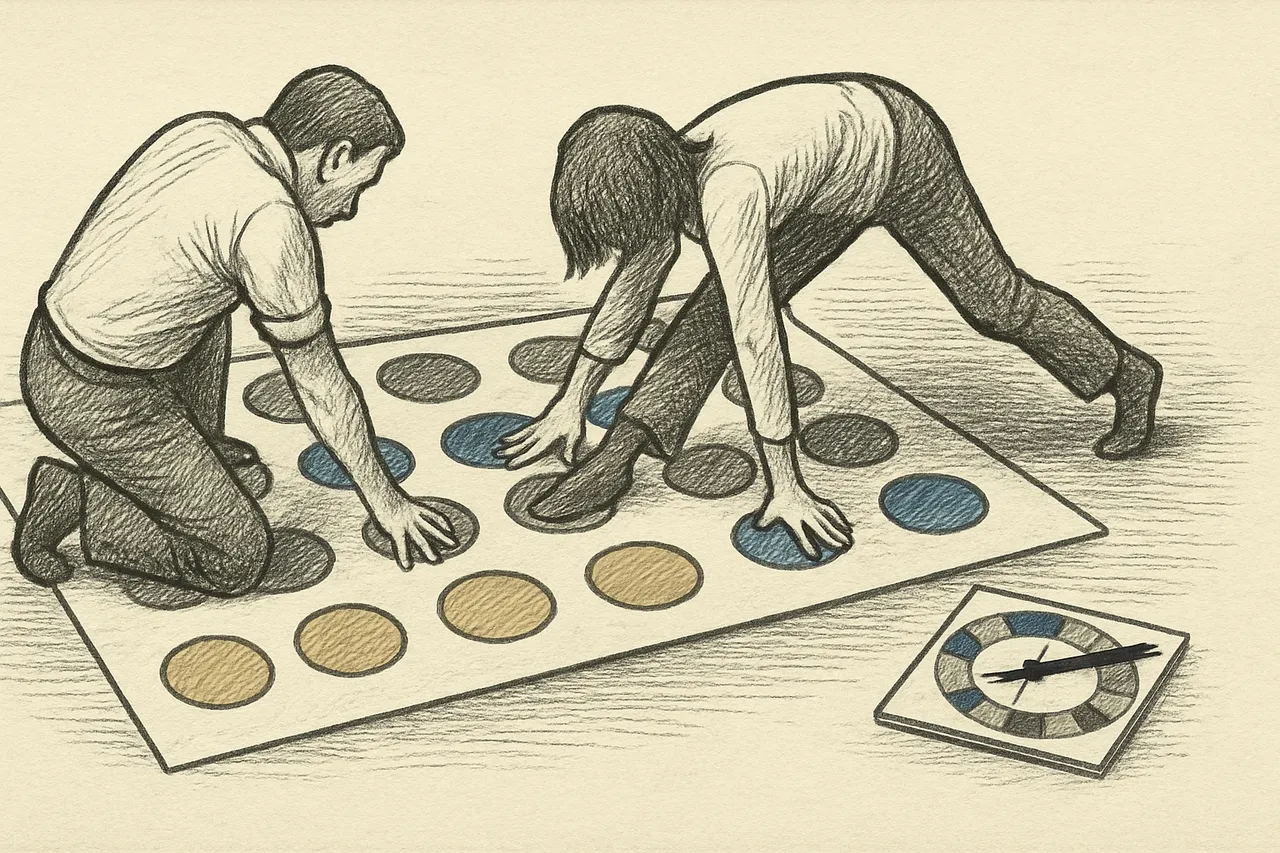
Twister's Patent Is Titled 'Apparatus for Playing a Game Wherein the Players Constitute the Game Pieces'
The patent title is the whole idea: the people are the pieces. Milton Bradley released the game in 1966, some retailers were wary of it, and critics found it a little too intimate. Then Johnny Carson played it on television with Eva Gabor, and the orders poured in.
Read the story →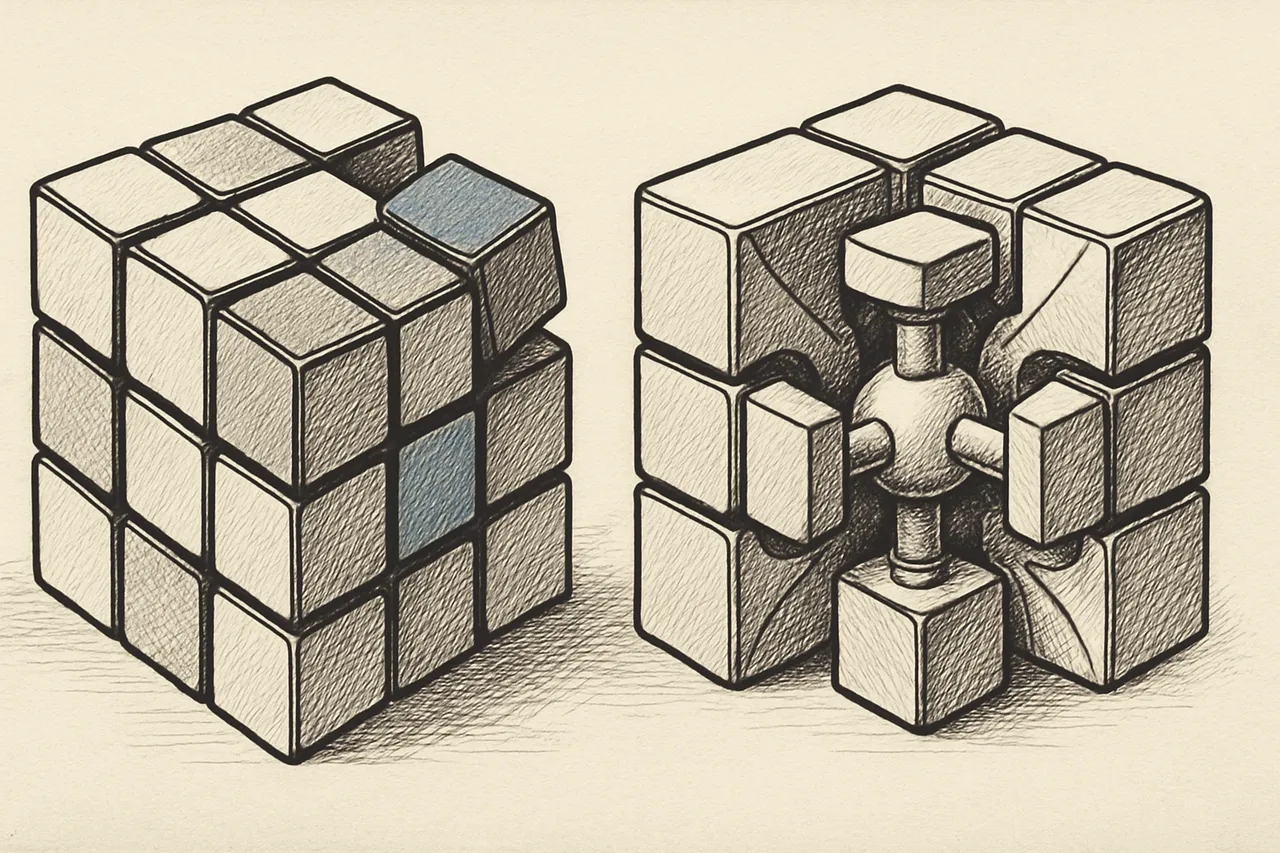
Ernő Rubik Needed About a Month to Solve His Own Cube. An American Court Later Found It Infringed an Earlier US Patent.
Rubik built the first cube in Budapest in 1974 as a way to think about three-dimensional movement. The clever part is how it holds together when most of its pieces are not attached to anything. In the United States, a chemist named Larry Nichols had patented a related puzzle in 1972, and his company sued.
Read the story →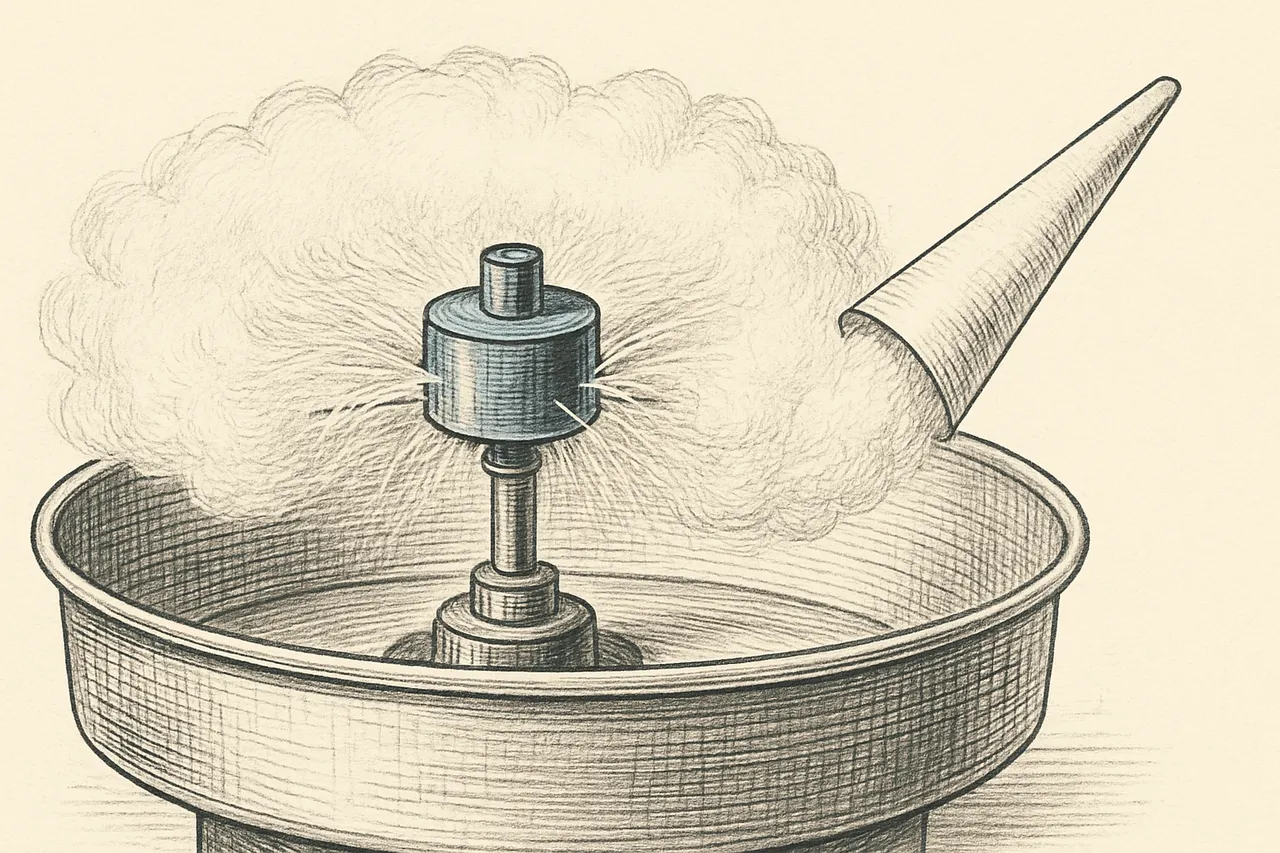
A Dentist Co-Invented the Cotton Candy Machine, and It Was Sold at the 1904 World's Fair as Fairy Floss
William Morrison was a dentist and John Wharton was a candy maker. Their machine melted sugar and flung it through tiny holes so that it cooled into threads finer than hair before it could crystallize. They filed in 1897, and at the St. Louis World's Fair it was a sensation.
Read the story →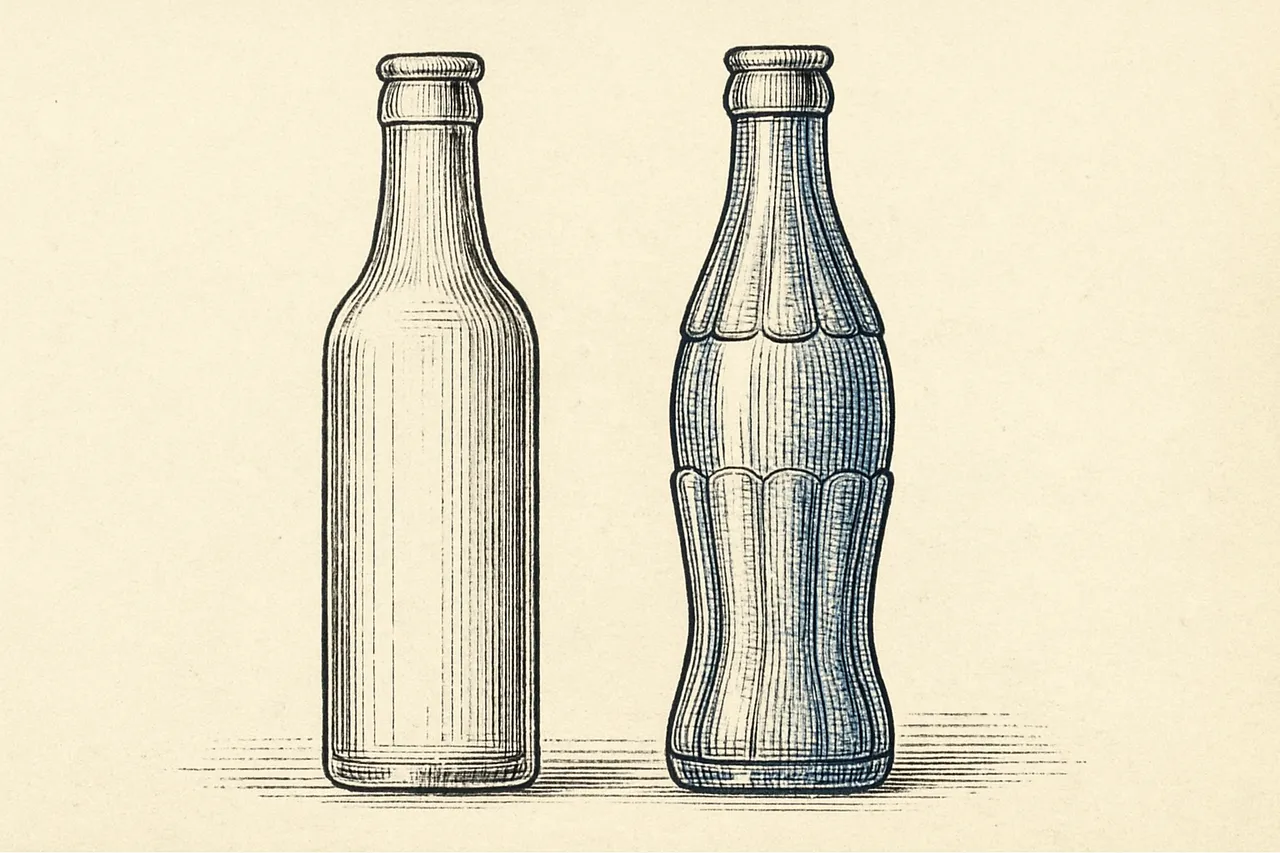
Coca-Cola Asked Glassmakers for a Bottle You Could Recognize in the Dark, or Broken on the Ground
In 1915 Coca-Cola had an imitation problem, since competitors used the same straight-sided bottles and borrowed-sounding names. It challenged glass companies to design a bottle identifiable by touch alone. The winner came from a small glassworks in Terre Haute, Indiana, and the name on the patent is not the name of the man who drew it.
Read the story →