Nobody Would Use the Shopping Cart, So He Hired Actors to Push Them Around the Store
Sylvan Goldman invented the shopping cart in 1937 and watched customers walk straight past it. Men thought it looked weak; women thought it looked like a baby carriage. So he hired models to push carts around his store and pretend to shop.
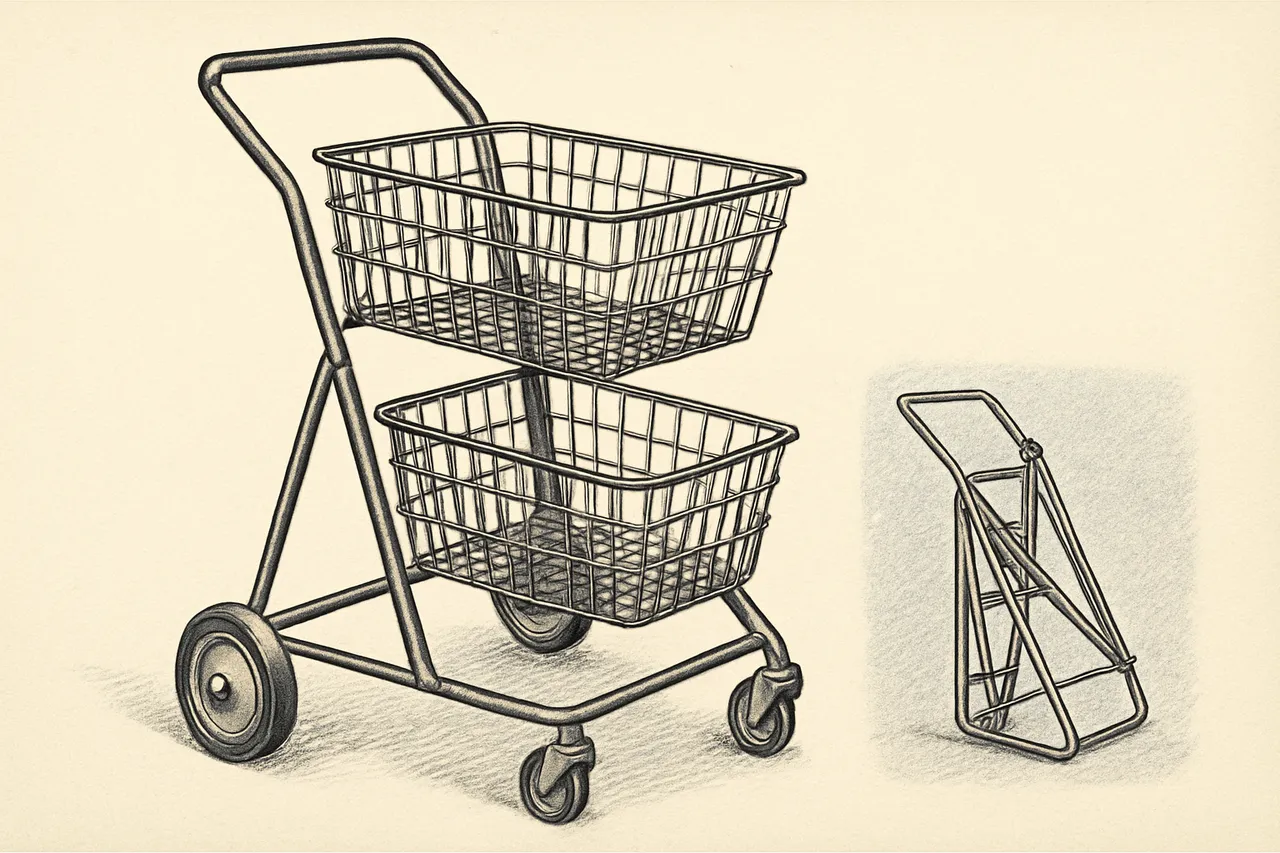
US2196914 was granted to Sylvan N. Goldman on April 9, 1940. The title is "Folding Basket Carriage for Self-Service Stores." It is the shopping cart, and the reason it exists is pure retail arithmetic: Goldman had noticed that his customers stopped shopping the moment their handbasket got heavy.
Goldman owned the Humpty Dumpty supermarket chain in Oklahoma City. Self-service grocery was still a fairly new idea — customers walked the aisles and gathered their own goods into a wire handbasket. The flaw was obvious once you looked for it. A full basket is heavy and awkward, and a shopper carrying one simply stops adding items and heads for the register. The store's ceiling on any given sale was, quite literally, the weight of what one person could carry.
The story goes that Goldman was in his office one evening in 1936 looking at a folding wooden chair, and the pieces assembled themselves: put wheels on the frame, put a basket on the seat, add a second basket below, and let the whole thing fold flat for storage. He worked with a mechanic named Fred Young to build it, and the first carts appeared in his stores in 1937.
Nobody wanted it
The customers ignored them. Completely.
Goldman later described walking his stores and watching shopper after shopper take a handbasket and walk right past a stack of perfectly good carts. When he asked why, the answers were about identity rather than utility. Men found the cart unmanly — they had arms, they could carry a basket, they weren't going to push a little wheeled trolley around. Women told him it looked entirely too much like a baby carriage, and they had pushed enough prams already.
So Goldman solved a psychological problem with theater. He hired people — men and women of varying ages — to walk his stores pushing carts and filling them, acting as ordinary shoppers. He stationed a greeter at the entrance to hand a cart to each arriving customer and demonstrate its use. Real customers, seeing that people apparently like themselves were using the thing, started taking carts.
It worked. Sales rose sharply, because the ceiling on a purchase was no longer what a person could carry.
What it built
The shopping cart did not just get adopted; it reshaped the store around itself. Aisles had to widen to accommodate two passing carts. Package sizes could grow, because a shopper no longer had to carry them. The bulk pack, the family size, the "stock up" trip — all of it depends on the cart. Modern supermarket layout, from aisle width to checkout design to the parking lot, is built around a wheeled basket.
Goldman became very wealthy — his cart-rental and manufacturing business made him one of Oklahoma's richest men — and later designed the nesting cart, the familiar telescoping design that stacks front-to-back and eliminated the folding mechanism entirely.
The invention itself was straightforward: a chair with wheels and baskets. The hard part, as it so often is, was convincing anyone to touch it.
See the original
The full text and figures of US2196914 are on patents.us.
Related stories
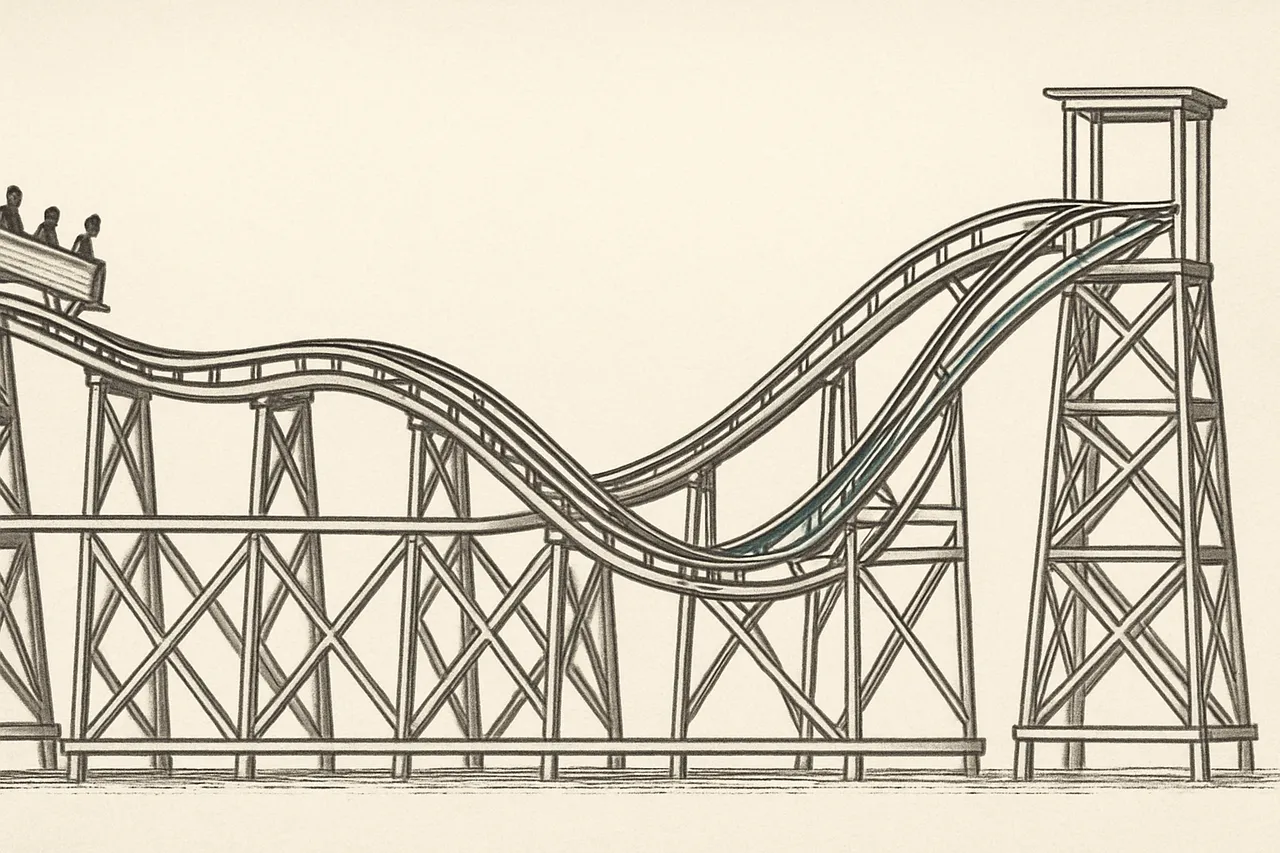
The First American Roller Coaster Ran at Six Miles an Hour, and Its Inventor Built It to Lure People Away From Saloons
LaMarcus Thompson's Switchback Railway opened at Coney Island in 1884. Riders sat sideways on a bench, coasted down a gentle undulating track, then got out while attendants pushed the car over a switch so they could coast back the other way. It cost a nickel and it made a fortune.
Read the story →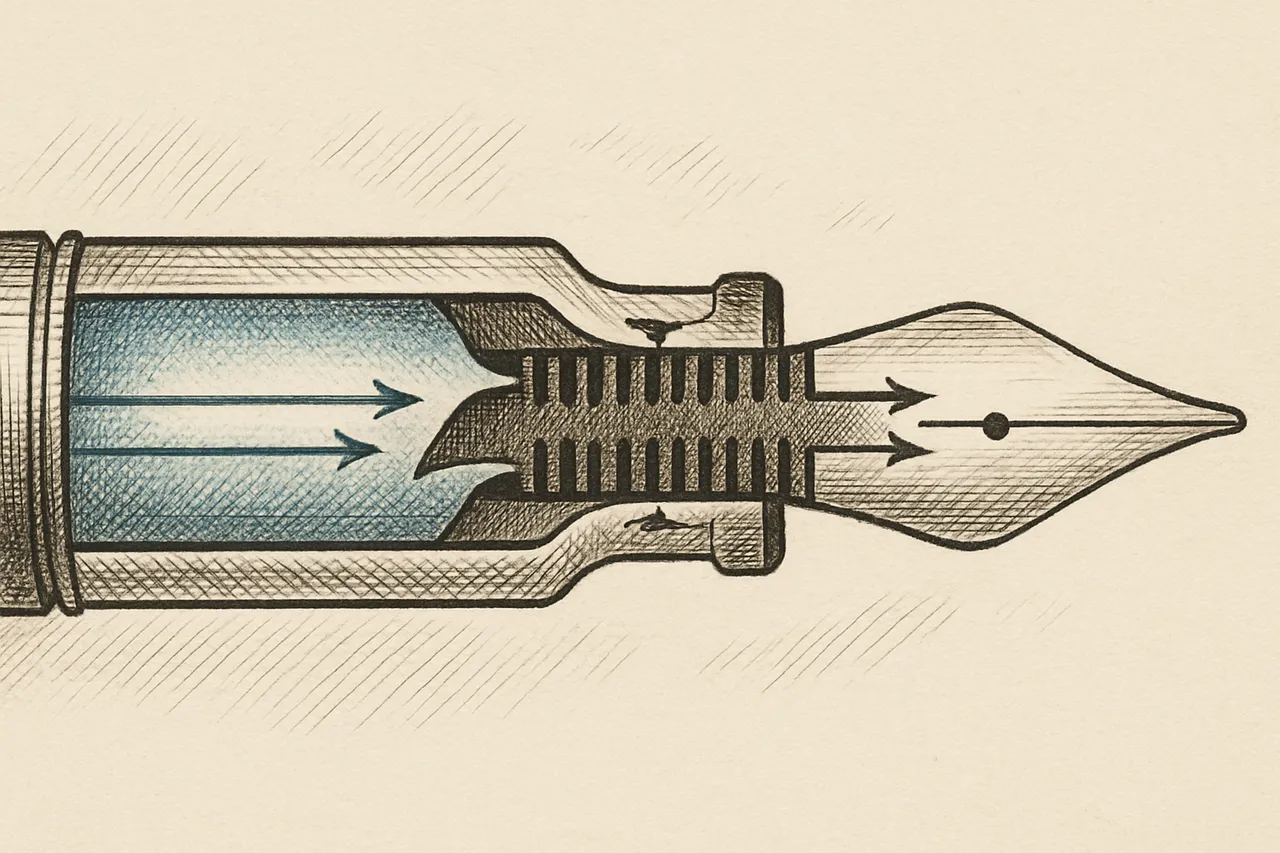
Lewis Waterman Did Not Invent the Fountain Pen. He Invented the Small Part That Stopped It Blotting.
Fountain pens existed for decades before 1884 and most of them were awful, flooding the page one moment and running dry the next. Waterman's patent fixes the reason why, and the fix is a set of narrow grooves cut into a piece of hard rubber.
Read the story →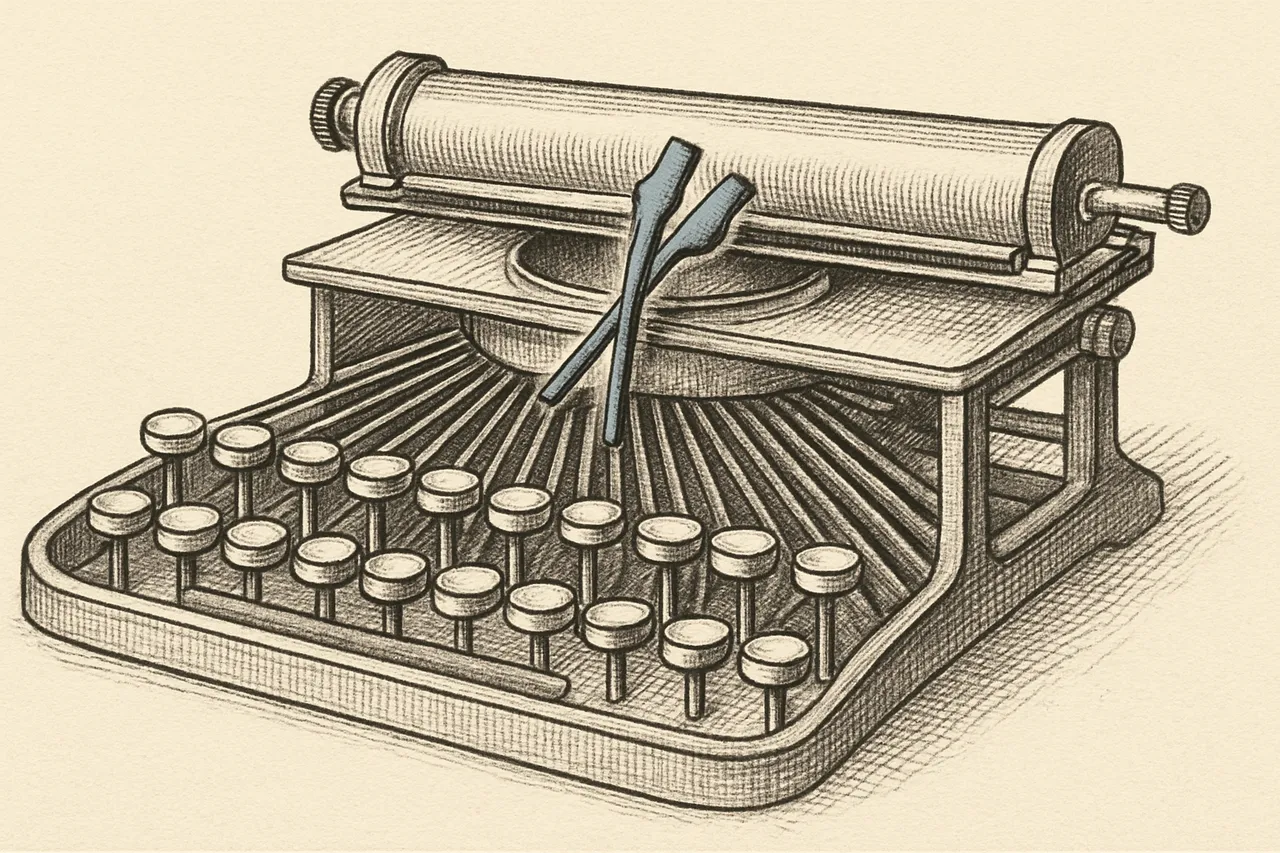
The 1868 Patent Behind the First Successful Typewriter Had Its Keys in Alphabetical Order. QWERTY Came Later, and Nobody Fully Agrees Why.
Christopher Latham Sholes and two partners patented a typewriter in Milwaukee in 1868 with keys arranged like a piano, roughly in alphabetical order. Over the next several years the letters were shuffled into QWERTY. The popular explanation for that is a distortion of a better one.
Read the story →
Frank Zamboni Spent Years Building a Machine So His Ice Rink Didn't Need a Crew of Men With Scrapers
Frank Zamboni ran an ice rink in Southern California, and resurfacing the ice by hand took several workers more than an hour. His machine did the whole job in a single pass. Its most important trick is the one people least expect: it lays down warm water, not cold.
Read the story →