Scotch Tape Exists Because 1920s Car Painters Kept Ruining Their Own Work
Two-tone paint jobs were the fashion, and the only way to mask a line was butcher paper and harsh glue that peeled the finish off when removed. A 3M lab assistant heard a body shop swearing about it and spent two years fixing it.
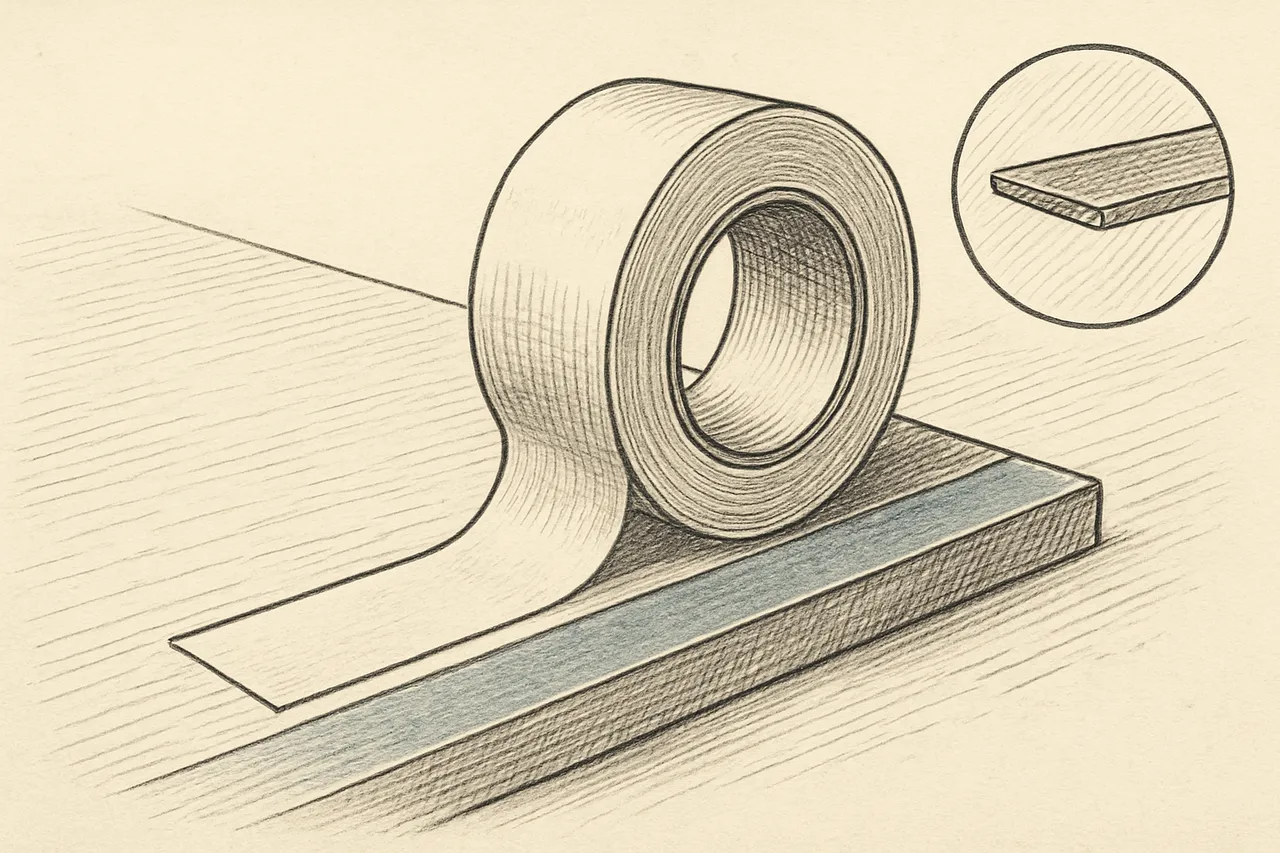
US1760820 was granted to Richard G. Drew and assigned to Minnesota Mining and Manufacturing — 3M. It covers pressure-sensitive adhesive tape, and it exists because of a fashion in automobile paint.
In the mid-1920s, two-tone cars were the thing. Producing them meant masking off one section of the body while spraying the other, and the available materials were terrible for the job: butcher paper, newspaper, and glues strong enough to hold but strong enough that peeling them off pulled the fresh paint with them. Auto body shops routinely ruined finished work at the final step.
Richard Drew was a young lab assistant at 3M — a company that at the time made sandpaper, not tape — and he was delivering sandpaper samples to a St. Paul auto shop when he heard the painters cursing over exactly this. He told them he would find something better.
Two years and a nickname
3M's leadership was not enthusiastic. Drew was told more than once to get back to improving sandpaper. He worked on the adhesive problem anyway, on and off, for about two years — a period that later became a founding story for 3M's culture of tolerating unsanctioned side projects.
The problem was a genuine balancing act. The adhesive had to grip firmly enough to seal a crisp paint line, then release cleanly without lifting the finish or leaving residue. Too weak and paint bled under the edge; too strong and you were back where you started.
Drew's masking tape reached the market in 1925. The origin of the "Scotch" name is the part everyone remembers: in an early version, to economize, adhesive was applied only along the outer edges of the backing rather than across the whole width. A frustrated painter, finding the tape falling off in the middle, is said to have told Drew to take it back to his "Scotch" bosses and tell them to put more adhesive on it — using the word as a slur about stinginess. The name stuck, and 3M eventually embraced it as a brand.
Then cellophane
Drew's second act was bigger. In 1930, working with the newly available DuPont material cellophane, he developed a transparent version of the tape. The intended market was industrial — sealing the cellophane wrappers that food producers were adopting.
What actually happened was the Great Depression. Households, unable to replace things, used the clear tape to repair everything: torn book pages, cracked toys, broken window shades, split seams, documents, currency. Sales that had been projected for factories came instead from families mending what they already owned.
Scotch Tape became one of the most recognizable consumer products in the world, and 3M — a sandpaper company — became a materials-science conglomerate largely on the strength of what a junior employee did after being told to stop.
See the original
The full text and figures of US1760820 are on patents.us.
Related stories
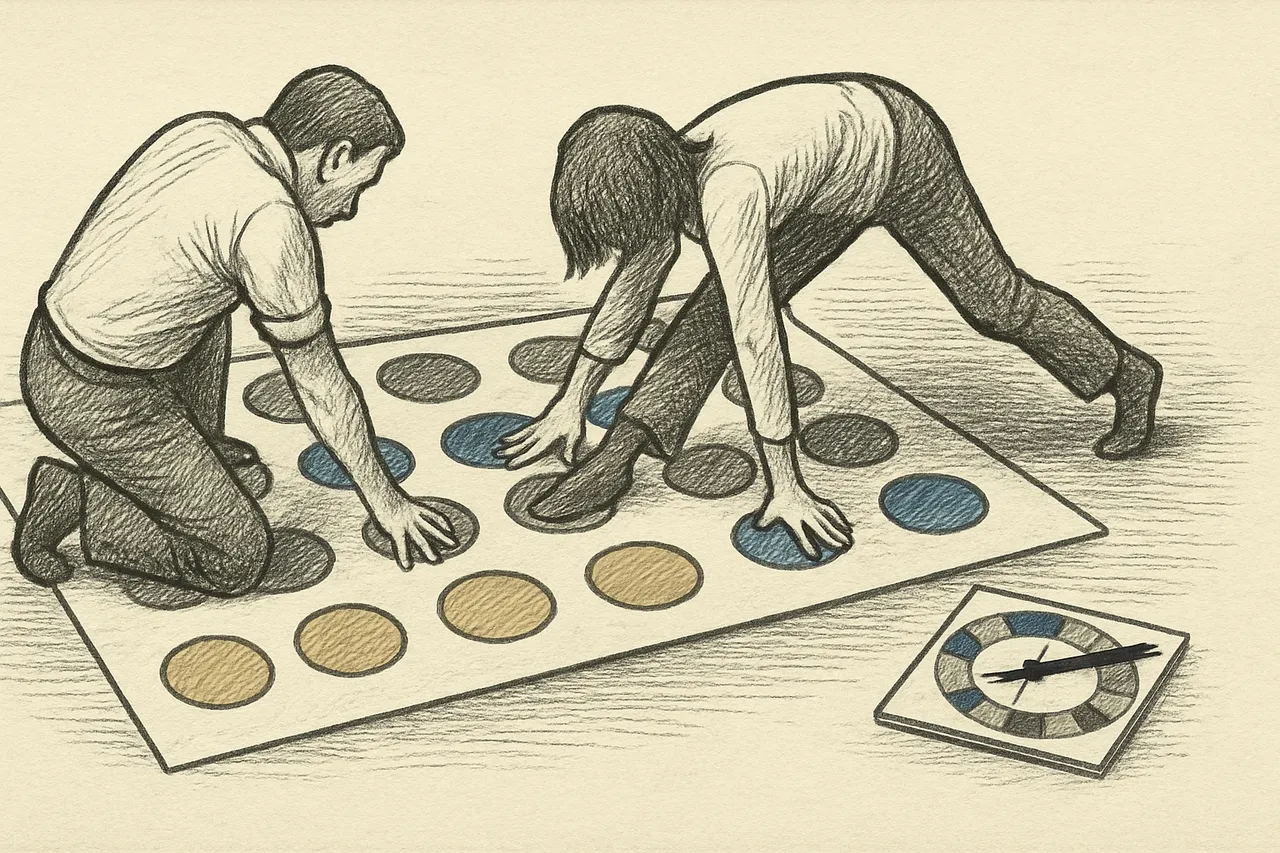
Twister's Patent Is Titled 'Apparatus for Playing a Game Wherein the Players Constitute the Game Pieces'
The patent title is the whole idea: the people are the pieces. Milton Bradley released the game in 1966, some retailers were wary of it, and critics found it a little too intimate. Then Johnny Carson played it on television with Eva Gabor, and the orders poured in.
Read the story →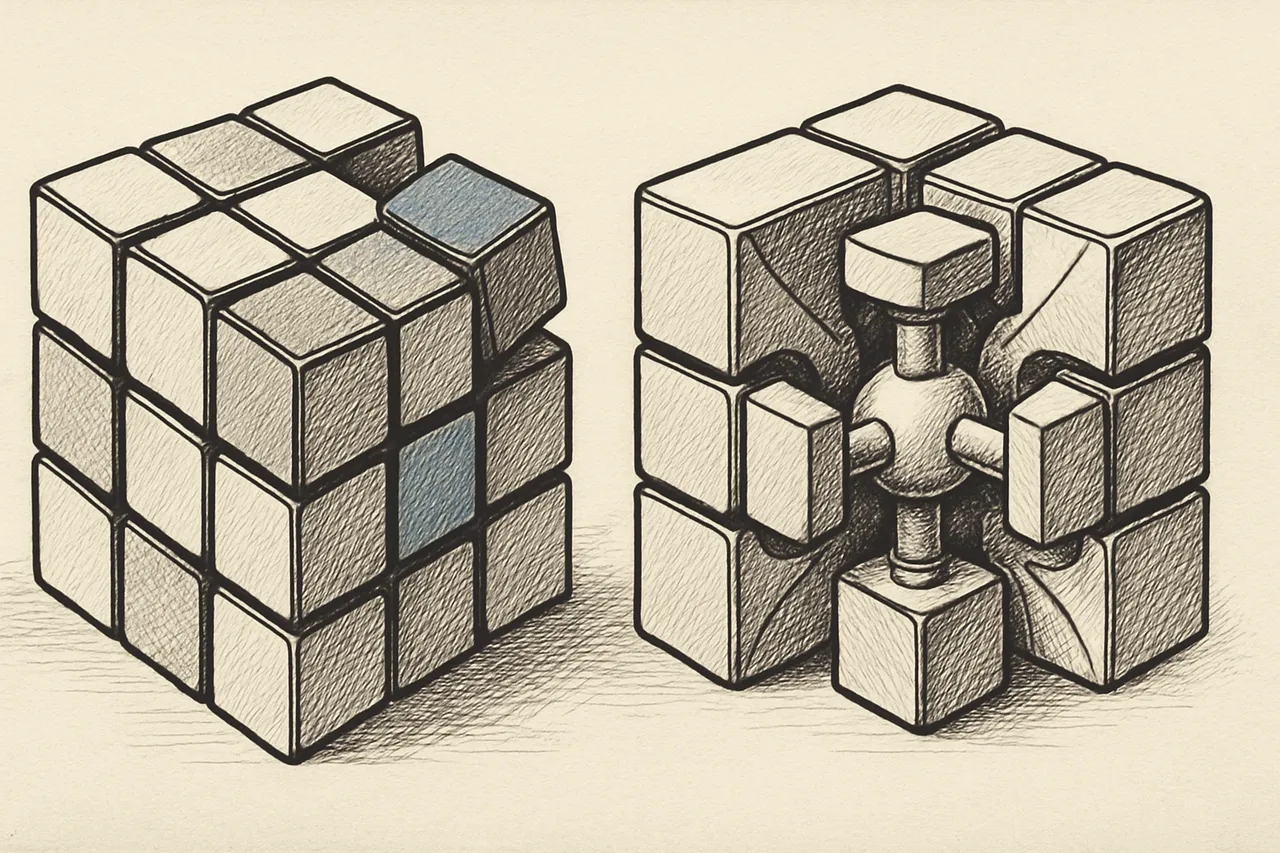
Ernő Rubik Needed About a Month to Solve His Own Cube. An American Court Later Found It Infringed an Earlier US Patent.
Rubik built the first cube in Budapest in 1974 as a way to think about three-dimensional movement. The clever part is how it holds together when most of its pieces are not attached to anything. In the United States, a chemist named Larry Nichols had patented a related puzzle in 1972, and his company sued.
Read the story →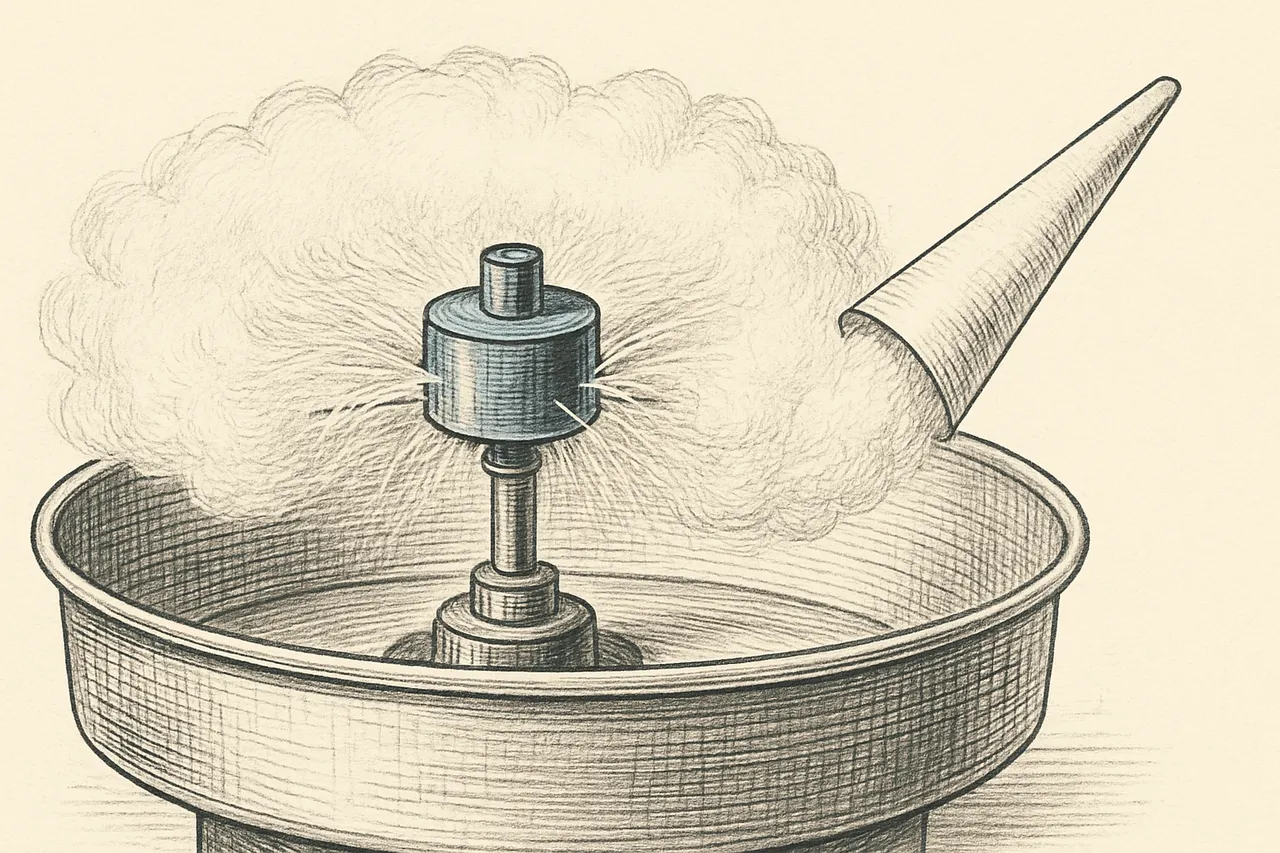
A Dentist Co-Invented the Cotton Candy Machine, and It Was Sold at the 1904 World's Fair as Fairy Floss
William Morrison was a dentist and John Wharton was a candy maker. Their machine melted sugar and flung it through tiny holes so that it cooled into threads finer than hair before it could crystallize. They filed in 1897, and at the St. Louis World's Fair it was a sensation.
Read the story →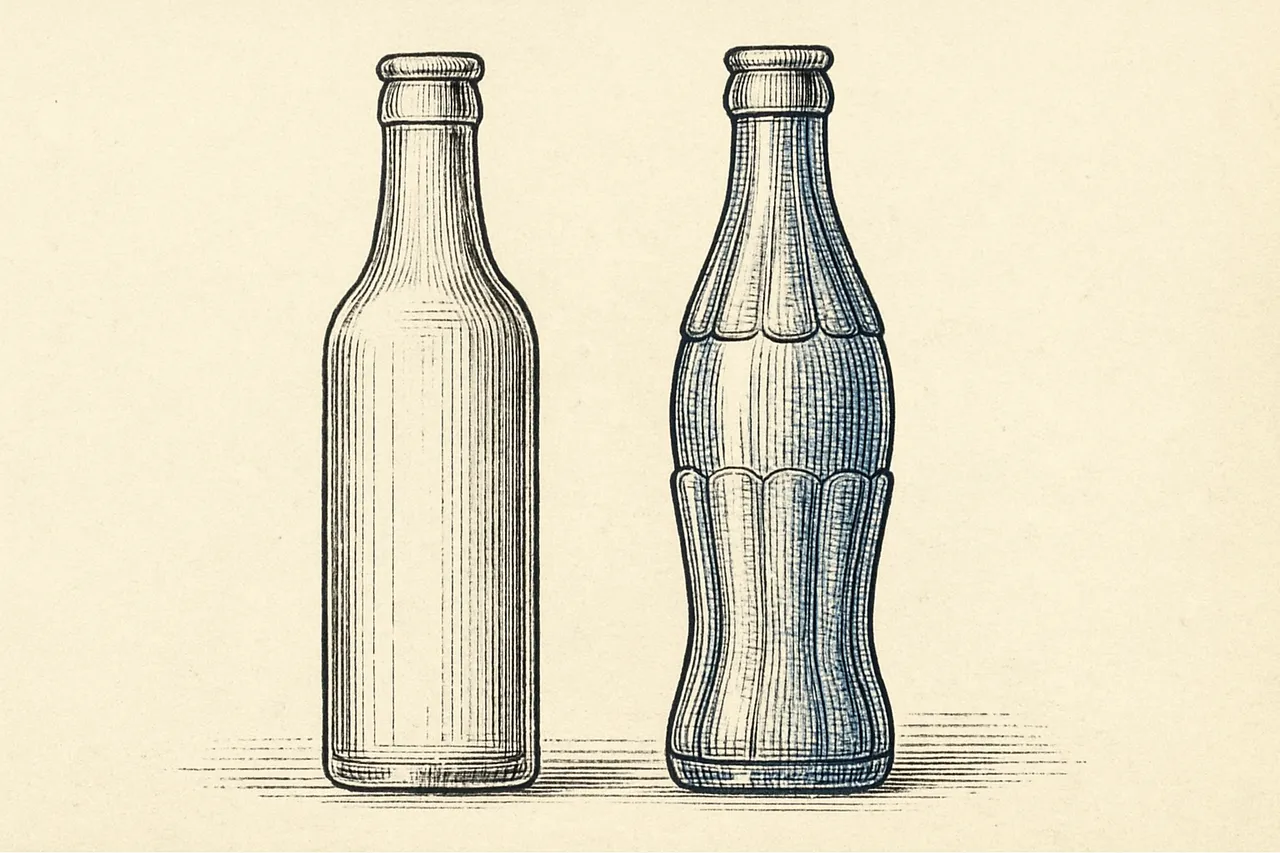
Coca-Cola Asked Glassmakers for a Bottle You Could Recognize in the Dark, or Broken on the Ground
In 1915 Coca-Cola had an imitation problem, since competitors used the same straight-sided bottles and borrowed-sounding names. It challenged glass companies to design a bottle identifiable by touch alone. The winner came from a small glassworks in Terre Haute, Indiana, and the name on the patent is not the name of the man who drew it.
Read the story →