He Invented the Intermittent Wiper, Ford Put It on Its Cars, and He Spent the Next Three Decades in Court
Robert Kearns showed Ford a wiper that paused between sweeps. Ford examined it, declined to do business, and started selling cars with intermittent wipers a few years later. Kearns represented himself for much of what followed and won, and it cost him nearly everything else.
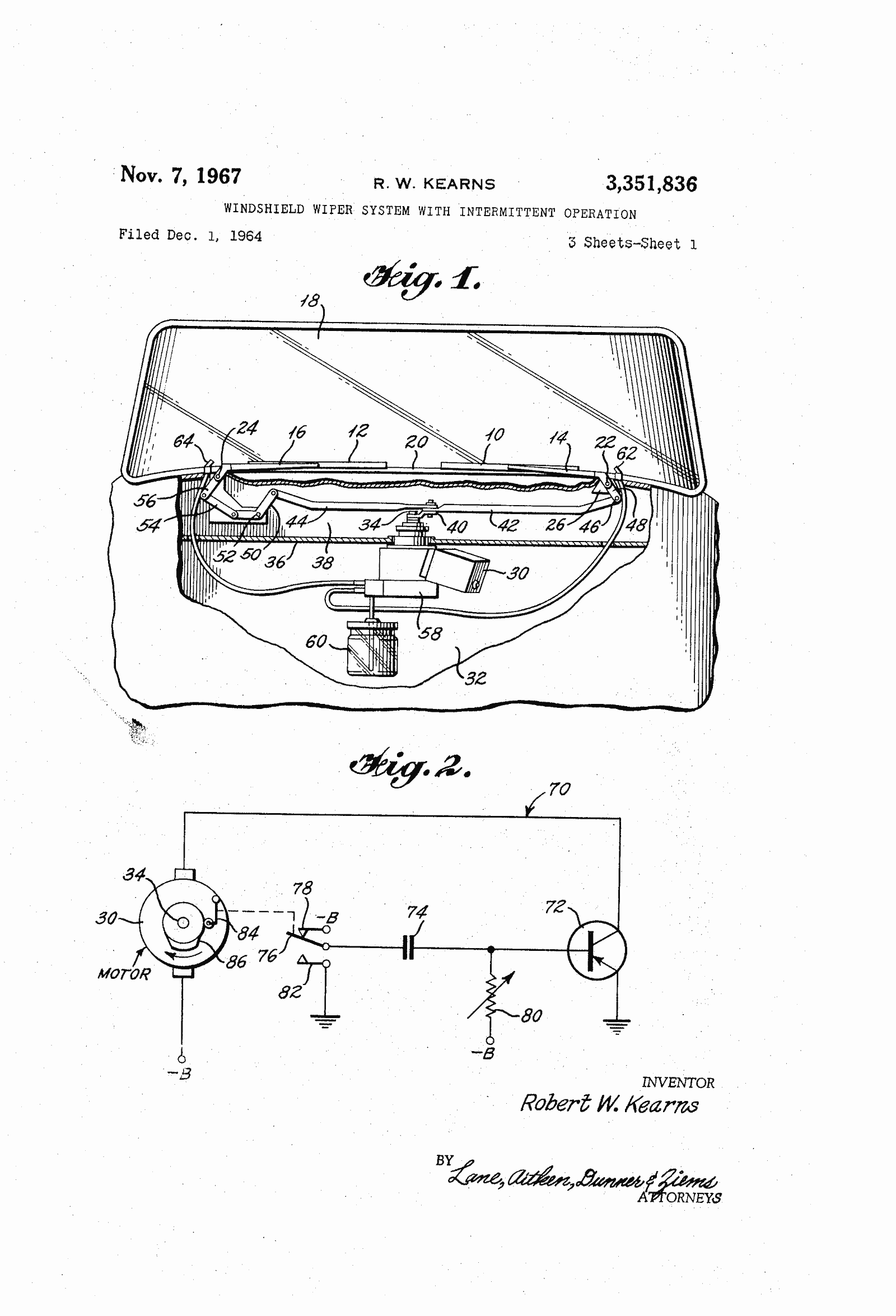
US3351836 was filed by Robert W. Kearns on December 1, 1964, under the title Windshield Wiper System With Intermittent Operation. The invention is small, the mechanism is simple, and the litigation it produced ran for roughly thirty years.
The problem nobody had solved
Windshield wipers in the early 1960s had two settings, slow and fast, and both ran continuously. In a light drizzle or a mist, that is wrong in an expensive way. The blade sweeps a nearly dry windshield, which smears, chatters, and wears the rubber out, and it puts a moving object across the driver's view far more often than conditions require.
What is wanted in light rain is a wipe every few seconds, with a pause in between. No production car offered that.
Kearns was an engineering professor at Wayne State University in Detroit. The origin usually given is that he had been blinded in one eye years earlier by a champagne cork on his wedding night, which made him unusually attentive to what a wiper does to vision, and that a drive through light rain crystallized the idea.
Why he compared it to an eye
The insight Kearns emphasized is that the human eye does not stay open continuously either. It blinks, then stays clear for an interval, then blinks again. A wiper should work the same way, and the useful part is the pause, not the sweep.
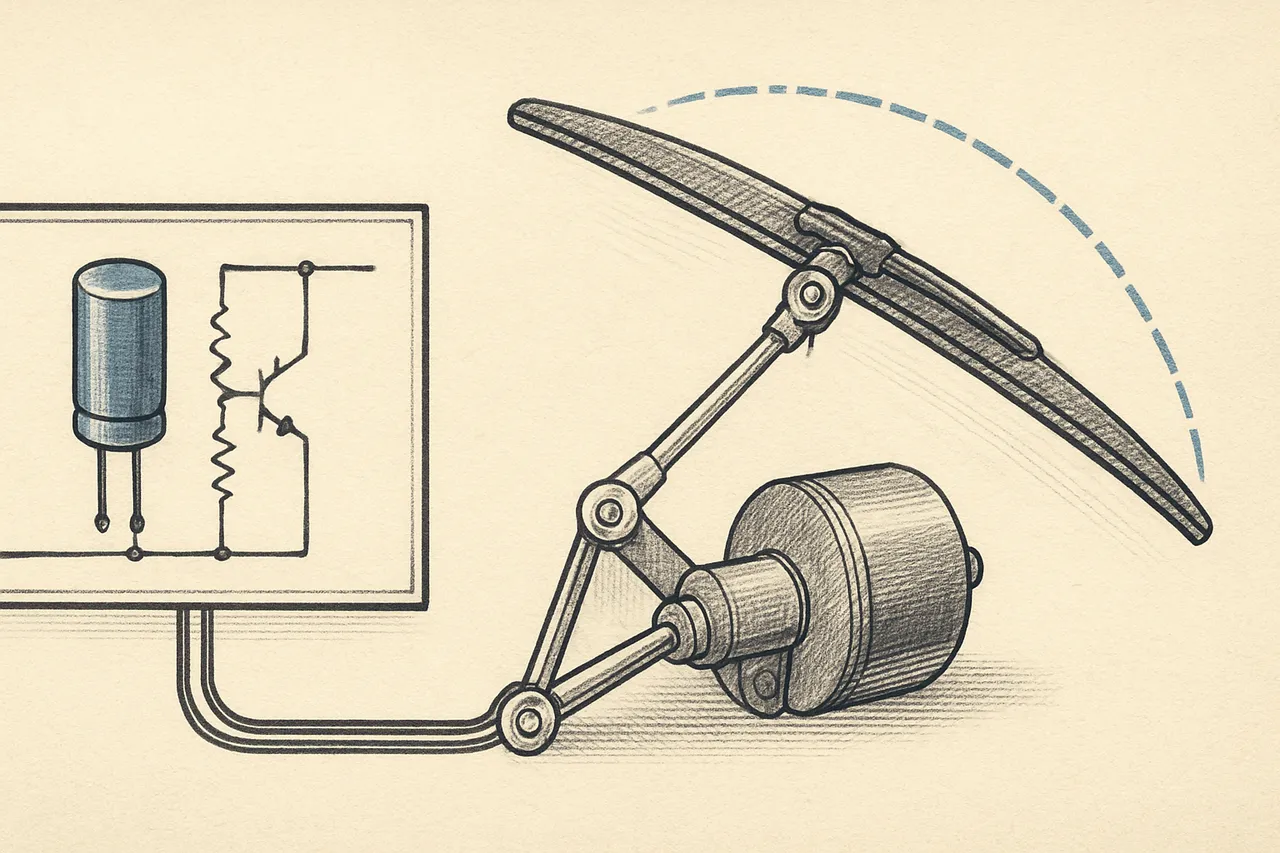
The mechanism to accomplish this was, by the standards of what came before, almost trivial. A capacitor charges through a resistor. When the charge reaches a threshold, it triggers the wiper motor to run one cycle, then the capacitor begins charging again. Varying the resistance varies the delay, which is the dial on the stalk.
There was no new physics in it. The components were all ordinary, and that ordinariness became central to the legal argument later.
Showing it to Ford
Kearns built a working unit, installed it on his own car, and demonstrated it to Ford in the mid 1960s. Ford engineers examined the system in detail. Discussions continued for a period and then ended without an agreement.
Ford began offering intermittent wipers on its cars in 1969. Other manufacturers followed. Kearns had a patent and no arrangement with anyone.
He suffered a serious mental health crisis in the following years, which he and his family spoke about publicly, and which is part of the honest telling of this story.
The argument that failed
Kearns sued Ford in 1978, and later Chrysler and others.
The manufacturers' central defense was obviousness. Every component in Kearns' circuit was already well known. A capacitor, a resistor, a transistor, a wiper motor. Nothing in the box had been invented by him. If a device is merely an assembly of existing parts that a competent engineer would arrive at, it is not patentable.
The response, which prevailed, is that the parts being individually known is not the test. The question is whether the specific combination, doing this specific thing, was obvious at the time to a person skilled in the art. It was not, demonstrably, because an entire industry of well-resourced automotive engineers had been building wipers for decades and none of them had built this.
Juries found Kearns' patents valid and infringed. Ford settled for about $10.2 million in 1990. He won roughly $18.7 million from Chrysler, upheld on appeal, with the Supreme Court declining to hear it in 1995.
What it cost
He represented himself for much of the litigation, having fallen out with his own lawyers, and the fight consumed the rest of his working life. His marriage ended. His children were drawn into the case as staff. He turned down settlement offers that were substantial because they did not include an admission that the invention was his, which was the thing he actually wanted.
He never got the manufacturing business he originally hoped for, which was to build the units himself and supply them, rather than license the idea.
The story was filmed as Flash of Genius in 2008. Kearns died in 2005.
The device is on every car sold. It is worth being clear that he won, comprehensively, against two of the largest manufacturers in the world, and that winning took thirty years and most of what he had.
The wiper Kearns improved on had a difficult history of its own. It was patented in 1903 by Mary Anderson, who could not find a buyer for it.
See the original
The full text and figures of US3351836 are on Google Patents.
Related stories
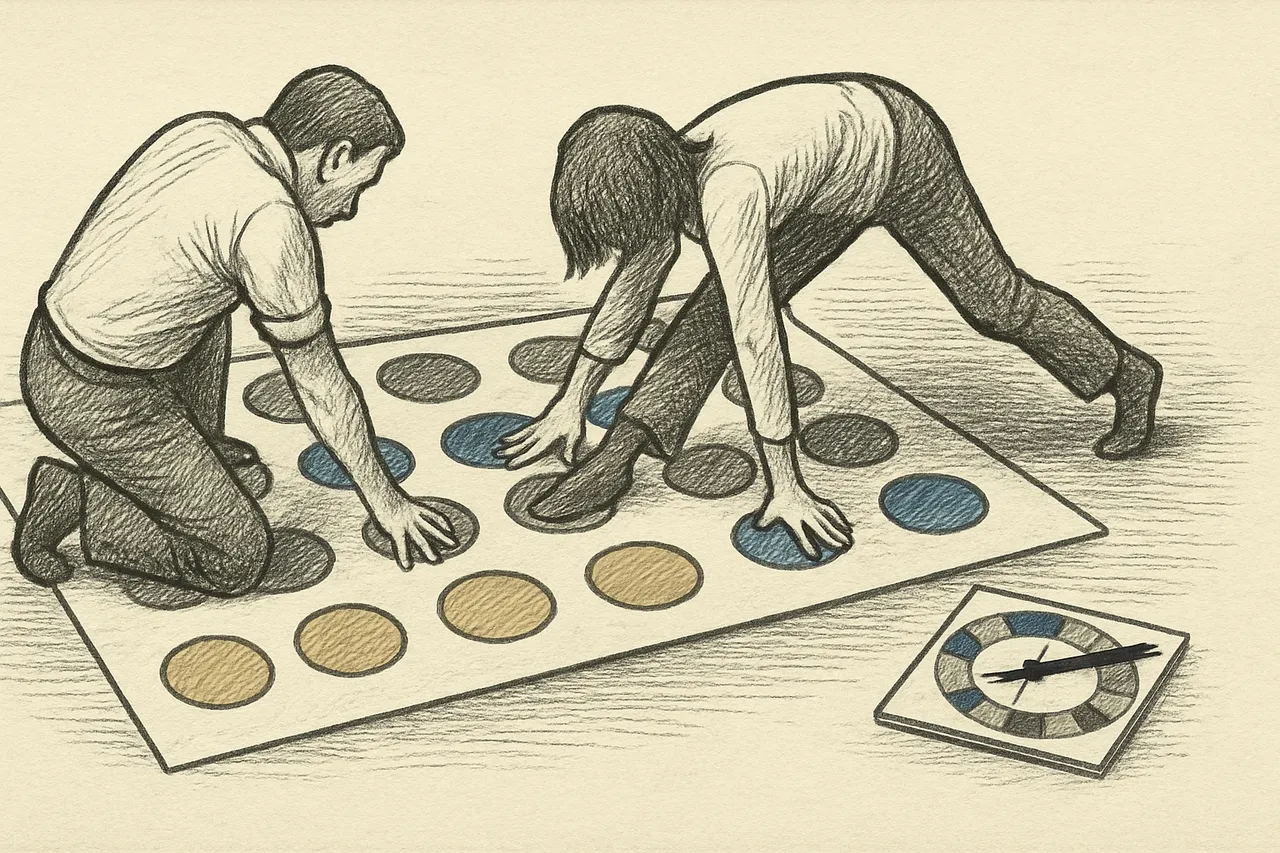
Twister's Patent Is Titled 'Apparatus for Playing a Game Wherein the Players Constitute the Game Pieces'
The patent title is the whole idea: the people are the pieces. Milton Bradley released the game in 1966, some retailers were wary of it, and critics found it a little too intimate. Then Johnny Carson played it on television with Eva Gabor, and the orders poured in.
Read the story →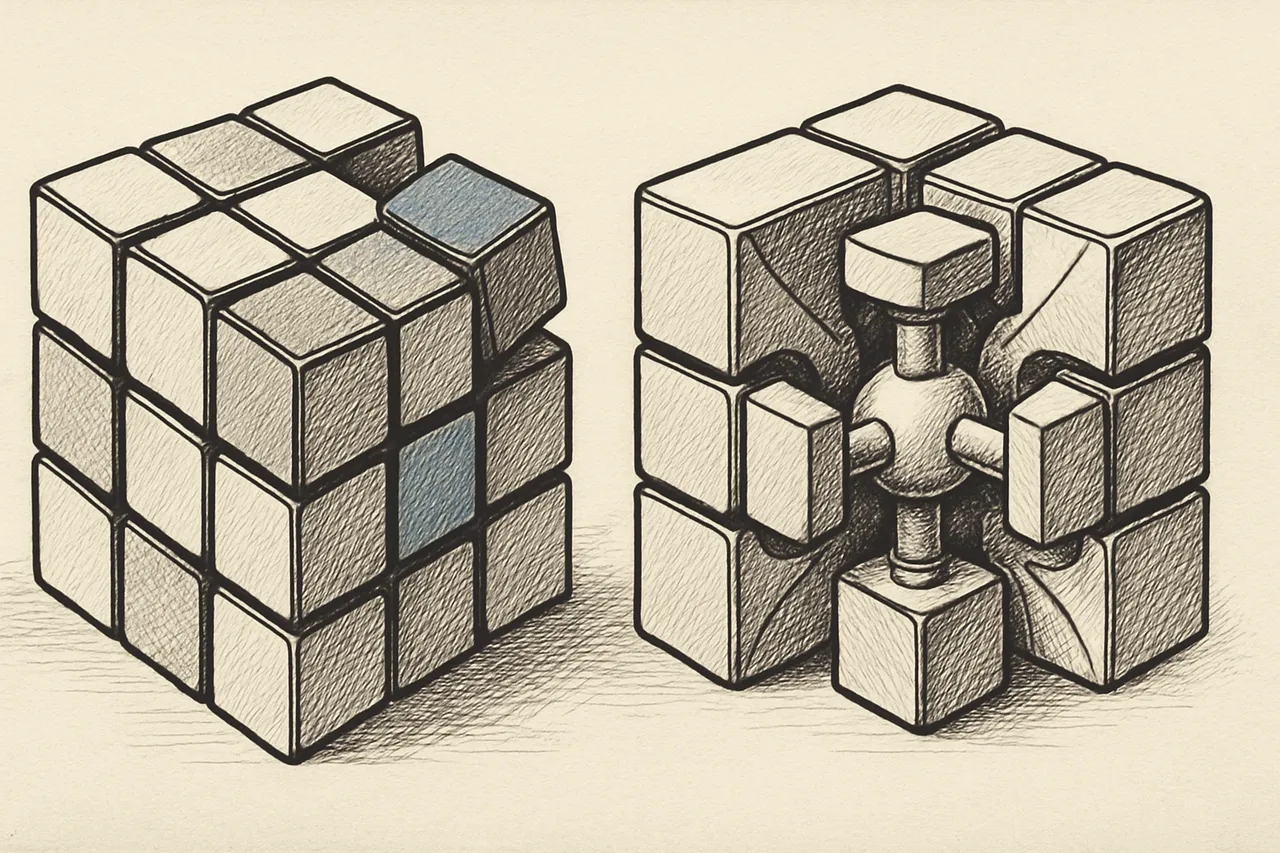
Ernő Rubik Needed About a Month to Solve His Own Cube. An American Court Later Found It Infringed an Earlier US Patent.
Rubik built the first cube in Budapest in 1974 as a way to think about three-dimensional movement. The clever part is how it holds together when most of its pieces are not attached to anything. In the United States, a chemist named Larry Nichols had patented a related puzzle in 1972, and his company sued.
Read the story →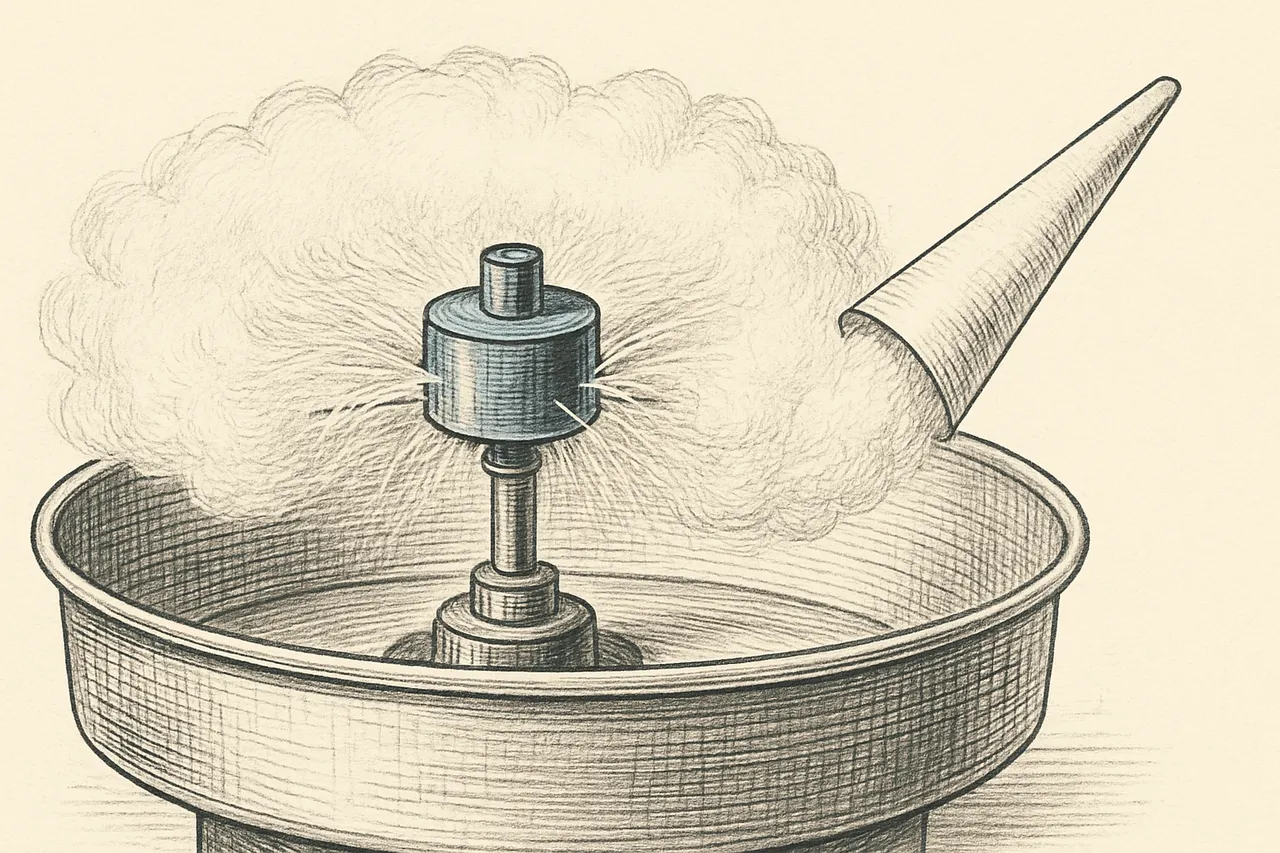
A Dentist Co-Invented the Cotton Candy Machine, and It Was Sold at the 1904 World's Fair as Fairy Floss
William Morrison was a dentist and John Wharton was a candy maker. Their machine melted sugar and flung it through tiny holes so that it cooled into threads finer than hair before it could crystallize. They filed in 1897, and at the St. Louis World's Fair it was a sensation.
Read the story →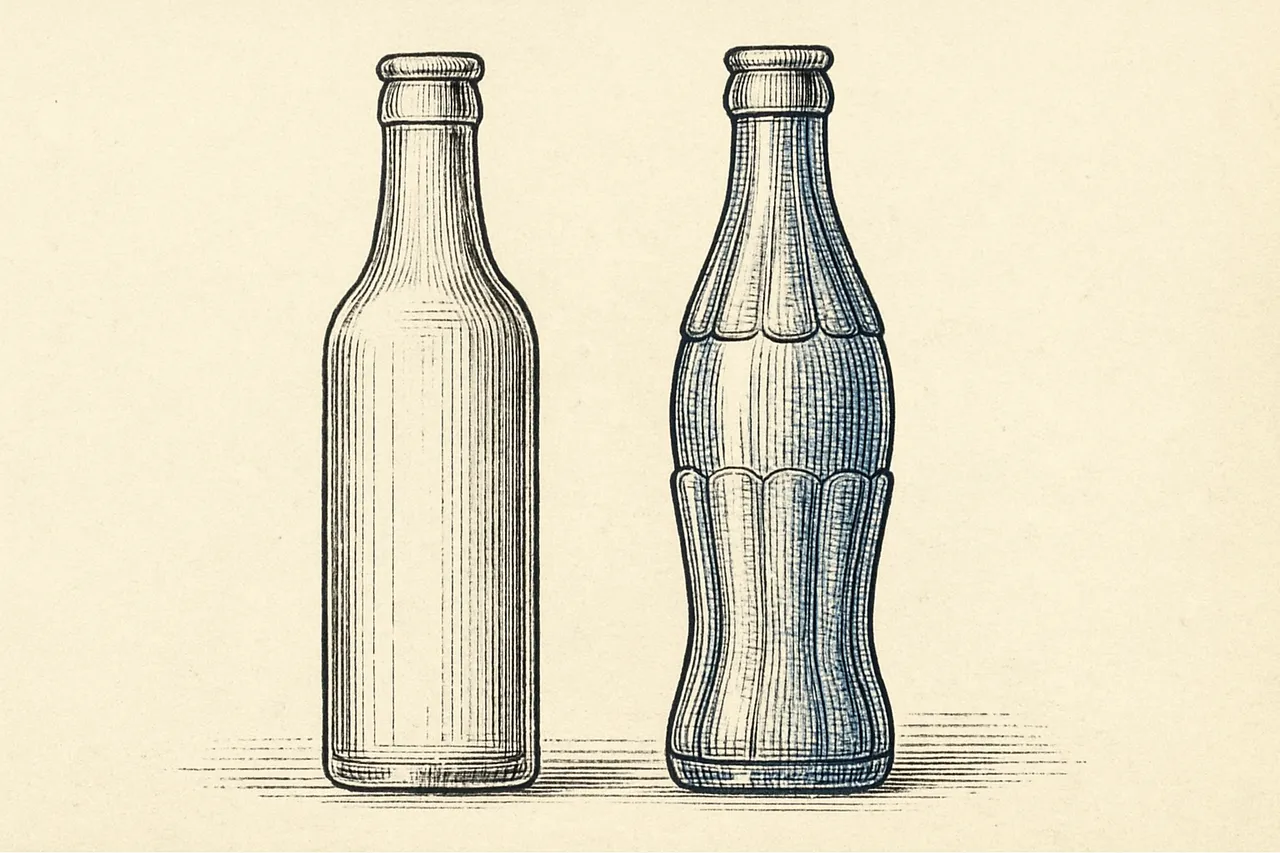
Coca-Cola Asked Glassmakers for a Bottle You Could Recognize in the Dark, or Broken on the Ground
In 1915 Coca-Cola had an imitation problem, since competitors used the same straight-sided bottles and borrowed-sounding names. It challenged glass companies to design a bottle identifiable by touch alone. The winner came from a small glassworks in Terre Haute, Indiana, and the name on the patent is not the name of the man who drew it.
Read the story →