Play-Doh Was a Wallpaper Cleaner. Natural Gas Almost Killed the Company.
Kutol made a putty that rolled soot off wallpaper. Then homes switched from coal to gas heat, walls stopped getting sooty, and the business was finished — until a schoolteacher mentioned that children were using it as modeling clay.
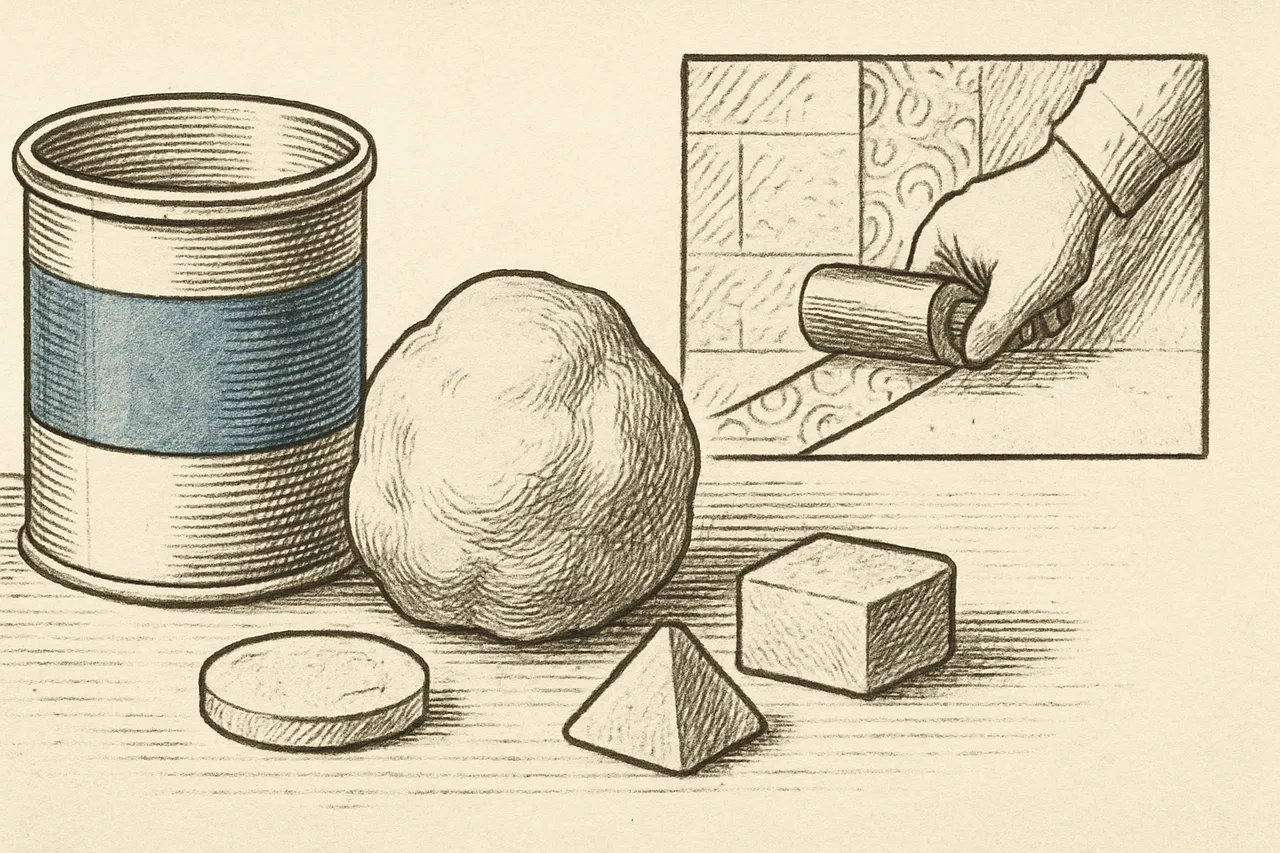
US3167440 was granted in 1965 and covers a plastic modeling composition — the material the world knows as Play-Doh. Its path to the toy aisle is one of the great accidental pivots in American manufacturing, and it happened because the country changed how it heated its houses.
Through the first half of the twentieth century, most American homes burned coal. Coal heat is dirty: it deposits a film of soot on everything, and in particular on wallpaper, which in that era covered most interior walls and could not simply be scrubbed or repainted without ruining it.
The Kutol Products company of Cincinnati made a solution to this: a soft, pliable, doughy compound that you rolled across a wall. The putty picked up the soot without scrubbing and without wetting or tearing the paper. It sold steadily for decades.
The market disappears
After the Second World War, two things happened at once. American homes converted rapidly from coal furnaces to natural gas and oil heat, which burn far cleaner. And washable vinyl wallpaper and paint came into fashion, so walls could simply be wiped down.
Within a few years the entire reason for Kutol's flagship product had evaporated. The company, run at that point by Cleo McVicker and later his son Joe, was heading toward failure with a warehouse full of a product almost nobody needed anymore.
The schoolteacher
The rescue came through family. Kay Zufall, a nursery-school teacher, was the sister-in-law of Joe McVicker. She had read that the wallpaper putty was being used in classrooms as a modeling material — children liked squeezing it, and it was softer and less messy than the oil-based clays of the day. She tried it with her own students, watched them make ornaments and shapes with it, and told her brother-in-law that the company was sitting on a toy.
She is also credited with suggesting the name. The compound was reformulated for the new purpose: the detergent was removed, an almond scent and colors were added, and the salt content was adjusted so it would keep.
Play-Doh launched in 1956, first through a Cincinnati department store and then nationally. It was in three colors and sold in a cardboard can. Educational-television appearances, especially on children's programming, pushed it into homes across the country.
What it became
Play-Doh has sold, by the manufacturer's own estimates, in excess of three billion cans. It was inducted into the National Toy Hall of Fame in 1998. The formula remains a trade secret, though the basic composition — flour, water, salt, and mineral oil — is well understood and widely reproduced in kitchens.
The smell is now itself a piece of intellectual property: in 2018 Hasbro registered a trademark on the scent of Play-Doh, describing it as a combination of sweet, slightly musky vanilla with cherry notes over a salted, wheat-based dough.
The lesson buried in the story is a specific one about markets, not chemistry. Kutol's product never stopped working. What ended was the problem it solved. The company survived because someone noticed that children had already found the next problem for it.
See the original
The full text of US3167440 is on patents.us.
Related stories
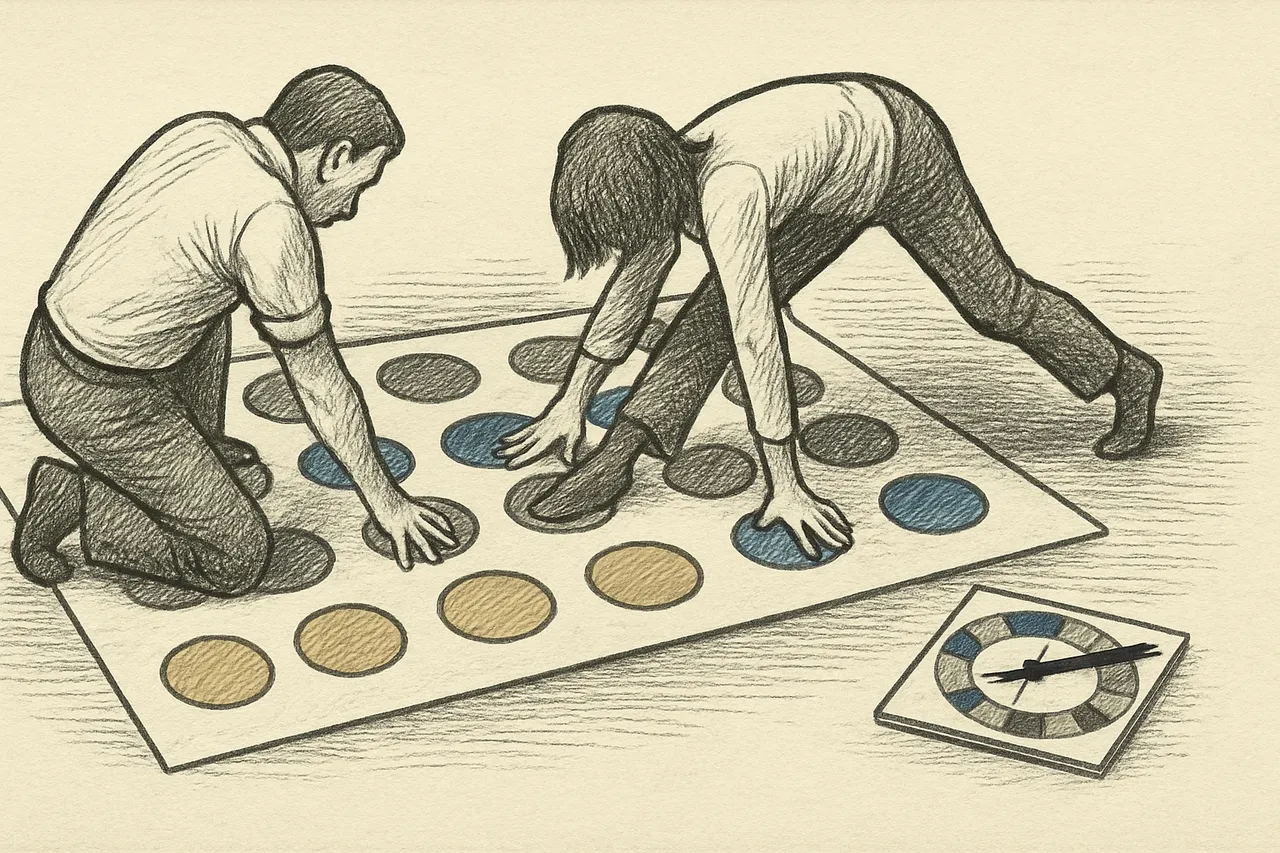
Twister's Patent Is Titled 'Apparatus for Playing a Game Wherein the Players Constitute the Game Pieces'
The patent title is the whole idea: the people are the pieces. Milton Bradley released the game in 1966, some retailers were wary of it, and critics found it a little too intimate. Then Johnny Carson played it on television with Eva Gabor, and the orders poured in.
Read the story →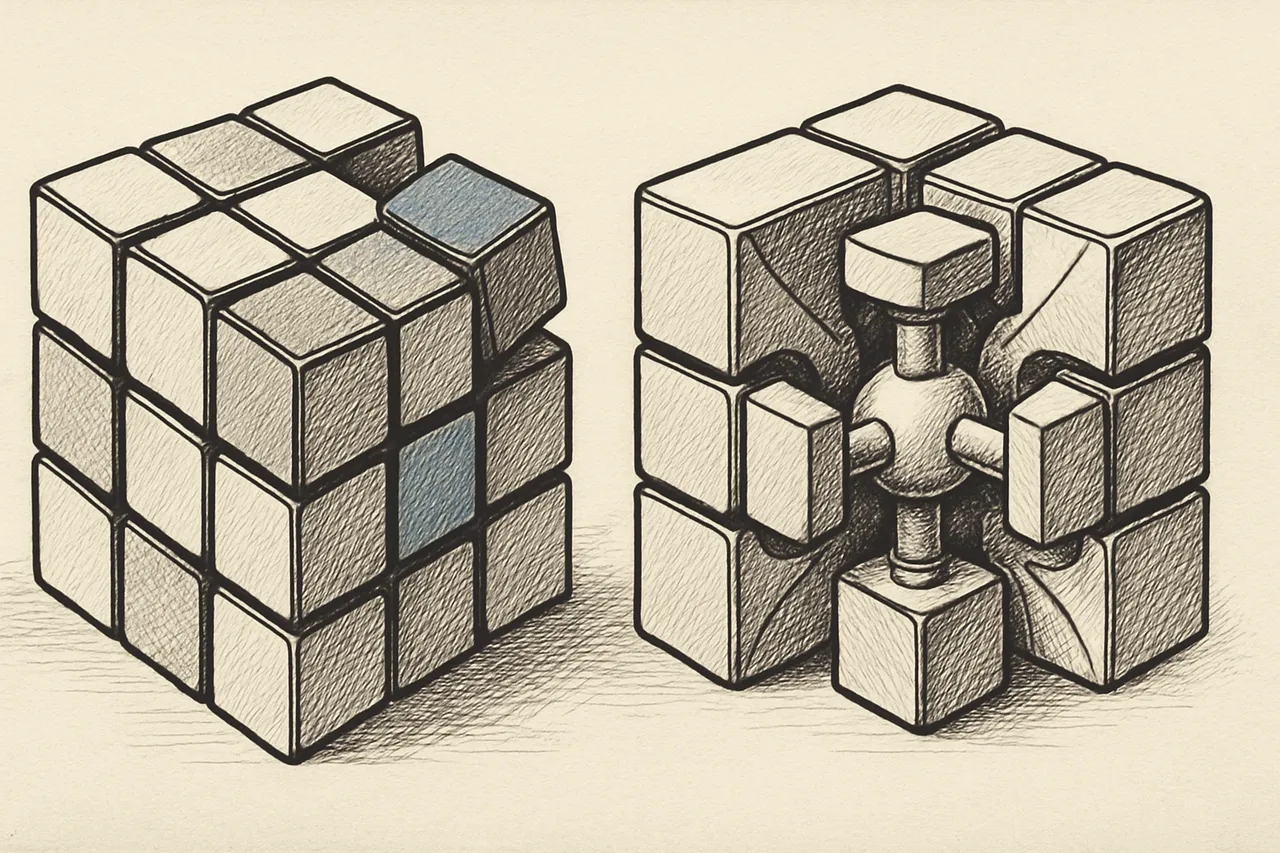
Ernő Rubik Needed About a Month to Solve His Own Cube. An American Court Later Found It Infringed an Earlier US Patent.
Rubik built the first cube in Budapest in 1974 as a way to think about three-dimensional movement. The clever part is how it holds together when most of its pieces are not attached to anything. In the United States, a chemist named Larry Nichols had patented a related puzzle in 1972, and his company sued.
Read the story →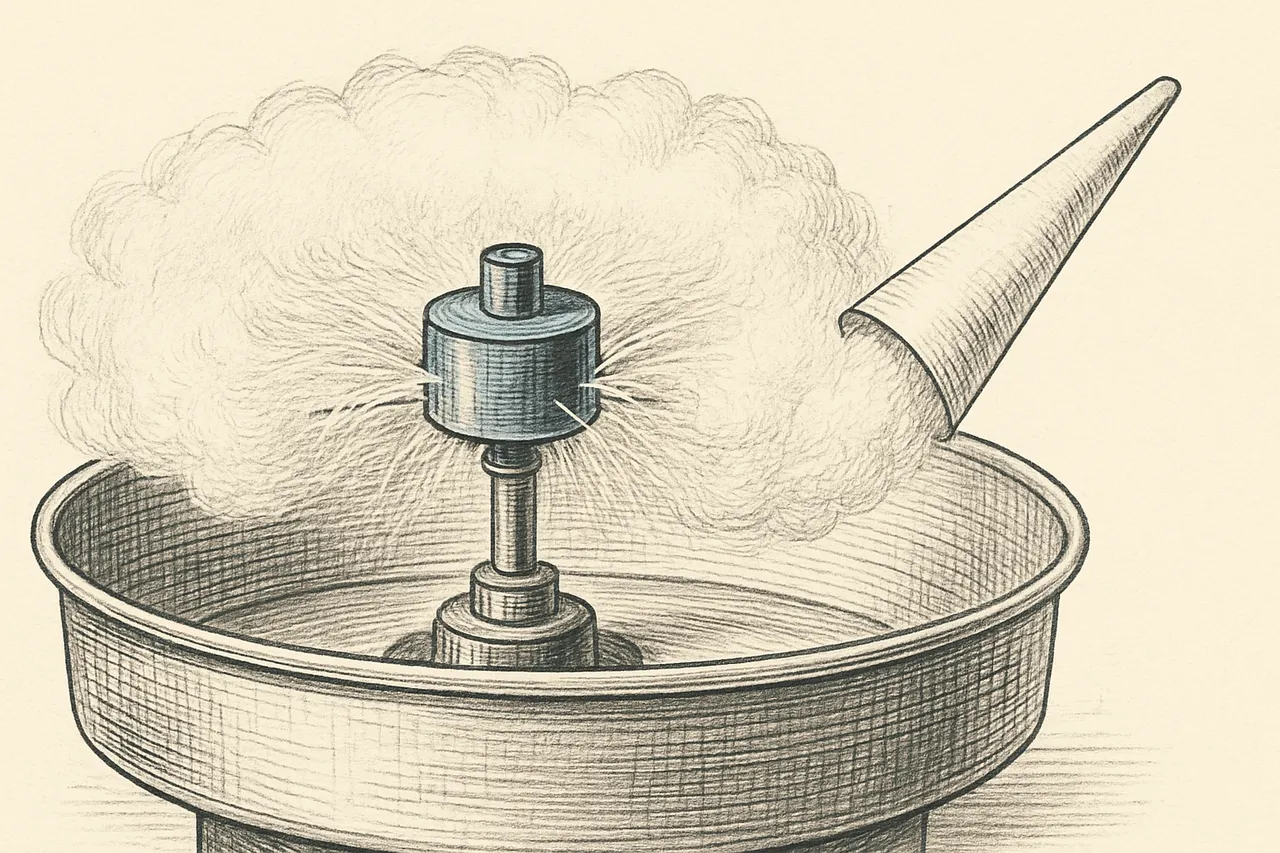
A Dentist Co-Invented the Cotton Candy Machine, and It Was Sold at the 1904 World's Fair as Fairy Floss
William Morrison was a dentist and John Wharton was a candy maker. Their machine melted sugar and flung it through tiny holes so that it cooled into threads finer than hair before it could crystallize. They filed in 1897, and at the St. Louis World's Fair it was a sensation.
Read the story →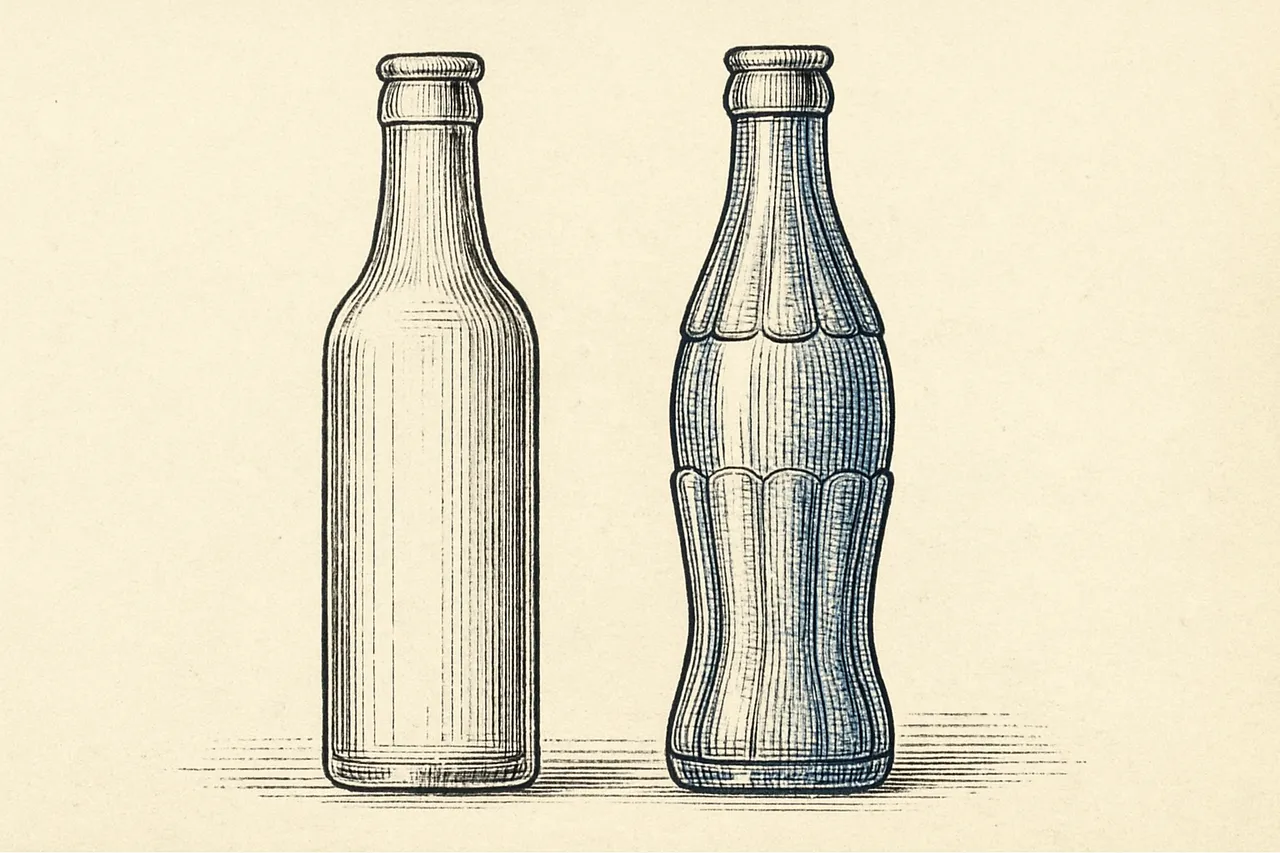
Coca-Cola Asked Glassmakers for a Bottle You Could Recognize in the Dark, or Broken on the Ground
In 1915 Coca-Cola had an imitation problem, since competitors used the same straight-sided bottles and borrowed-sounding names. It challenged glass companies to design a bottle identifiable by touch alone. The winner came from a small glassworks in Terre Haute, Indiana, and the name on the patent is not the name of the man who drew it.
Read the story →