Frank Lloyd Wright's Son Came Home From a Hotel Project in Tokyo and Patented a Log Cabin You Could Build on the Floor
John Lloyd Wright worked with his famous father on the Imperial Hotel in Tokyo, a building designed to survive earthquakes. Back in the United States he began selling a toy made of notched wooden logs, and named it after the most famous log cabin in American history.
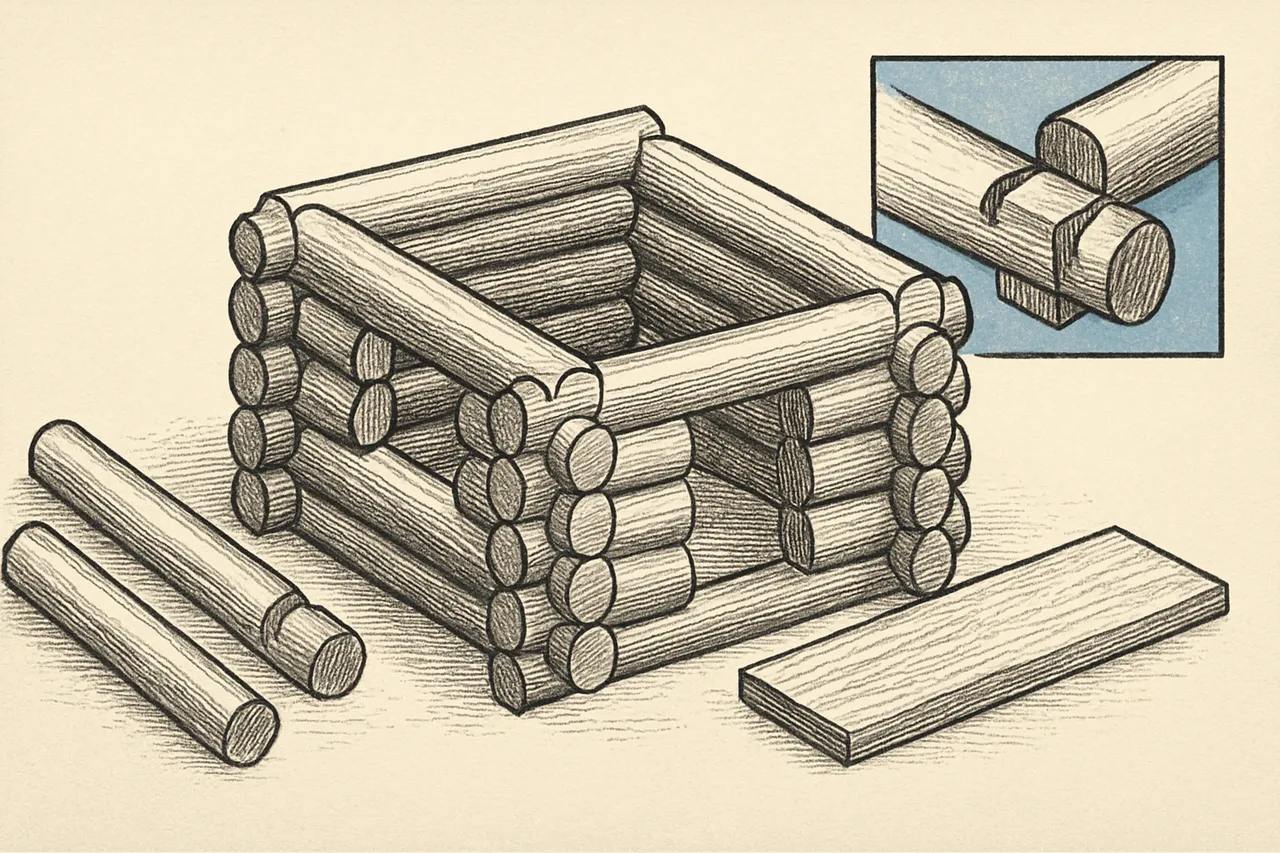
US1351086 was filed by John Lloyd Wright on January 8, 1920, and granted later that year. The Patent Office title is Toy-Cabin Construction. The toy is Lincoln Logs, and the man who invented it was the second son of Frank Lloyd Wright.
Growing up in the family business
John Lloyd Wright was raised around architecture in a way few children are. His father was already a well-known architect when John was young, and several of Frank Lloyd Wright's children went into design and building. John trained in his father's practice and went with him to Japan to work on one of the most ambitious projects of Frank Lloyd Wright's career.
That project was the Imperial Hotel in Tokyo, built through the late 1910s and early 1920s. Japan is earthquake country, and the hotel was designed with that in mind, with a foundation and structure meant to move with the ground rather than resist it rigidly. The building made Wright's reputation in Japan when it came through the Great Kanto earthquake of 1923 with far less damage than much of the city around it.
The working relationship between father and son did not last. John left the project and returned to the United States.
Where the idea came from
The family's account is that John took the idea for the toy from the construction methods he had seen on the hotel, where heavy timbers were set to interlock with one another. That link is repeated in nearly every history of the toy.
It is fair to add that the joint at the heart of Lincoln Logs is much older than any hotel. A round log notched near each end, stacked crosswise with another notched log so that each one locks into the one below, is how real log cabins had been built for centuries. What John Lloyd Wright did was scale it down, standardize it, and turn it into a system.
That second step is the actual invention. Logs cut to a small set of fixed lengths, with notches in fixed positions, can be combined into a nearly unlimited number of walls and buildings, and they hold together by their own weight and geometry. No glue, no nails, no fasteners. A child can build a cabin, knock it down, and build a different one, and the pieces never wear out.
The name
Toy construction sets were having a moment. The Erector Set had arrived in 1913 and Tinkertoy in 1914, and parents were buying toys that taught children to build.
Wright's contribution to that market was named with real skill. Every American child in the period knew that Abraham Lincoln had been born in a log cabin, and the story of the frontier boy who rose to the presidency was a fixture of American schooling. Calling the toy Lincoln Logs tied a set of notched sticks to that entire mythology without having to say a word about it.
There is something a little funny in the combination. The toy was sold as a piece of American frontier history, and the family's own origin story traces it to an architect's son working on a modern earthquake-resistant hotel on the other side of the Pacific.
Afterward
John Lloyd Wright sold his company's toy line, and Lincoln Logs passed through several owners over the decades, including Playskool, which acquired it in 1943. The toy was inducted into the National Toy Hall of Fame in 1999 and is still sold.
He continued working as an architect for the rest of his life, mostly in California, and never approached his father's fame in that field. In toys, he did something his father never did, which is make an object that almost every American child has had in their hands.
See the original
The full text and figures of US1351086 are on patents.us.
Related stories
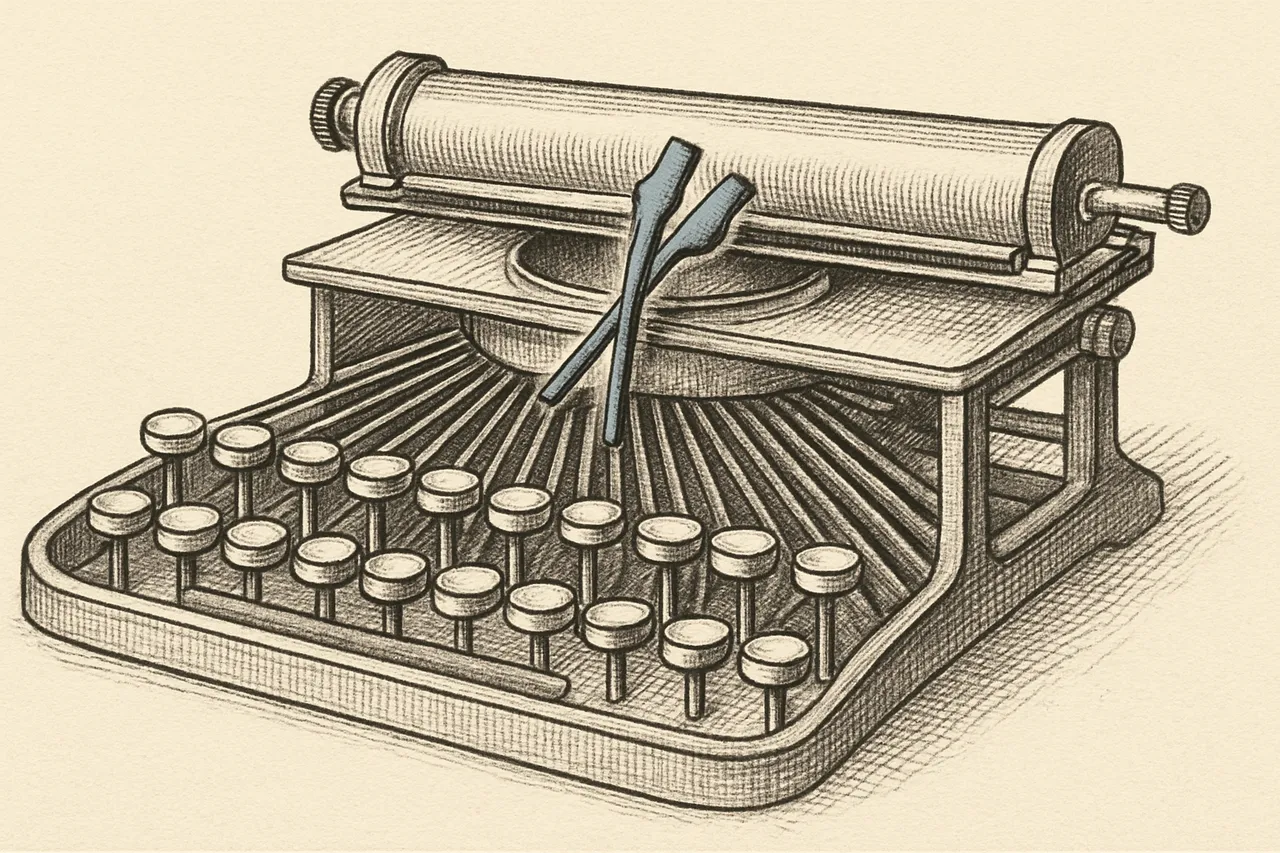
The 1868 Patent Behind the First Successful Typewriter Had Its Keys in Alphabetical Order. QWERTY Came Later, and Nobody Fully Agrees Why.
Christopher Latham Sholes and two partners patented a typewriter in Milwaukee in 1868 with keys arranged like a piano, roughly in alphabetical order. Over the next several years the letters were shuffled into QWERTY. The popular explanation for that is a distortion of a better one.
Read the story →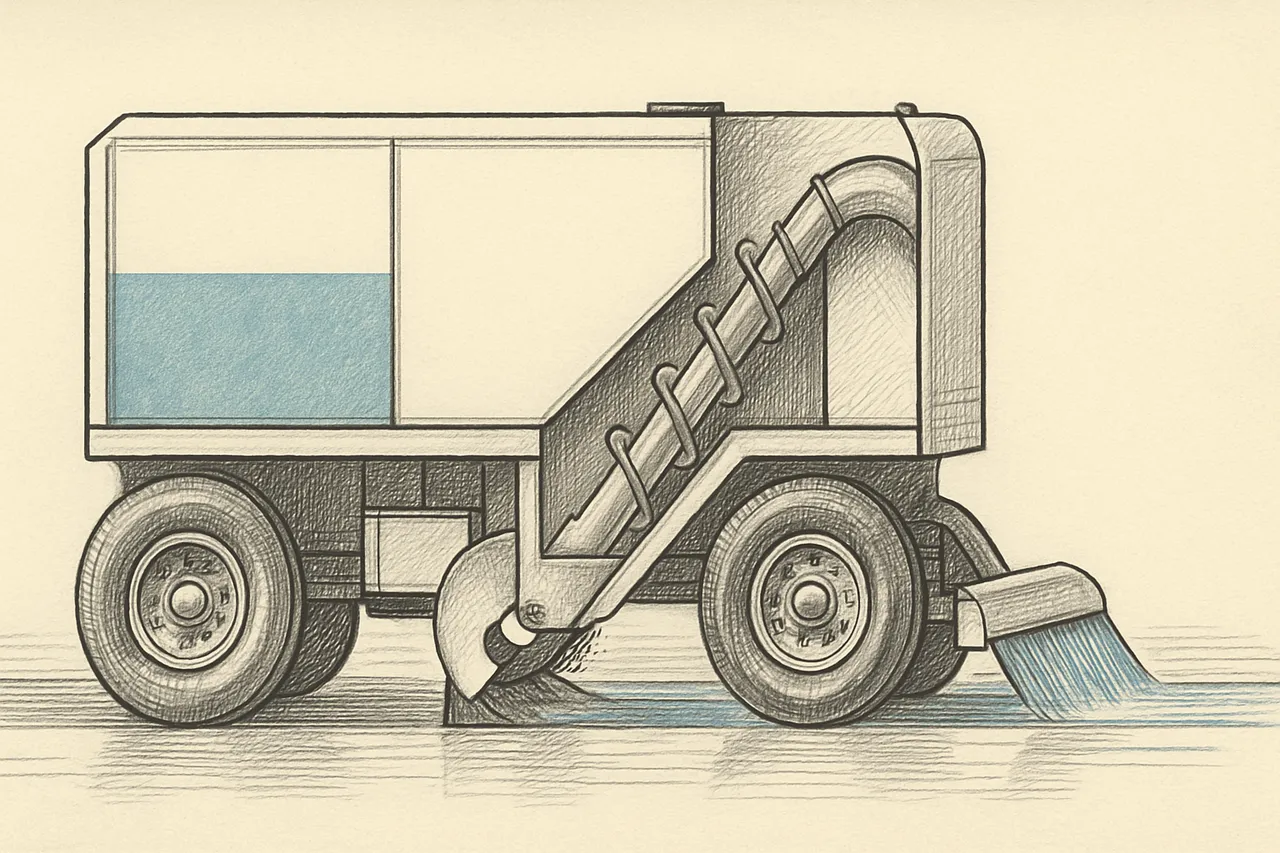
Frank Zamboni Spent Years Building a Machine So His Ice Rink Didn't Need a Crew of Men With Scrapers
Frank Zamboni ran an ice rink in Southern California, and resurfacing the ice by hand took several workers more than an hour. His machine did the whole job in a single pass. Its most important trick is the one people least expect: it lays down warm water, not cold.
Read the story →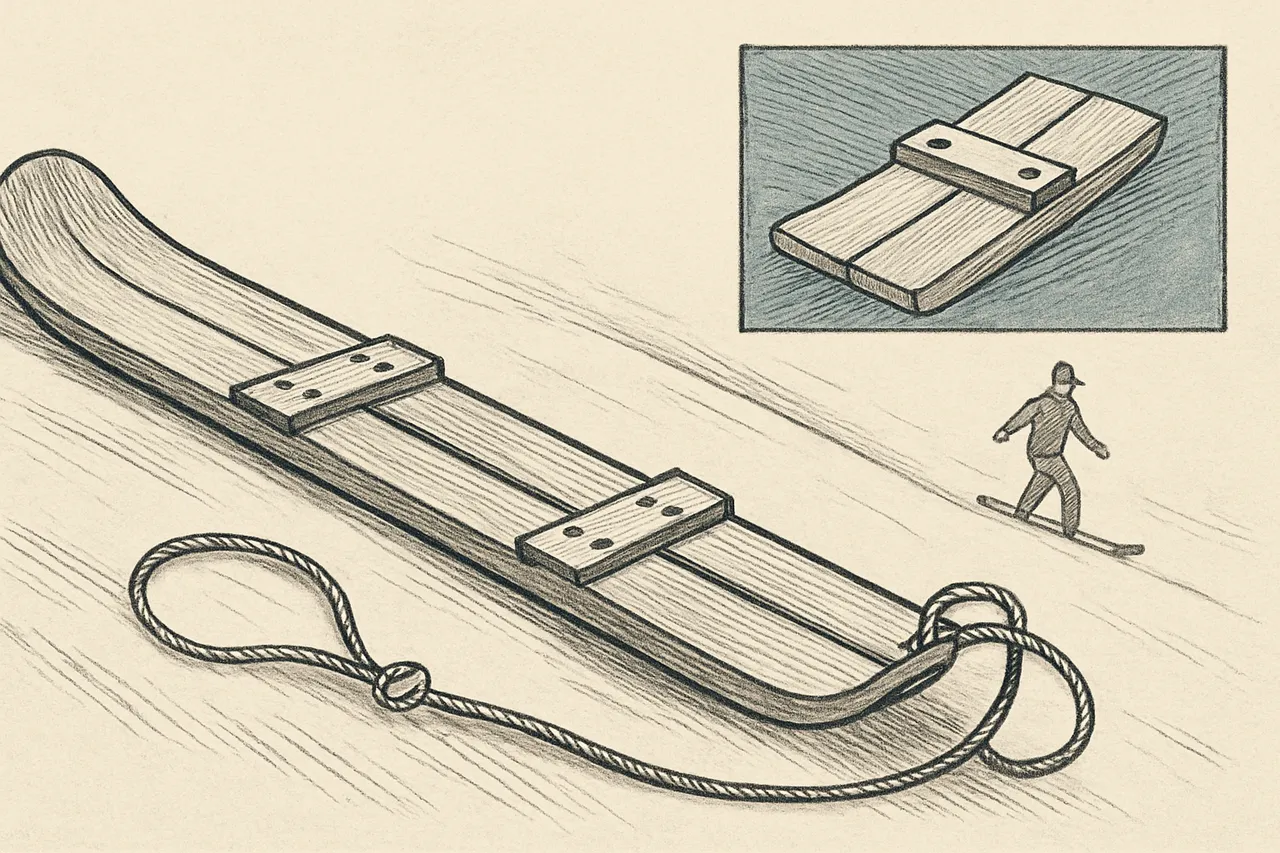
A Father Fastened Two Skis Together for His Daughter at Christmas in 1965. His Wife Named It the Snurfer.
Sherman Poppen was an engineer in Muskegon, Michigan, trying to keep his daughter busy over the holiday. He joined two children's skis side by side and tied a rope to the front. It sold as a toy by the hundreds of thousands, and the people who raced it turned it into a sport.
Read the story →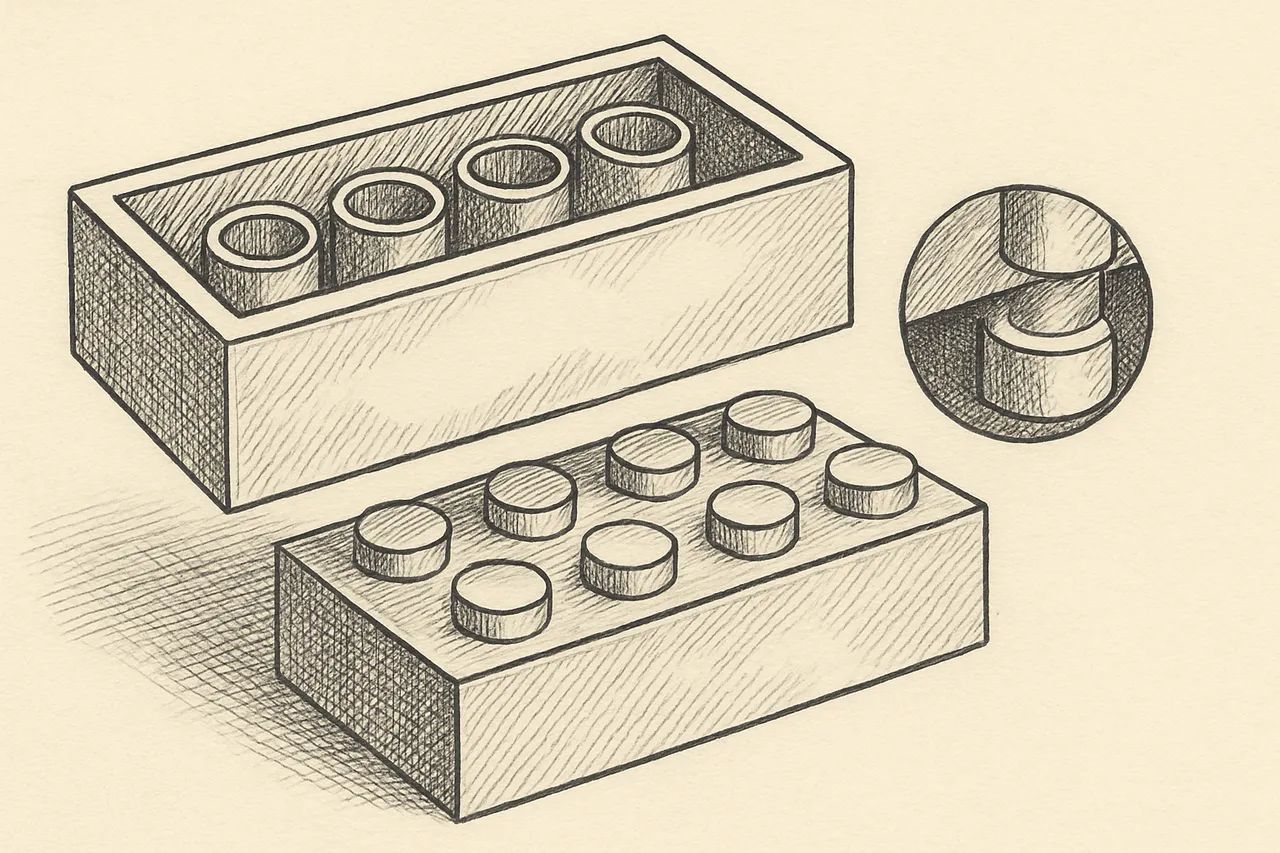
LEGO Bricks Were on Sale for Nine Years Before They Held Together Properly. The Fix Was a Row of Hollow Tubes.
The first LEGO bricks had studs on top and an empty space underneath, so models tended to come apart when you picked them up. Godtfred Kirk Christiansen's 1958 design put tubes inside the brick, and a brick molded that year still fits one molded today.
Read the story →