Corn Flakes Were an Accident at a Health Sanitarium, and the Brothers Never Spoke Again
The Kellogg brothers left boiled wheat sitting for a day, rolled it anyway, and got flakes instead of dough. One brother wanted it to stay a bland health food. The other added sugar and built a cereal empire. They sued each other for decades.
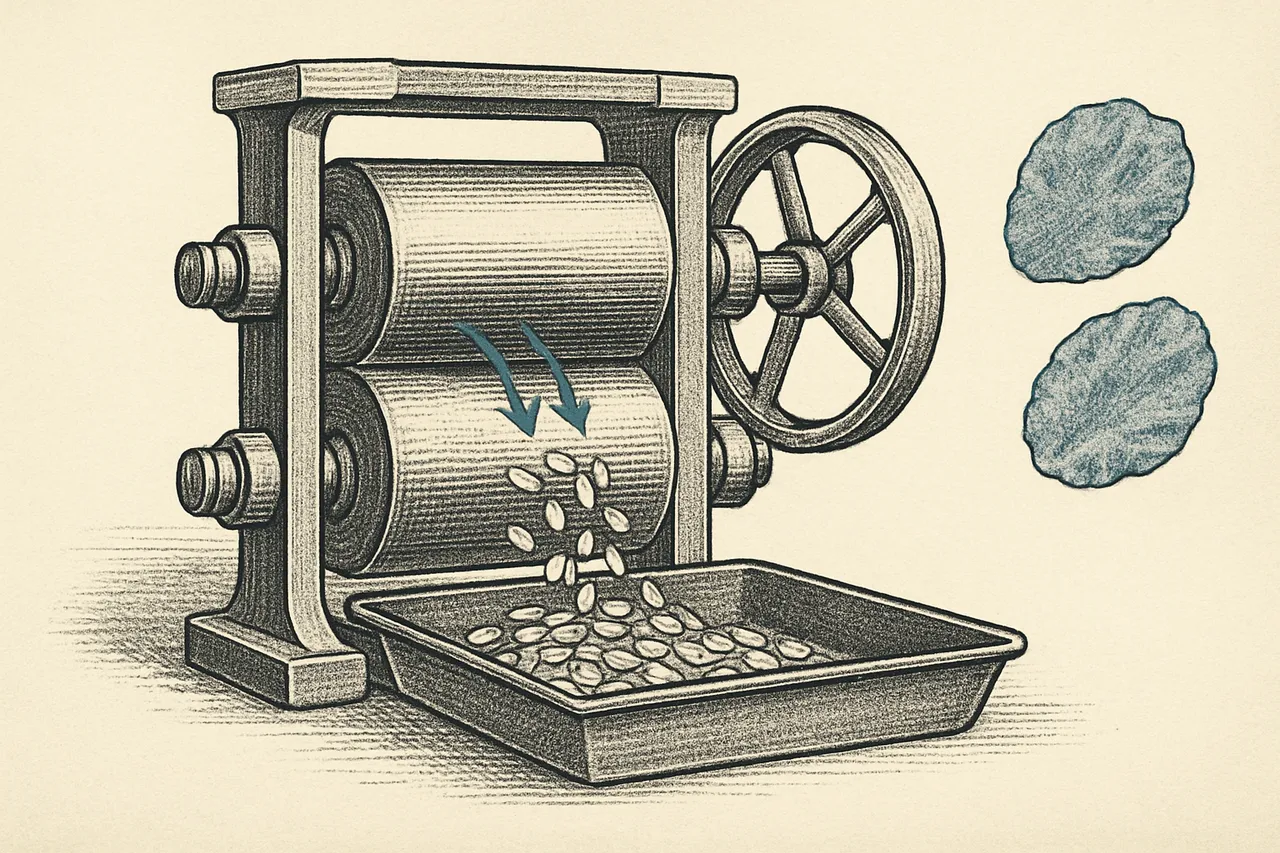
US558393 was granted to John Harvey Kellogg on April 14, 1896. The title is "Flaked Cereals and Process of Preparing Same." It is the patent behind corn flakes, and behind one of the longest-running family feuds in American business.
John Harvey Kellogg was the physician who ran the Battle Creek Sanitarium in Michigan, a health institution operated on Seventh-day Adventist principles. He advocated vegetarianism, exercise, abstinence from alcohol and tobacco, and — a theme he pursued with unusual intensity — a bland diet, in the belief that rich and spicy food stimulated unhealthy appetites of every kind.
He needed digestible, bland, ready-to-eat foods for his patients, many of whom had poor teeth and worse digestion. He and his younger brother Will Keith Kellogg, who managed the sanitarium's business affairs, experimented constantly.
The accident
The standard account, told by the family, is that in 1894 the brothers left a batch of boiled wheat sitting out — variously attributed to being called away on sanitarium business — and returned a day later to find it stale and tempered.
Rather than throw it out, they ran it through the rollers anyway, expecting a sheet of dough. Instead each softened grain came off as an individual flake.
The stale interval was the whole thing. Letting the moisture distribute evenly through each grain before rolling is what makes flaking possible rather than mashing, and it is the core of what the patent claims. They toasted the flakes, served them to patients, and the patients liked them.
The split
The brothers wanted completely different things from it.
John Harvey saw a therapeutic food and wanted it kept plain, in service of the sanitarium's philosophy. Will saw a mass-market breakfast product and understood that the general public would not buy something deliberately bland. He wanted to add sugar.
The argument was bitter and permanent. Will eventually secured the commercial rights and in 1906 founded what became the Kellogg Company, sweetening the flakes and marketing them aggressively to ordinary households. He was an exceptional marketer, and the company grew enormous.
John Harvey never accepted it. The brothers sued one another repeatedly over the use of the family name and the rights to the product, in litigation that ran for decades. They remained estranged for essentially the rest of their lives, reconciling — if at all — only in old age.
What it started
A competing Battle Creek figure, C.W. Post, had been a patient at the sanitarium, and went on to build his own cereal company. Between them, Battle Creek became the center of an industry that reshaped what the Western world eats in the morning: from cooked porridge, eggs, and meat to a bowl of dry processed grain and cold milk.
That shift began as a health regimen, survived a stale batch of wheat, and split a family in half.
See the original
The full text of US558393 is on patents.us.
Related stories
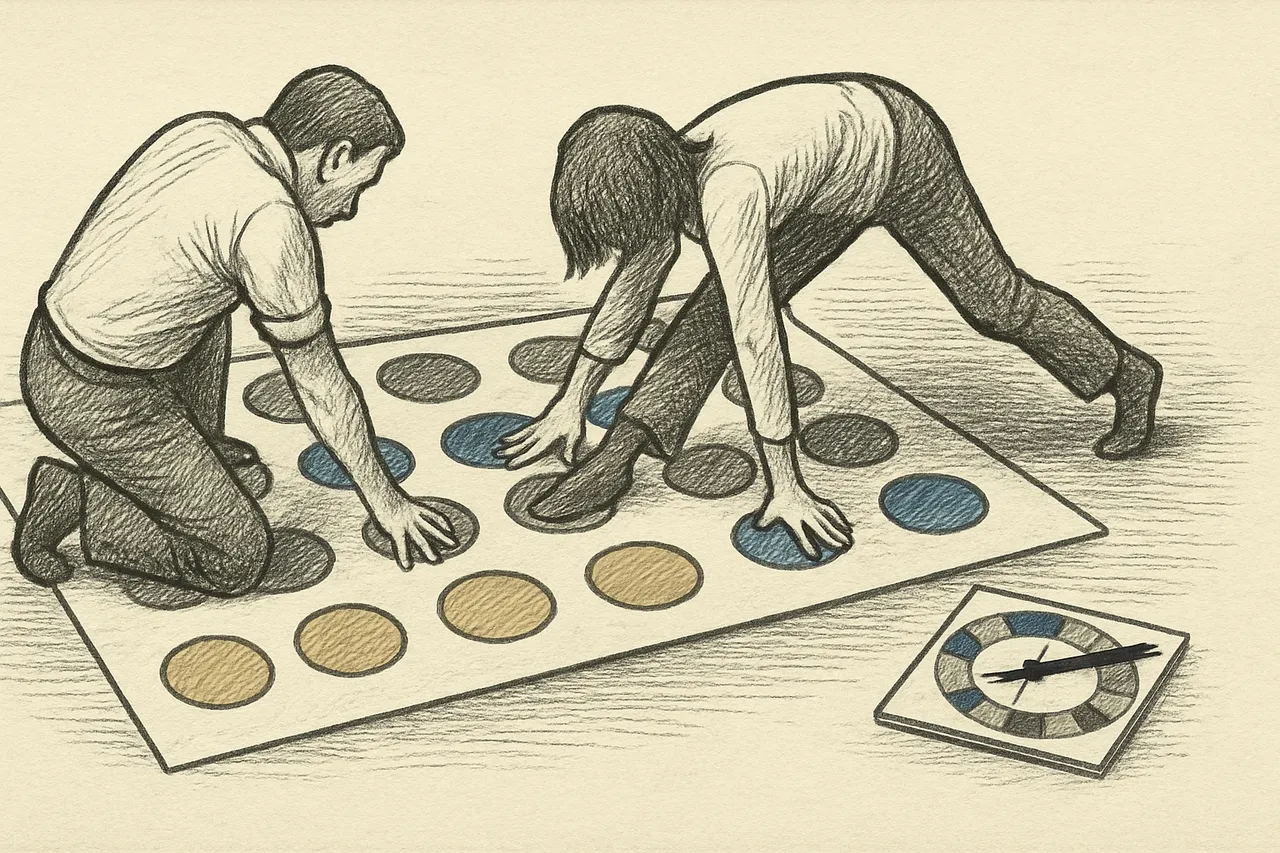
Twister's Patent Is Titled 'Apparatus for Playing a Game Wherein the Players Constitute the Game Pieces'
The patent title is the whole idea: the people are the pieces. Milton Bradley released the game in 1966, some retailers were wary of it, and critics found it a little too intimate. Then Johnny Carson played it on television with Eva Gabor, and the orders poured in.
Read the story →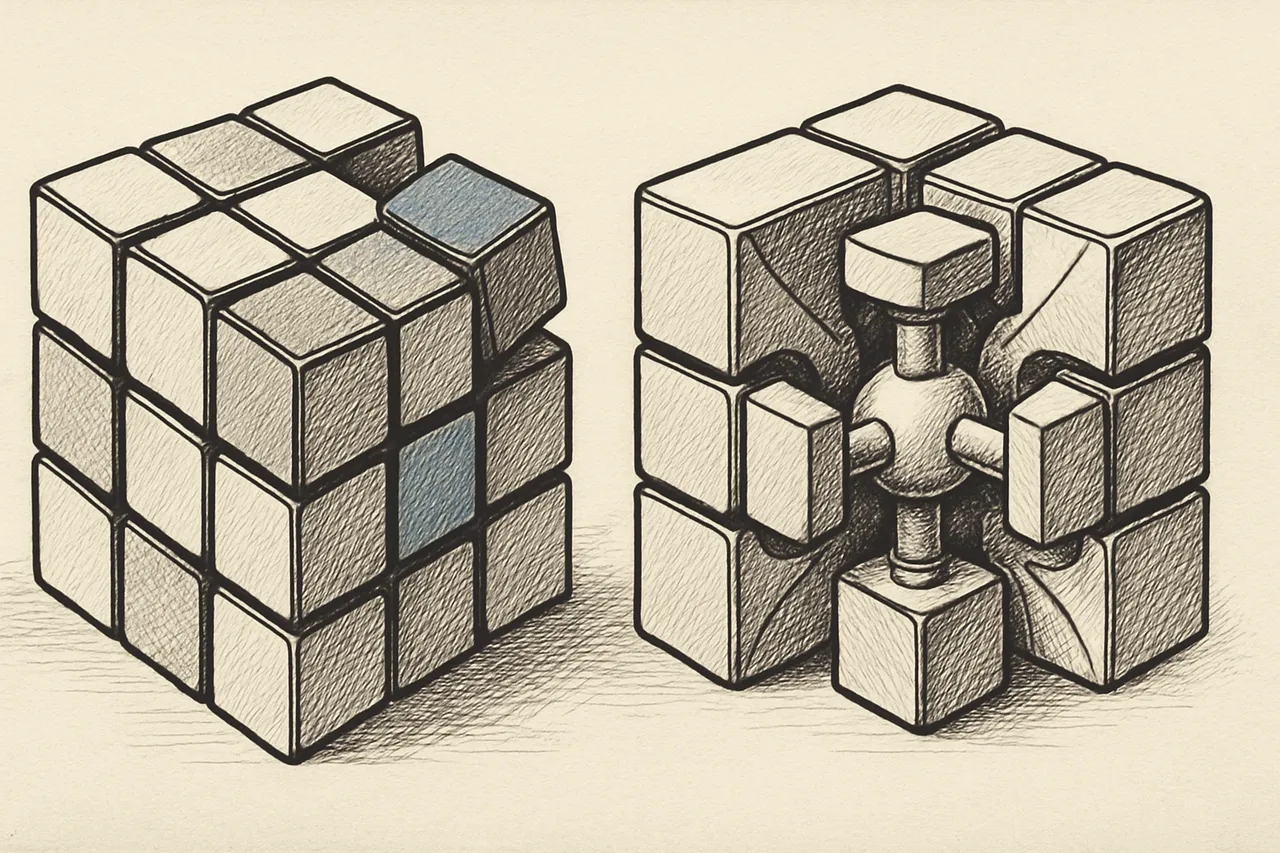
Ernő Rubik Needed About a Month to Solve His Own Cube. An American Court Later Found It Infringed an Earlier US Patent.
Rubik built the first cube in Budapest in 1974 as a way to think about three-dimensional movement. The clever part is how it holds together when most of its pieces are not attached to anything. In the United States, a chemist named Larry Nichols had patented a related puzzle in 1972, and his company sued.
Read the story →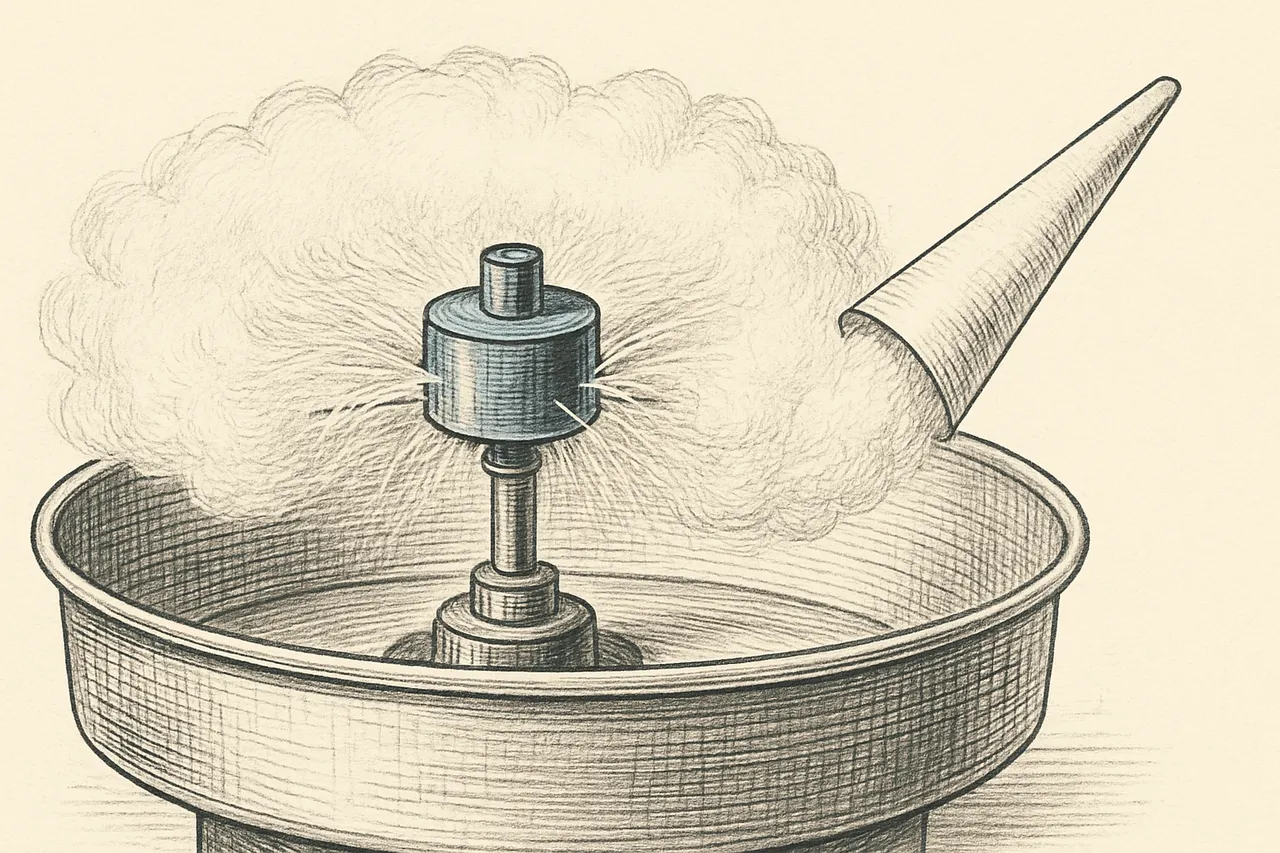
A Dentist Co-Invented the Cotton Candy Machine, and It Was Sold at the 1904 World's Fair as Fairy Floss
William Morrison was a dentist and John Wharton was a candy maker. Their machine melted sugar and flung it through tiny holes so that it cooled into threads finer than hair before it could crystallize. They filed in 1897, and at the St. Louis World's Fair it was a sensation.
Read the story →
Coca-Cola Asked Glassmakers for a Bottle You Could Recognize in the Dark, or Broken on the Ground
In 1915 Coca-Cola had an imitation problem, since competitors used the same straight-sided bottles and borrowed-sounding names. It challenged glass companies to design a bottle identifiable by touch alone. The winner came from a small glassworks in Terre Haute, Indiana, and the name on the patent is not the name of the man who drew it.
Read the story →