Levi Strauss Sold the Fabric. A Latvian Tailor Invented the Rivets — and Couldn't Afford the Patent Fee.
Jacob Davis was a Reno tailor whose customers kept splitting their pockets. He started hammering harness rivets into the corners. When copycats appeared he wanted a patent, needed sixty-eight dollars he didn't have, and wrote to his fabric supplier.
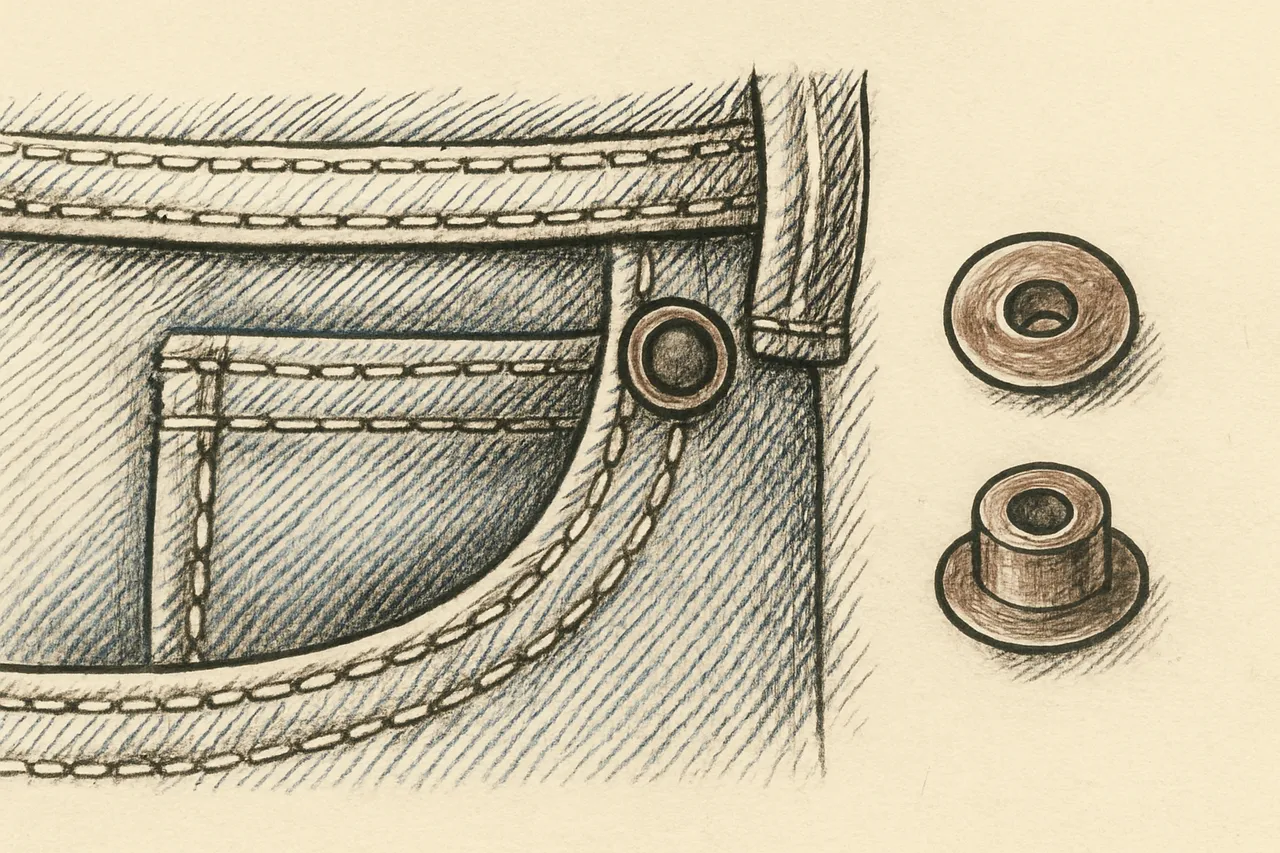
US139121 was granted on May 20, 1873, to Jacob W. Davis and Levi Strauss & Company. The title is "Improvement in Fastening Pocket-Openings." The improvement is a small copper rivet, and it is the reason blue jeans exist as a distinct garment rather than as ordinary work trousers.
Davis was a Latvian-born tailor working in Reno, Nevada, making tents, wagon covers, and heavy work clothes for miners and laborers. He bought his cloth from a San Francisco dry goods wholesaler named Levi Strauss.
His problem was a warranty problem. Working men kept returning trousers with the pockets torn out. The failure was always at the same place — the top corners of the pocket, where the whole weight of a load of tools, ore samples, or coins concentrates on a few stitches. No thread was strong enough.
The rivet
The fix came, by the usual account, from a customer's request for exceptionally durable trousers. Davis had copper rivets on hand for securing straps on horse blankets, and he hammered them into the stress points at the pocket corners and at the base of the button fly.
Metal does not tear the way stitching does. The rivets took the load off the thread entirely, and the trousers stopped coming back.
Word spread among laborers fast enough that Davis could not keep up with demand — and fast enough that other tailors began copying him.
Sixty-eight dollars
Davis wanted a patent and could not afford one. The filing fee was sixty-eight dollars, which he did not have.
So in 1872 he wrote to Levi Strauss, his fabric supplier, proposing that Strauss pay the fee in exchange for a share of the patent. Strauss — who was a merchant, not an inventor, and who had never made a pair of trousers in his life — recognized what he was looking at and agreed immediately.
The patent issued the following year in both names. Davis moved to San Francisco to run manufacturing. The garment they produced under it, in heavy denim dyed with indigo, became the "waist overall," then the blue jean.
Who gets remembered
The company bore Strauss's name, and popular memory credits him as the inventor of blue jeans. He was not. He was the man with the fabric, the distribution, and the sixty-eight dollars — which turned out to be exactly the three things the invention needed and did not have.
Davis worked for the company for the rest of his life and is comparatively little known outside denim history. The patent expired in 1890, at which point every manufacturer in America was free to rivet pockets, and most immediately did.
The rivets are still there. Look at the corners of your back pockets.
See the original
The full text and figures of US139121 are on patents.us.
Related stories
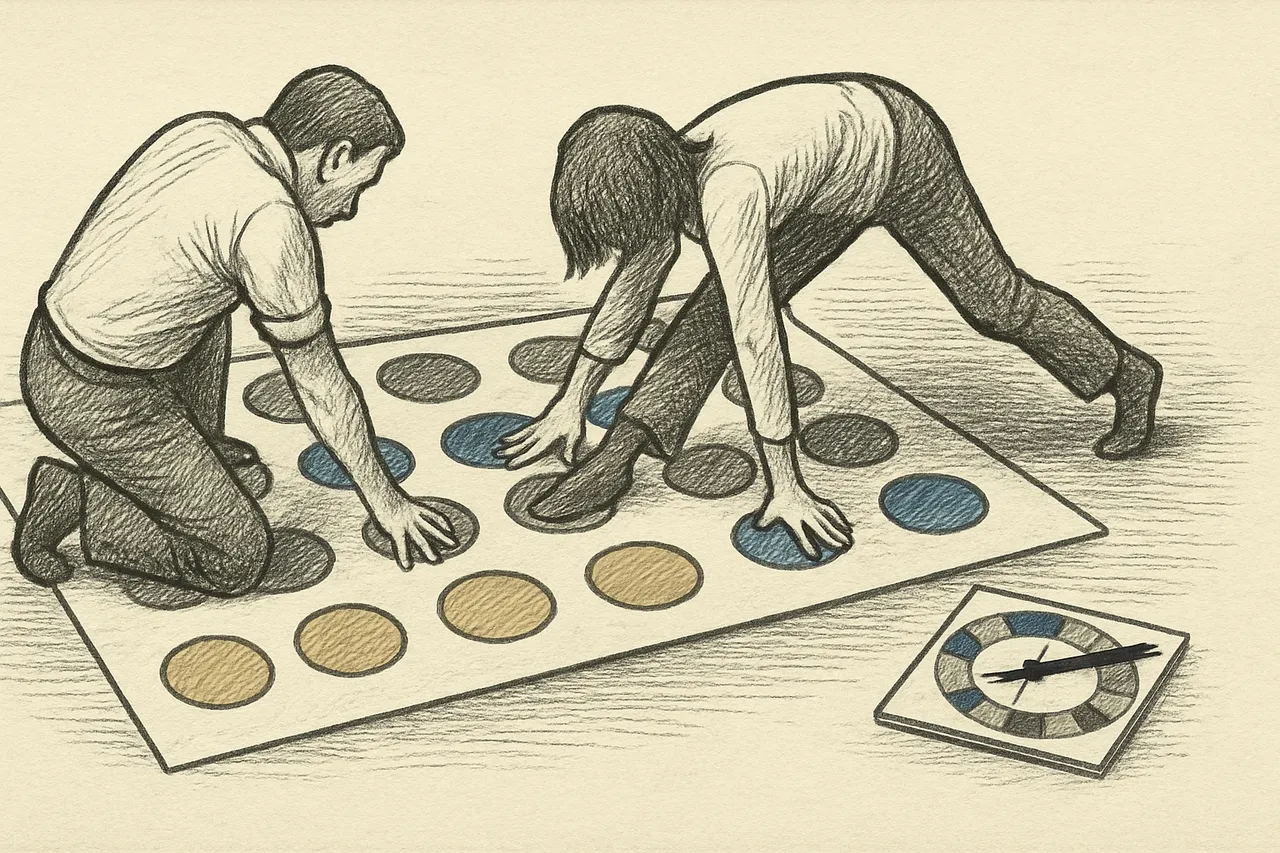
Twister's Patent Is Titled 'Apparatus for Playing a Game Wherein the Players Constitute the Game Pieces'
The patent title is the whole idea: the people are the pieces. Milton Bradley released the game in 1966, some retailers were wary of it, and critics found it a little too intimate. Then Johnny Carson played it on television with Eva Gabor, and the orders poured in.
Read the story →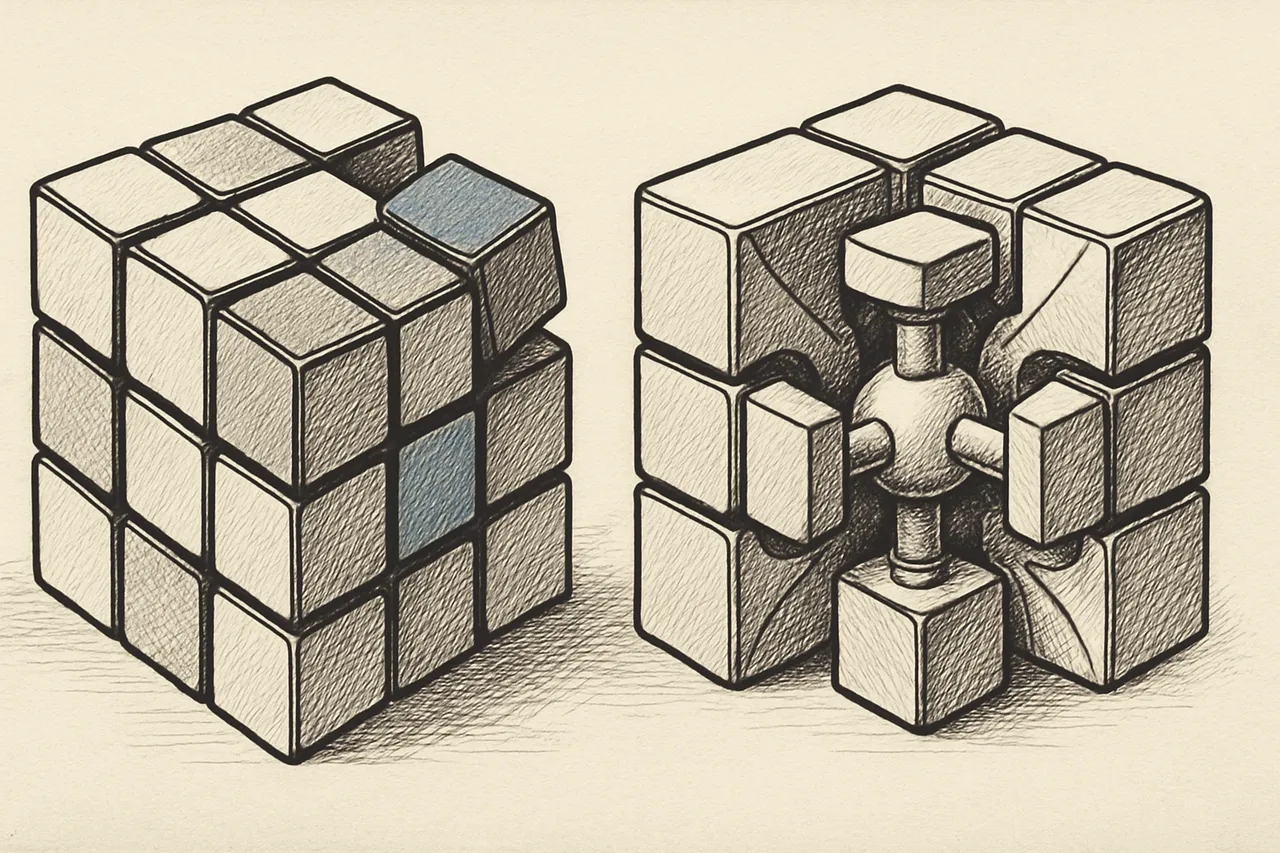
Ernő Rubik Needed About a Month to Solve His Own Cube. An American Court Later Found It Infringed an Earlier US Patent.
Rubik built the first cube in Budapest in 1974 as a way to think about three-dimensional movement. The clever part is how it holds together when most of its pieces are not attached to anything. In the United States, a chemist named Larry Nichols had patented a related puzzle in 1972, and his company sued.
Read the story →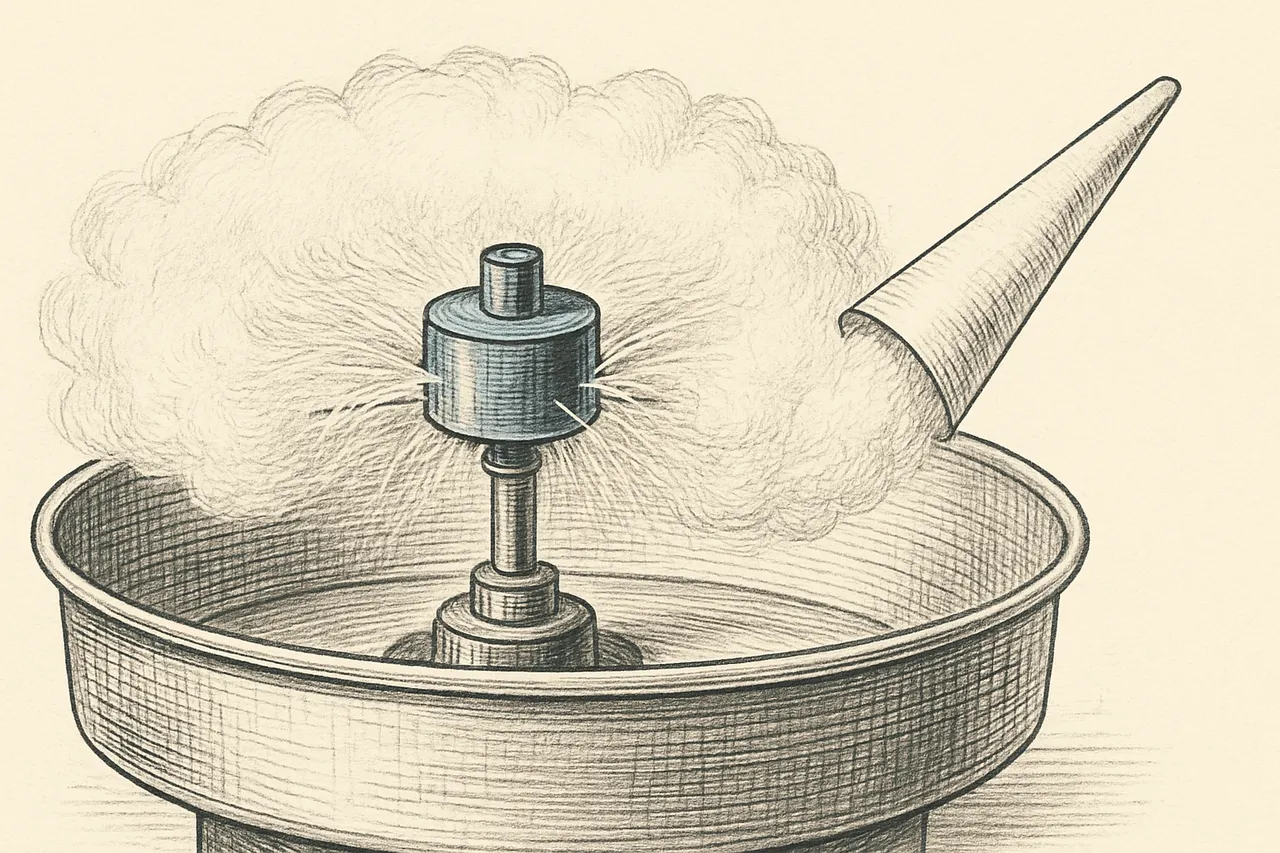
A Dentist Co-Invented the Cotton Candy Machine, and It Was Sold at the 1904 World's Fair as Fairy Floss
William Morrison was a dentist and John Wharton was a candy maker. Their machine melted sugar and flung it through tiny holes so that it cooled into threads finer than hair before it could crystallize. They filed in 1897, and at the St. Louis World's Fair it was a sensation.
Read the story →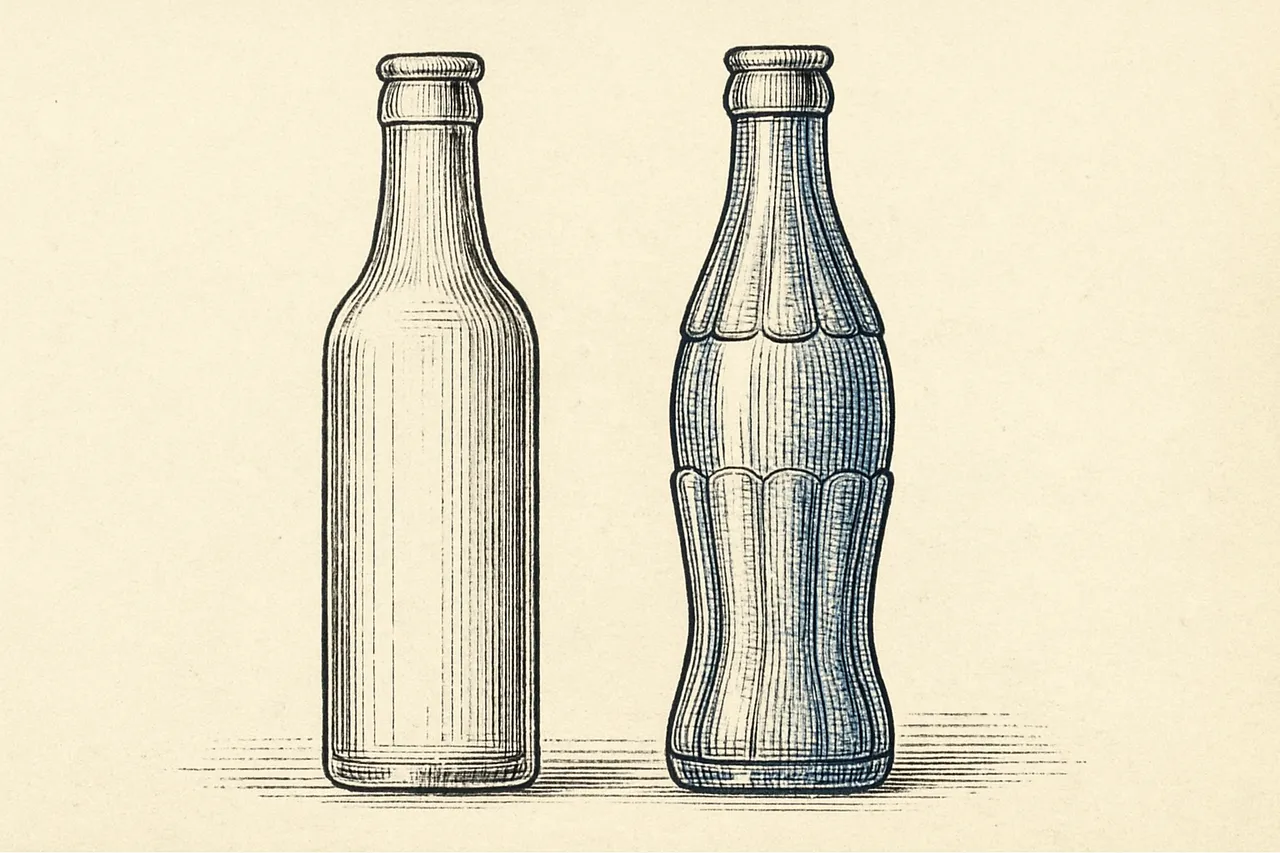
Coca-Cola Asked Glassmakers for a Bottle You Could Recognize in the Dark, or Broken on the Ground
In 1915 Coca-Cola had an imitation problem, since competitors used the same straight-sided bottles and borrowed-sounding names. It challenged glass companies to design a bottle identifiable by touch alone. The winner came from a small glassworks in Terre Haute, Indiana, and the name on the patent is not the name of the man who drew it.
Read the story →