The Supreme Court Invalidated the Pencil-With-an-Eraser Patent, and Set a Rule Still Used Today
Hymen Lipman patented sticking an eraser on the end of a pencil in 1858 and sold the rights for a fortune. The Supreme Court threw the patent out, ruling that combining two known things that each keep doing their own job is not an invention.
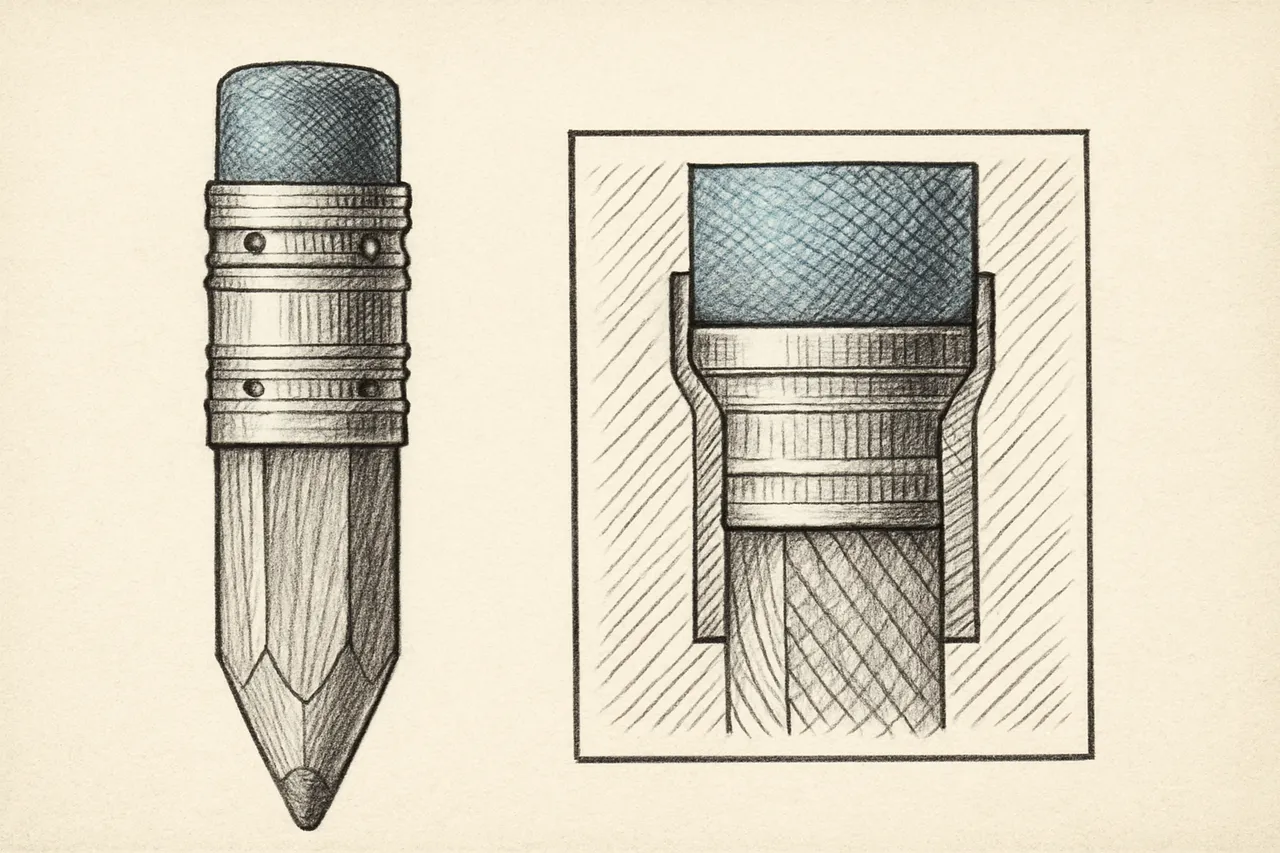
US19783 was granted to Hymen L. Lipman of Philadelphia on March 30, 1858. It covers a pencil with an eraser attached to the end — the object sitting in every desk drawer in America. It is also one of the most consequential invalidated patents in United States law.
Pencils existed. Rubber erasers existed, and had since the 1770s, when it was discovered that a lump of caoutchouc would rub out graphite marks, which is where the word "rubber" comes from. What Lipman claimed was the combination: a groove cut in the pencil's end, with a rubber insert glued in, so that one object did both jobs and neither had to be hunted for separately.
In 1862 Lipman sold the patent to a businessman named Joseph Reckendorfer for a reported one hundred thousand dollars — an enormous sum for the era.
Reckendorfer v. Faber
Reckendorfer then sued the pencil manufacturer Eberhard Faber for infringement, and in 1875 the case reached the Supreme Court of the United States.
The Court invalidated the patent, and its reasoning is the part that outlived the pencil. The justices held that a mere aggregation of two known devices, where each continues to perform its own familiar function and nothing new emerges from the pairing, is not patentable.
The pencil still wrote exactly as pencils write. The eraser still erased exactly as erasers erase. Putting them at opposite ends of the same stick was convenient, but the combination produced no new effect and required no inventive leap. A combination is patentable, the Court held in substance, only when the parts together produce a new and useful result — not merely when they are found in the same place.
Reckendorfer lost his hundred thousand dollars.
Why it still matters
Reckendorfer v. Faber remains a foundational American case on the difference between an invention and a combination, and the principle it set is invoked constantly — in mechanical cases, and heavily in modern software and business-method patents, where the question of whether bolting two known things together constitutes an invention comes up almost daily.
The irony is durable. The pencil-with-eraser turned out to be enormously useful and completely ubiquitous. Its usefulness was never in question. What the Court decided was that being useful and being inventive are different tests, and that the patent system only rewards the second one.
Every combination patent argued since has, somewhere in its lineage, a Philadelphia stationer who glued an eraser onto a pencil and briefly became rich.
See the original
The full text and figures of US19783 are on patents.us.
Related stories
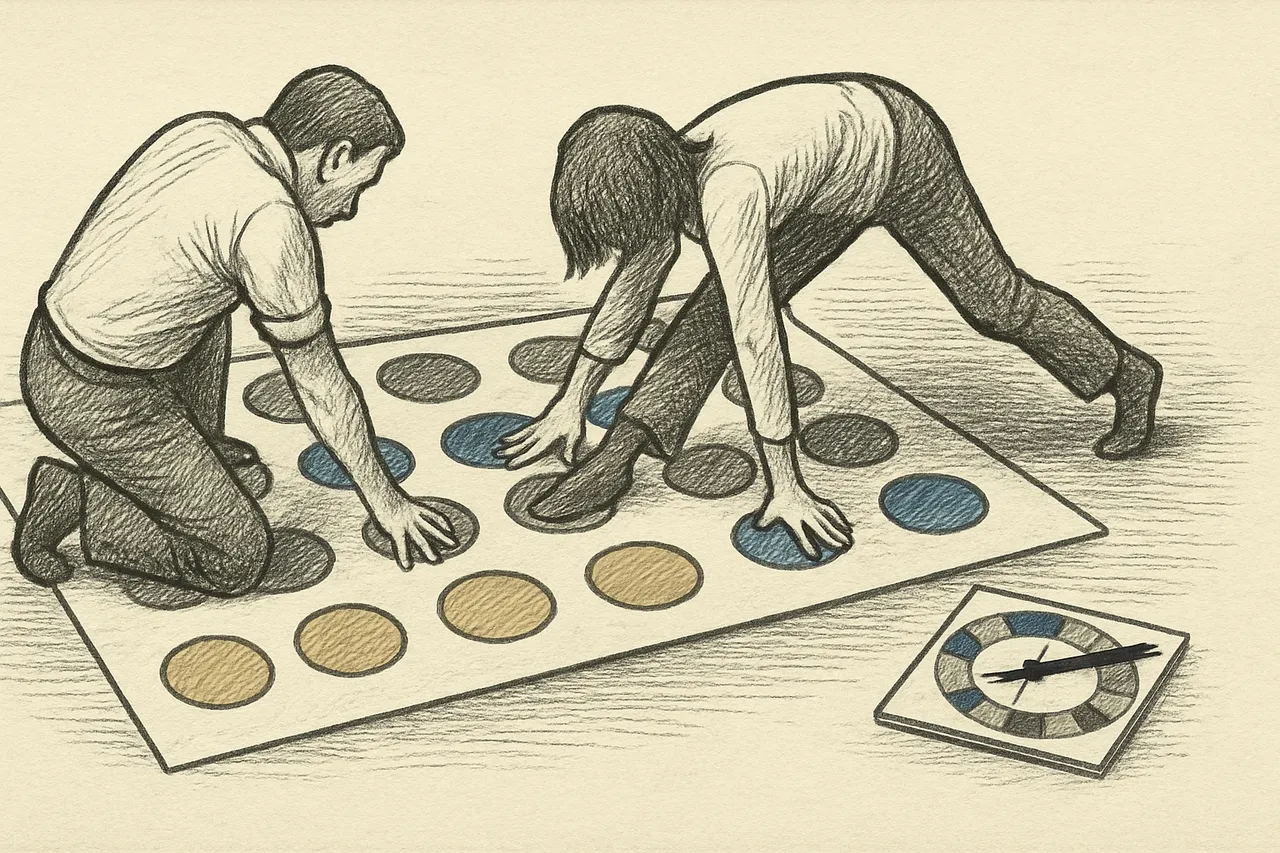
Twister's Patent Is Titled 'Apparatus for Playing a Game Wherein the Players Constitute the Game Pieces'
The patent title is the whole idea: the people are the pieces. Milton Bradley released the game in 1966, some retailers were wary of it, and critics found it a little too intimate. Then Johnny Carson played it on television with Eva Gabor, and the orders poured in.
Read the story →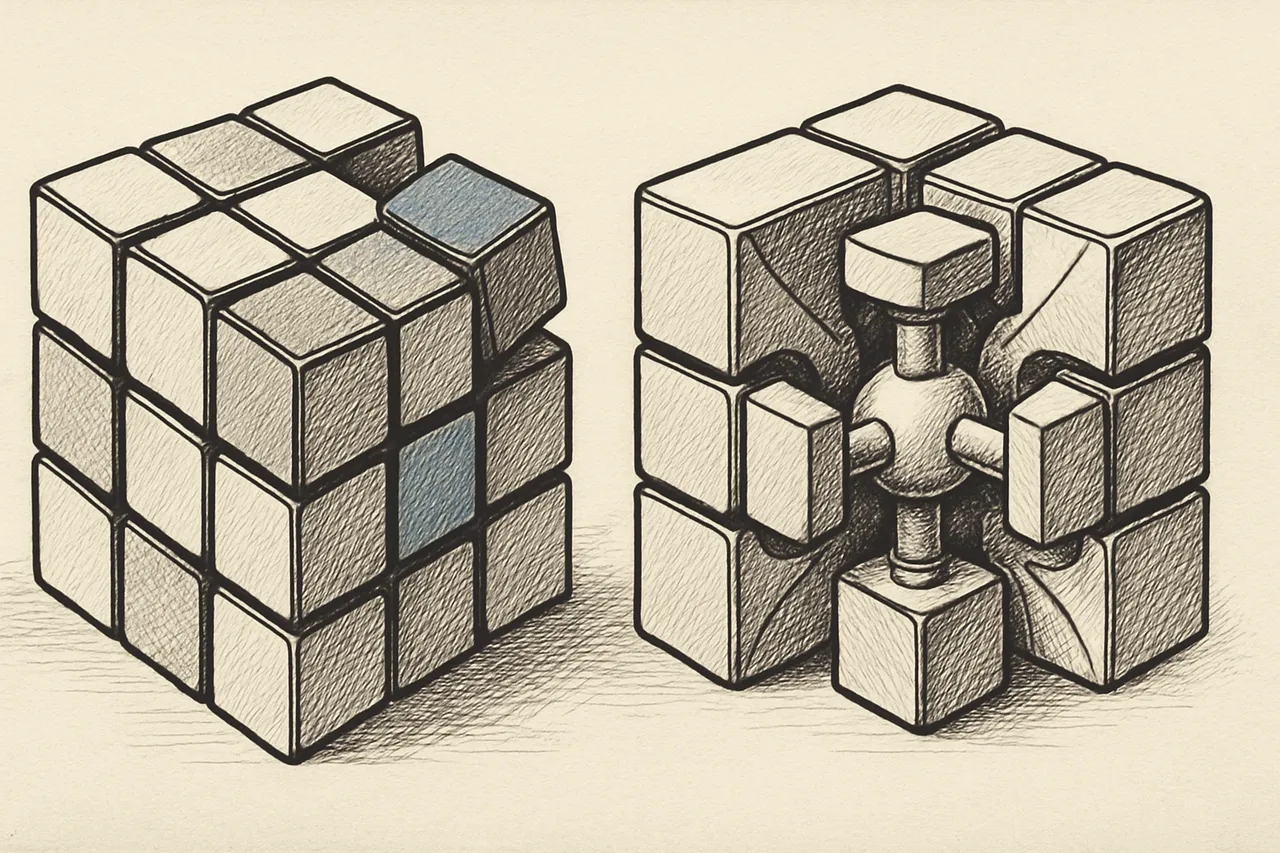
Ernő Rubik Needed About a Month to Solve His Own Cube. An American Court Later Found It Infringed an Earlier US Patent.
Rubik built the first cube in Budapest in 1974 as a way to think about three-dimensional movement. The clever part is how it holds together when most of its pieces are not attached to anything. In the United States, a chemist named Larry Nichols had patented a related puzzle in 1972, and his company sued.
Read the story →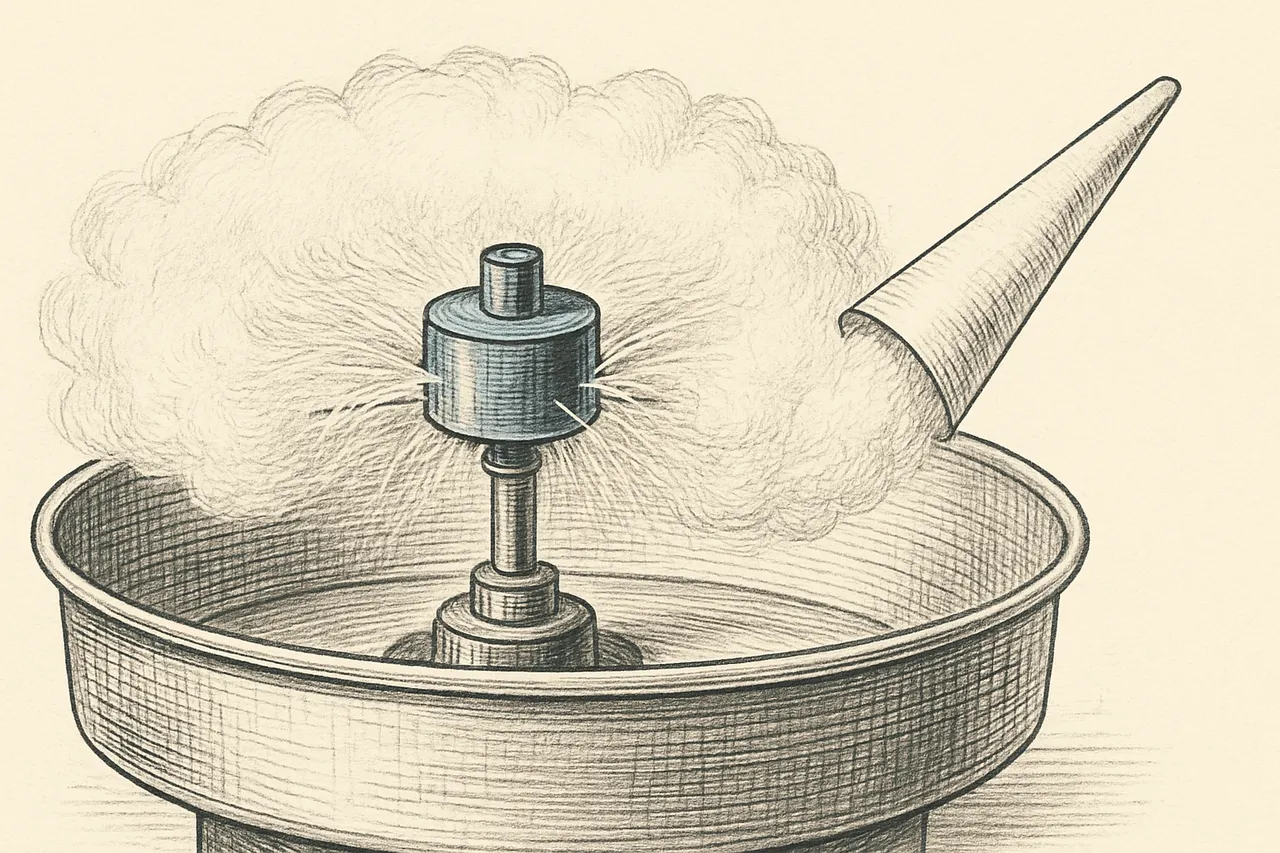
A Dentist Co-Invented the Cotton Candy Machine, and It Was Sold at the 1904 World's Fair as Fairy Floss
William Morrison was a dentist and John Wharton was a candy maker. Their machine melted sugar and flung it through tiny holes so that it cooled into threads finer than hair before it could crystallize. They filed in 1897, and at the St. Louis World's Fair it was a sensation.
Read the story →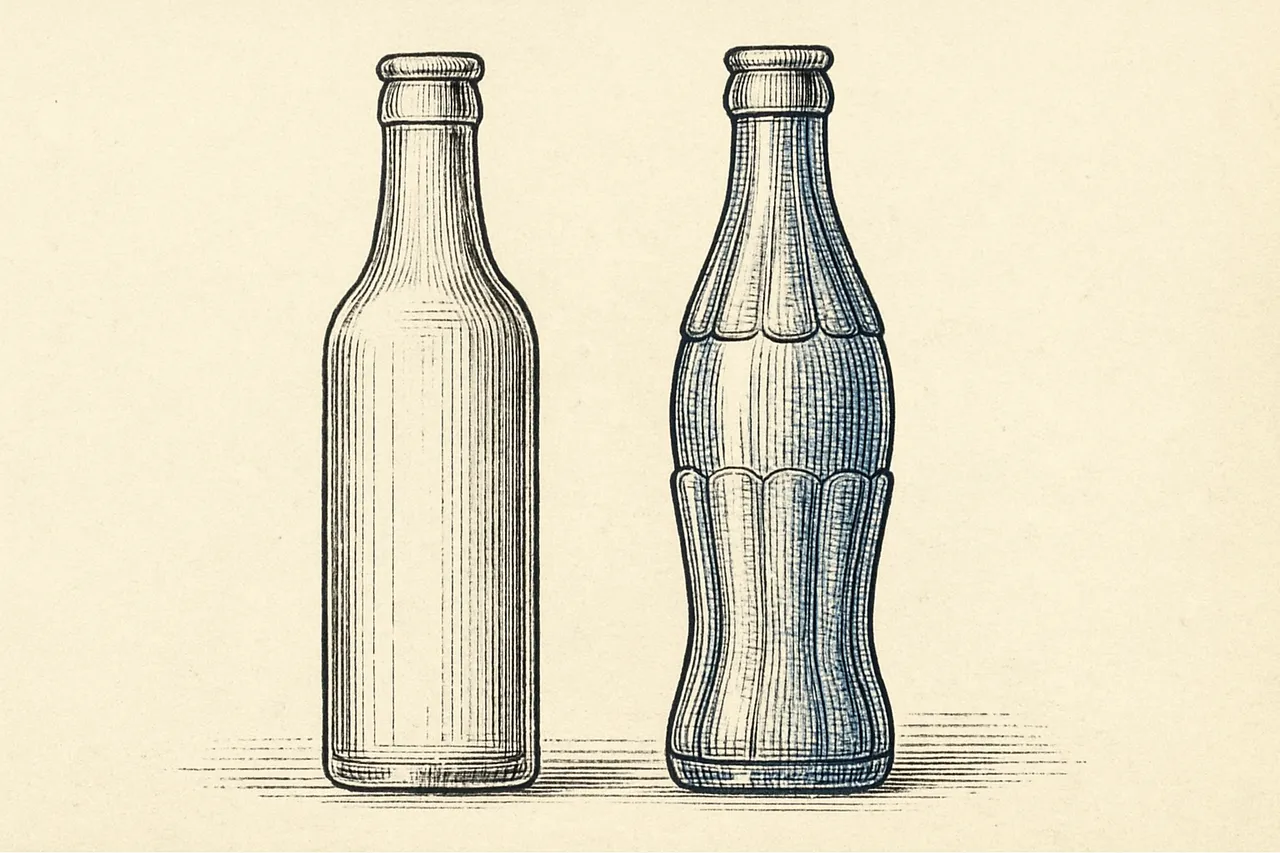
Coca-Cola Asked Glassmakers for a Bottle You Could Recognize in the Dark, or Broken on the Ground
In 1915 Coca-Cola had an imitation problem, since competitors used the same straight-sided bottles and borrowed-sounding names. It challenged glass companies to design a bottle identifiable by touch alone. The winner came from a small glassworks in Terre Haute, Indiana, and the name on the patent is not the name of the man who drew it.
Read the story →