The Lawn Mower Is a Carpet Mill Machine Somebody Pointed at the Ground
Edwin Budding worked in an English textile mill where a bladed cylinder trimmed the nap off finished cloth. He decided grass was the same problem lying down. Amariah Hills brought the reel mower to America in 1868.
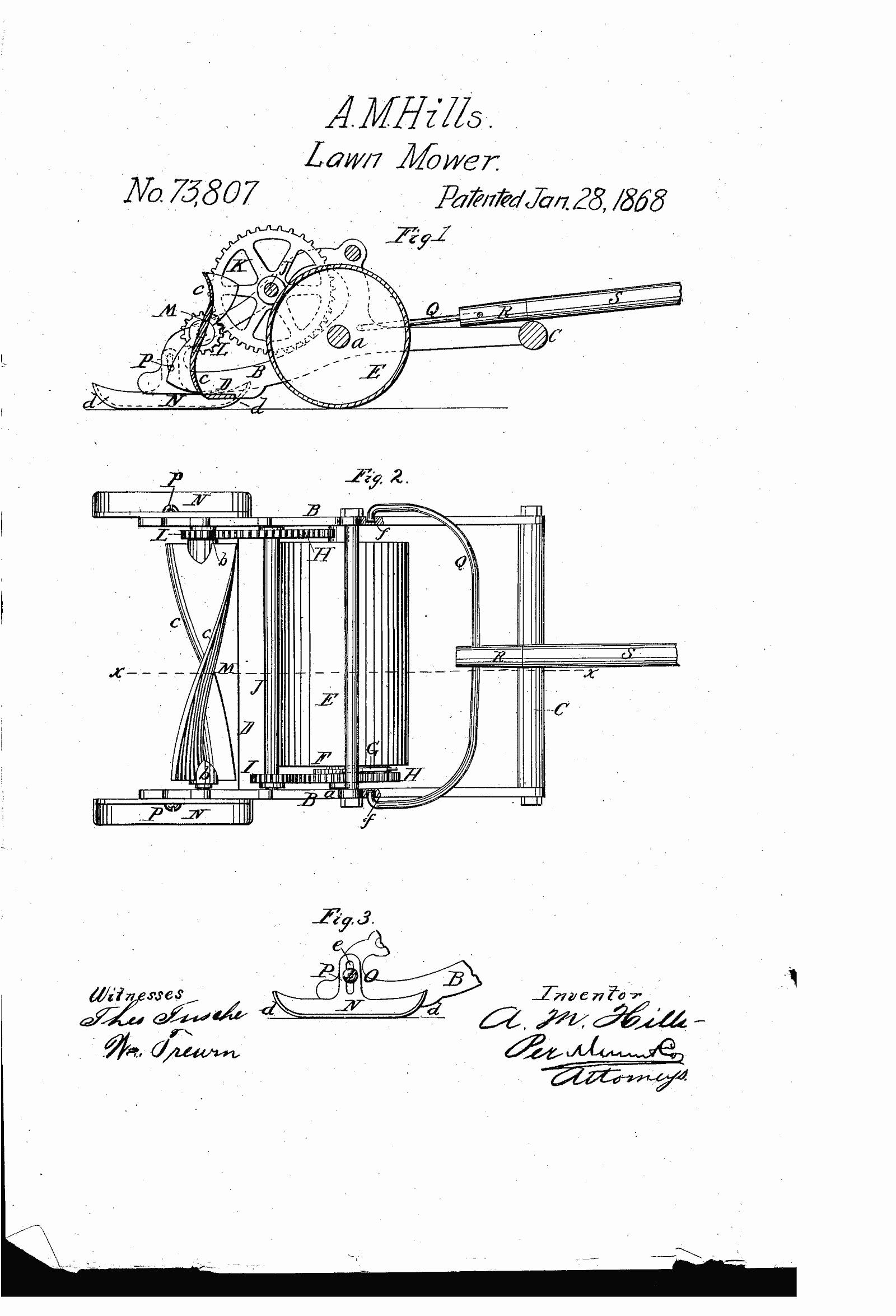
US73807 was granted to Amariah M. Hills of Hockanum, Connecticut, on January 28, 1868, for a lawn mower. Hills went on to found the Archimedean Lawn Mower Company, and his patent is generally taken as the start of American mower manufacturing.
The machine itself came from a cloth mill.
Nap and grass
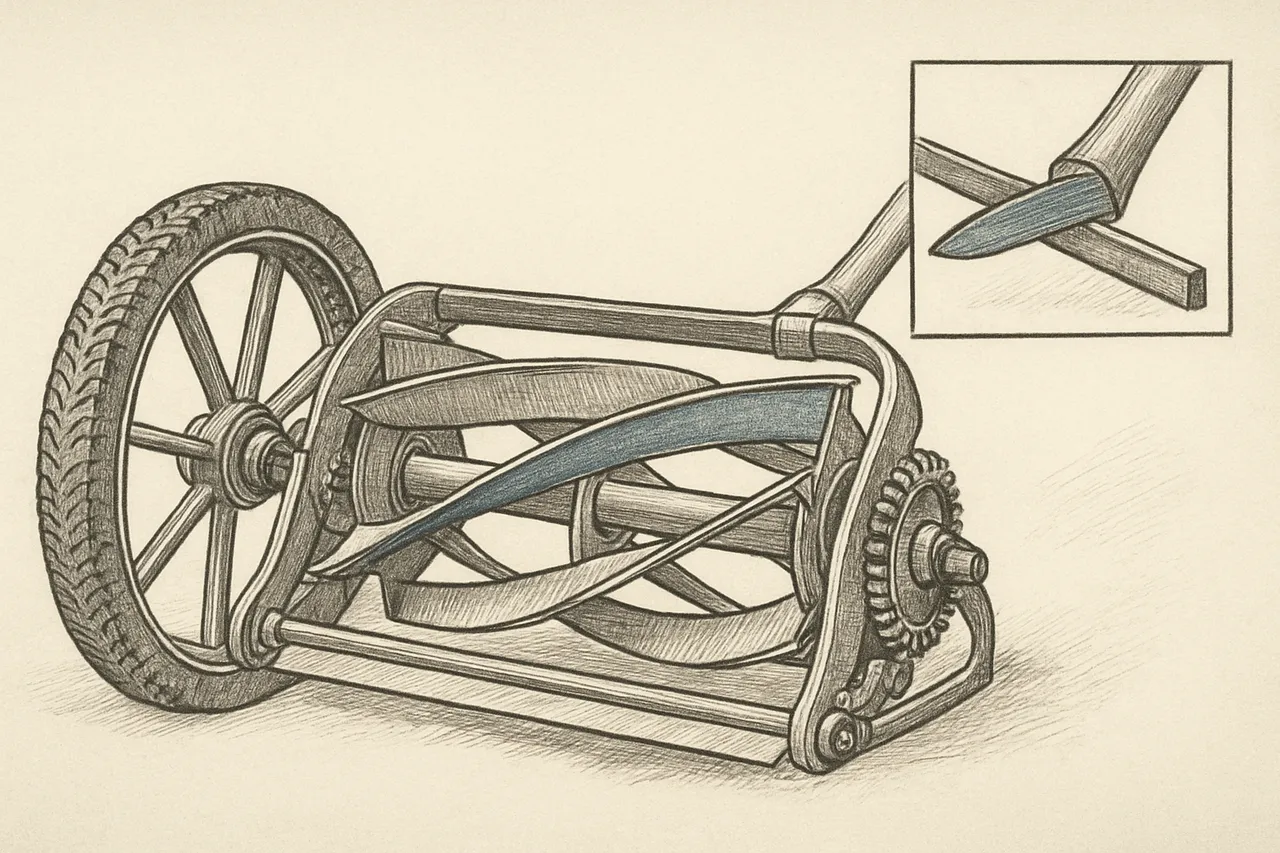
Edwin Beard Budding worked at a textile mill in Stroud, England, in the 1820s. Woolen cloth of the period came off the loom with a rough surface, and finishing it meant shearing that nap to a uniform height. The mill used a machine with a rotating cylinder of helical blades running against a fixed straight blade, so that the two edges passed each other like scissors and clipped the fibers cleanly at a set height.
Budding looked at that and saw a lawn. Grass is a surface of fibers that needs to be cut to a uniform height without tearing, which is exactly the problem the cloth shear had already solved. He patented the reel mower in Britain in 1830.
The scissor action matters. A reel mower does not smash the grass, it cuts it between two edges, which is why a well-set reel mower leaves a cleaner cut than a rotary mower and why golf greens are still cut with cylinders.
What it replaced
Before mowers, keeping grass short meant a scythe or livestock.
A scythe cuts well but demands real skill. A good scythesman works in the early morning while dew weighs the grass down, swings from the hips, and stops constantly to hone the blade. Cutting a large lawn evenly took a trained laborer most of a day, and an untrained one could not do it at all.
That is the actual social consequence buried in the patent. A large, close-cropped lawn had been a display of wealth precisely because it required staff. A machine an ordinary person could push on a Saturday made the lawn available to anyone with a house and a yard, which is a large part of why American suburbs look the way they do.
The engine
Hills and his competitors sold ground-driven reel mowers for decades. The wheels turn gearing that spins the cylinder, so the machine cuts only when you push it, and the effort comes out of your legs.
Gasoline rotary mowers arrived in the twentieth century and took over the consumer market, because a spinning horizontal blade is cheaper to build, handles tall or wet grass without jamming, and does not need precise blade-to-bar adjustment. It also tears rather than shears, throws debris, and is responsible for a large annual injury count.
The reel mower never disappeared. Groundskeepers who care about cut quality still use cylinders, and push reel mowers sell steadily to people who want a quiet machine with no fuel in it.
See the original
The full text and figures of US73807 are on Google Patents.
Related stories
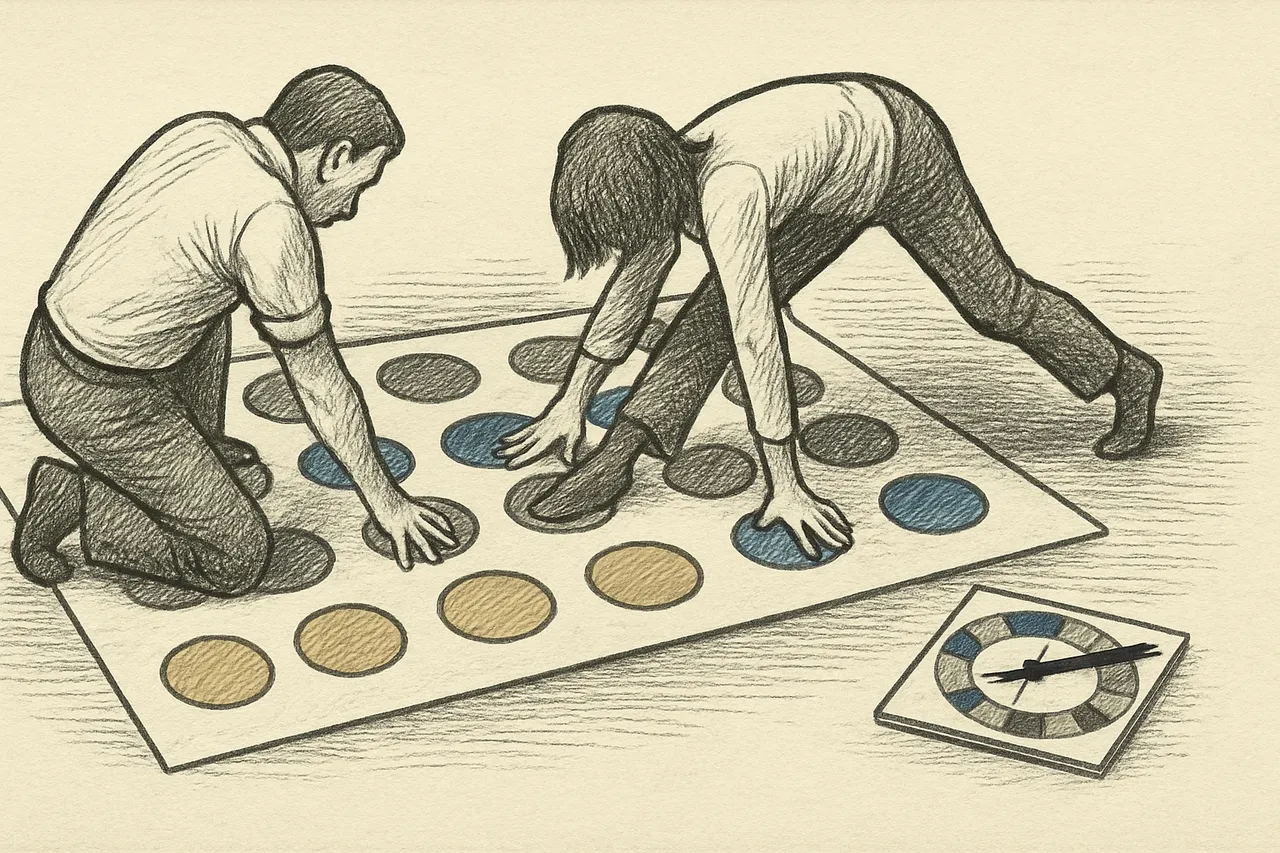
Twister's Patent Is Titled 'Apparatus for Playing a Game Wherein the Players Constitute the Game Pieces'
The patent title is the whole idea: the people are the pieces. Milton Bradley released the game in 1966, some retailers were wary of it, and critics found it a little too intimate. Then Johnny Carson played it on television with Eva Gabor, and the orders poured in.
Read the story →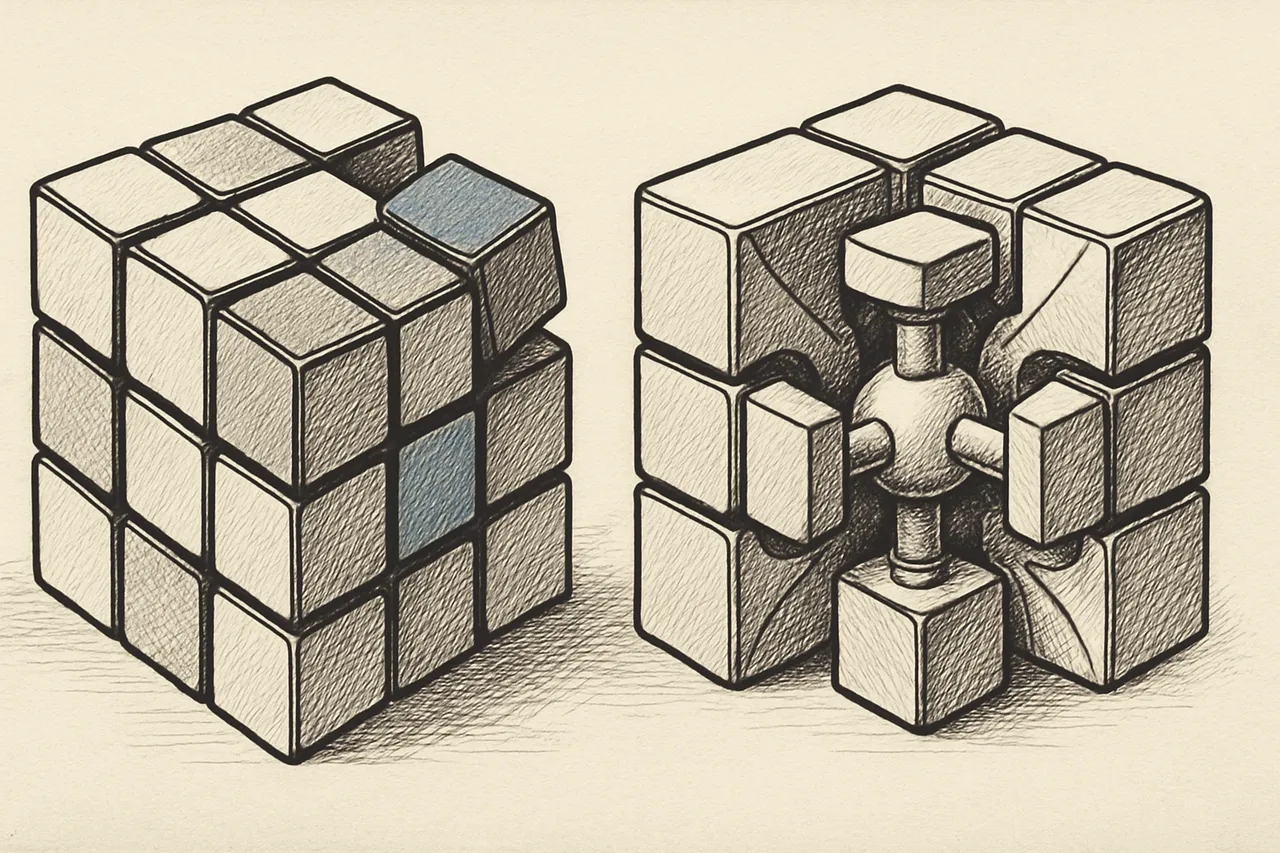
Ernő Rubik Needed About a Month to Solve His Own Cube. An American Court Later Found It Infringed an Earlier US Patent.
Rubik built the first cube in Budapest in 1974 as a way to think about three-dimensional movement. The clever part is how it holds together when most of its pieces are not attached to anything. In the United States, a chemist named Larry Nichols had patented a related puzzle in 1972, and his company sued.
Read the story →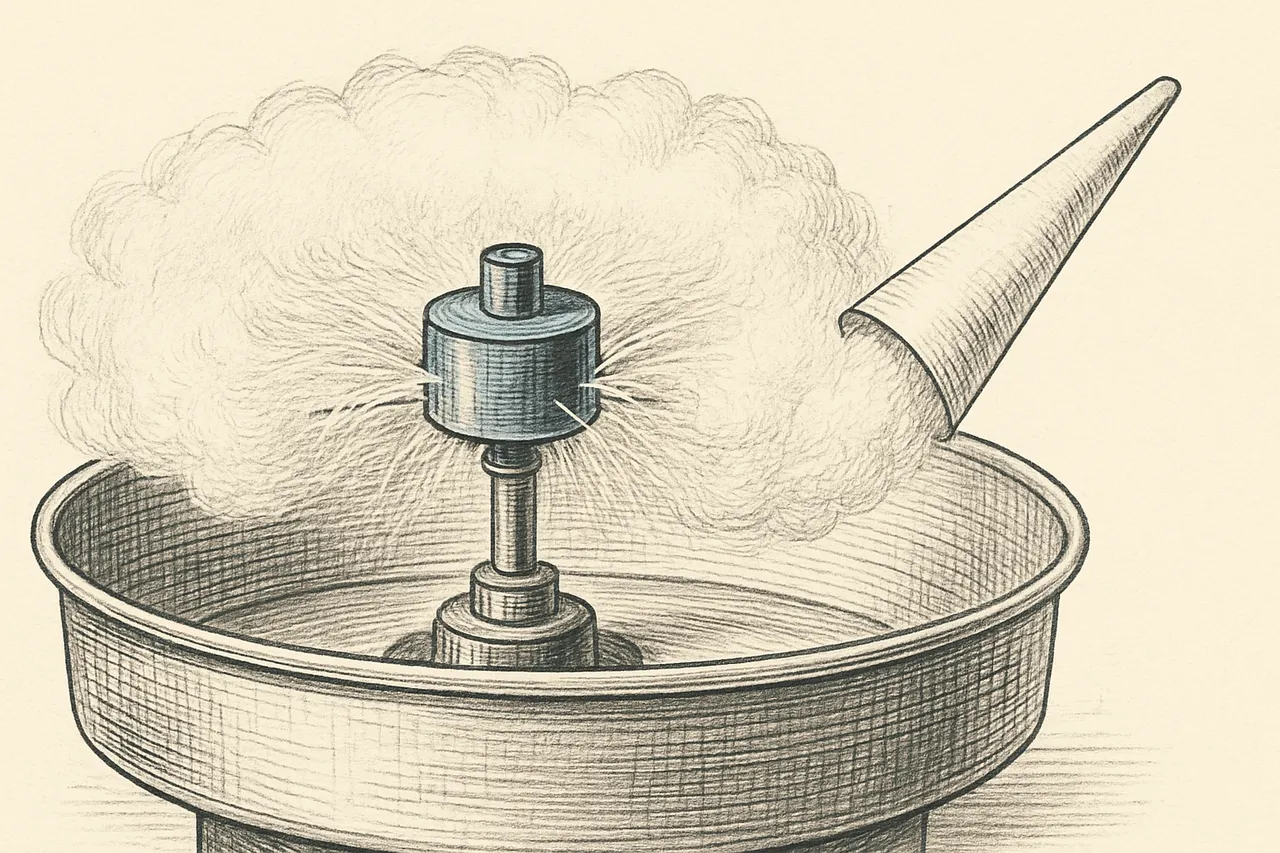
A Dentist Co-Invented the Cotton Candy Machine, and It Was Sold at the 1904 World's Fair as Fairy Floss
William Morrison was a dentist and John Wharton was a candy maker. Their machine melted sugar and flung it through tiny holes so that it cooled into threads finer than hair before it could crystallize. They filed in 1897, and at the St. Louis World's Fair it was a sensation.
Read the story →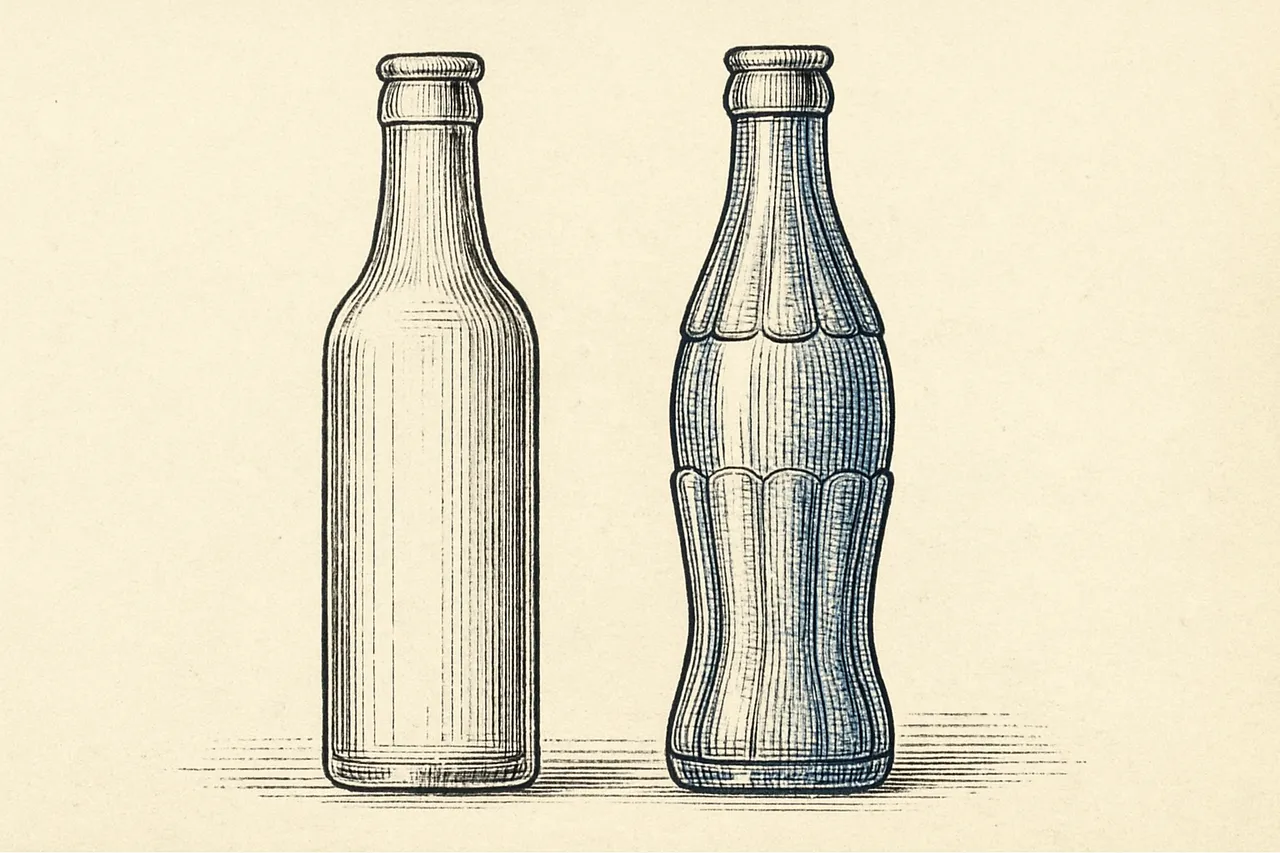
Coca-Cola Asked Glassmakers for a Bottle You Could Recognize in the Dark, or Broken on the Ground
In 1915 Coca-Cola had an imitation problem, since competitors used the same straight-sided bottles and borrowed-sounding names. It challenged glass companies to design a bottle identifiable by touch alone. The winner came from a small glassworks in Terre Haute, Indiana, and the name on the patent is not the name of the man who drew it.
Read the story →