Frank Zamboni Spent Years Building a Machine So His Ice Rink Didn't Need a Crew of Men With Scrapers
Frank Zamboni ran an ice rink in Southern California, and resurfacing the ice by hand took several workers more than an hour. His machine did the whole job in a single pass. Its most important trick is the one people least expect: it lays down warm water, not cold.
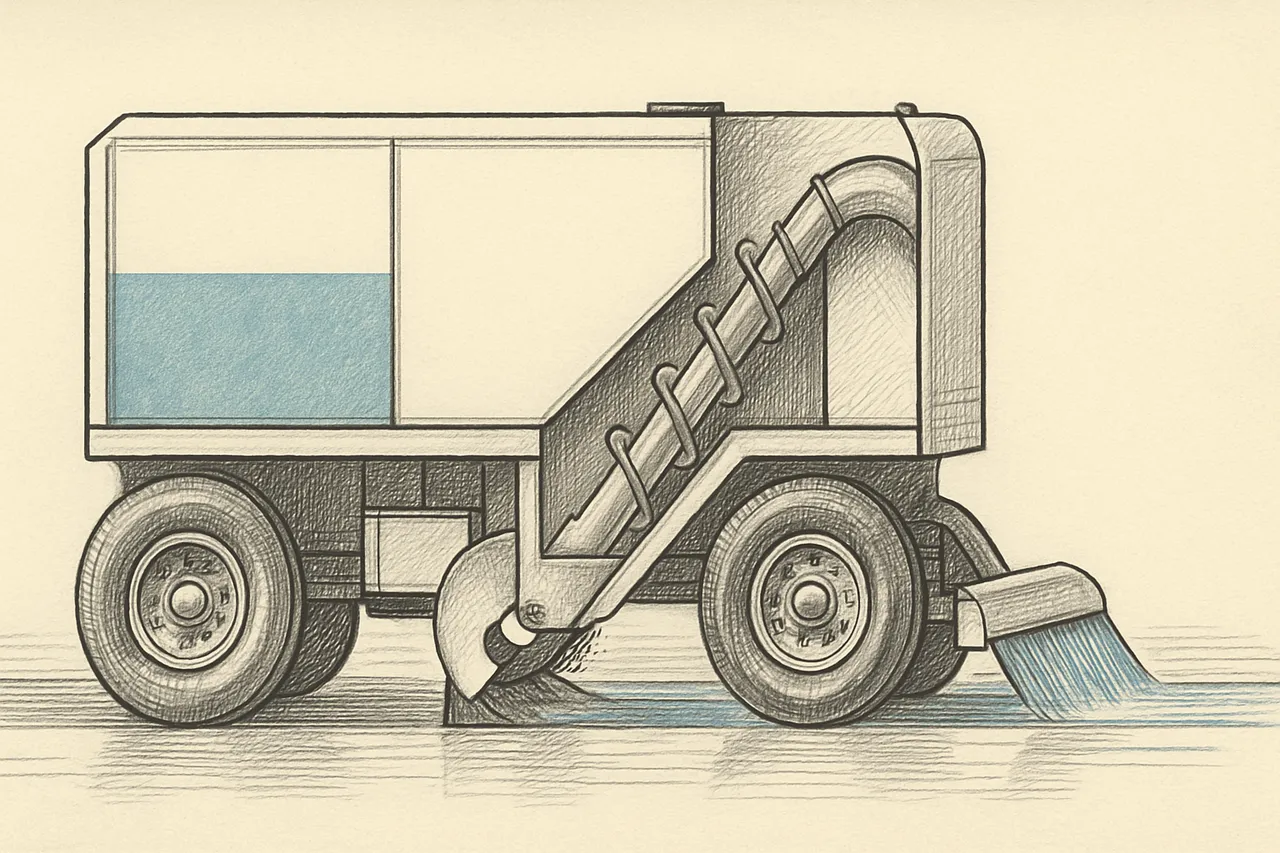
US2642679 was filed by Frank J. Zamboni on May 16, 1949, and granted in 1953. The Patent Office title is Ice Rink Resurfacing Machine. Zamboni is now a trademark so familiar that most people use it as the generic name for the machine, which the company has spent years politely correcting.
The rink
Frank Zamboni grew up on a farm in Idaho and moved to Southern California, where he and his brother ran an electrical business and then a plant that made block ice, used to keep produce cold in shipment. That second business gave him a detailed practical understanding of how water freezes.
As electric refrigeration made block ice less necessary, the brothers looked for another use for what they knew. In 1940 they opened Paramount Iceland, a large skating rink in Paramount, California.
Running a rink turned out to involve a constant, expensive chore.
The job being replaced
Skating destroys an ice surface quickly. Blades cut grooves, gouge chips, and leave a rough layer of snow. After a session the ice has to be restored, and before Zamboni's machine that was done by hand.
The usual process took a small crew. A tractor dragged a scraper over the ice to shave off the rough top layer. Workers shoveled up the shavings. Water was sprayed over the surface, squeegeed to clear away debris, and then everyone waited for the new layer to freeze. The whole procedure took more than an hour, and the rink was not earning money while it happened.
Zamboni wanted one machine, operated by one person, that did all of it at once.
Seven years of prototypes
He started working on it in the early 1940s, and it took years to get right. The first several versions did not work. He built the machine that finally succeeded, the Model A, largely from war-surplus parts, including components taken from a Jeep. It was finished in 1949, the same year he filed the patent.
The machine does the entire resurfacing sequence in a single pass as it drives across the rink.
A sharp horizontal blade at the rear shaves a thin layer off the top of the ice. A screw conveyor gathers the shavings and carries them up into a snow tank on the machine. Water is sprayed to wash out the grooves, and the dirty water is picked back up. Finally a cloth spreader lays down a thin, even film of clean water that freezes into a smooth new surface.
Why the water is warm
This is the part of the process that surprises people, and it is where Zamboni's background in making ice shows.
The water laid down at the end is warm, not cold. Cold water sitting on top of ice freezes as a separate layer that does not bond well to the surface below, and it traps small air bubbles that make the ice cloudy and weaker. Warm water melts the very top of the existing ice slightly, so the new layer fuses with the old one instead of sitting on it. Warm water also holds less dissolved air, so the fresh layer freezes clearer and harder.
It seems like the wrong choice for making ice. It is the reason the surface ends up smooth.
Sonja Henie
The machine could have stayed a clever local solution. What changed that was Sonja Henie, the Norwegian Olympic figure skating champion and film star, who practiced at Paramount Iceland. She saw the machine at work and ordered one for her touring ice show.
A show that traveled from city to city, skating on rinks of varying quality, had an obvious use for a machine that could produce a good surface quickly anywhere. Word spread through the skating world from there, and the company went into regular production.
Frank Zamboni died in 1988. The company is still run by his family, and the machines still follow the sequence in his patent: shave, collect, wash, and lay down warm water.
See the original
The full text and figures of US2642679 are on patents.us.
Related stories
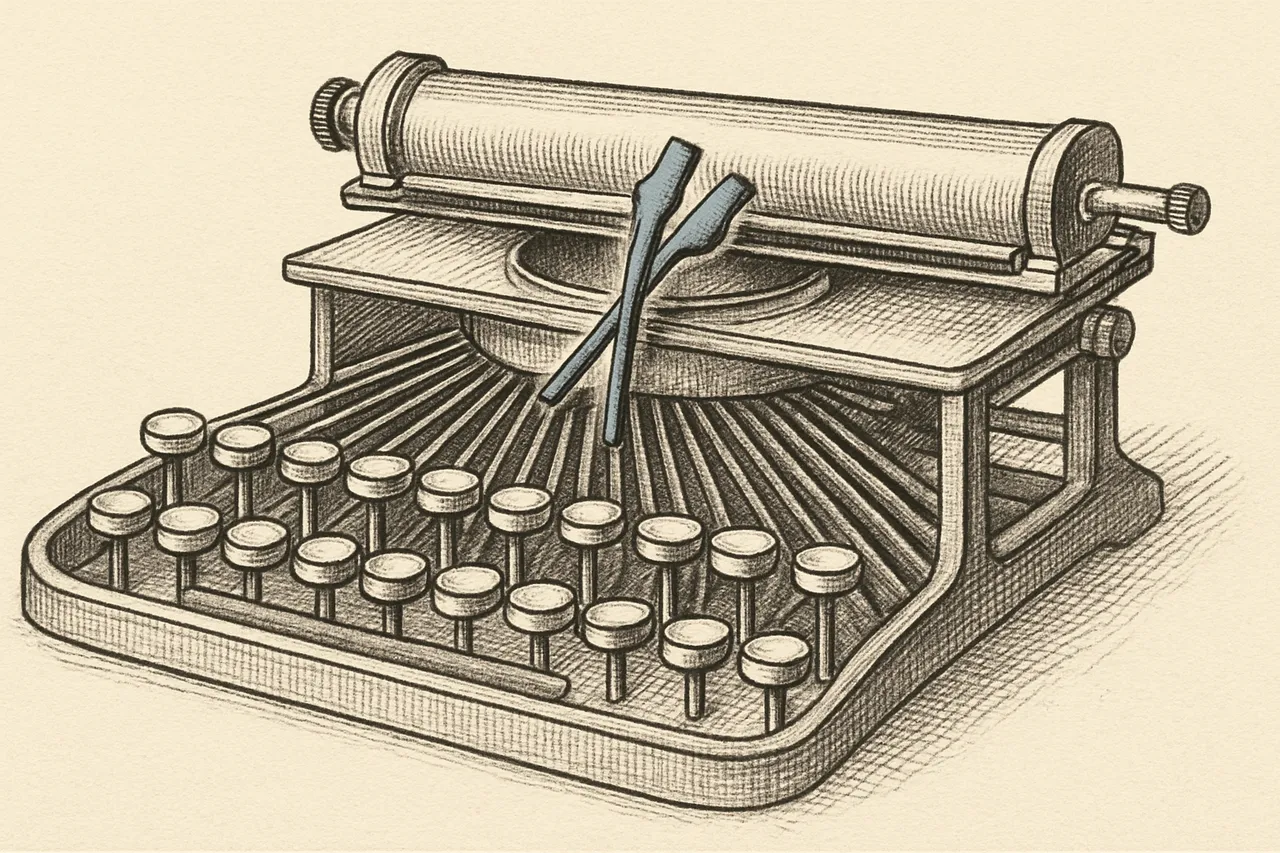
The 1868 Patent Behind the First Successful Typewriter Had Its Keys in Alphabetical Order. QWERTY Came Later, and Nobody Fully Agrees Why.
Christopher Latham Sholes and two partners patented a typewriter in Milwaukee in 1868 with keys arranged like a piano, roughly in alphabetical order. Over the next several years the letters were shuffled into QWERTY. The popular explanation for that is a distortion of a better one.
Read the story →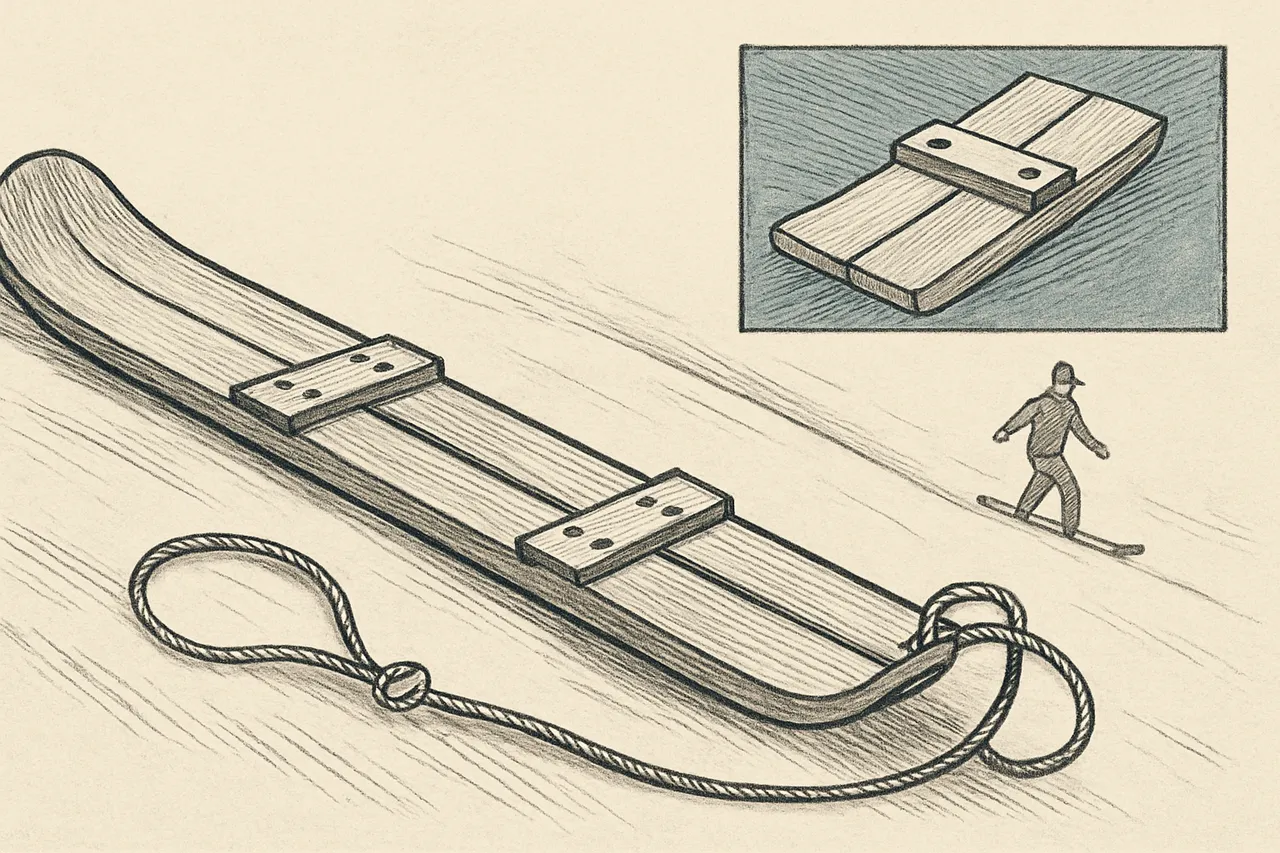
A Father Fastened Two Skis Together for His Daughter at Christmas in 1965. His Wife Named It the Snurfer.
Sherman Poppen was an engineer in Muskegon, Michigan, trying to keep his daughter busy over the holiday. He joined two children's skis side by side and tied a rope to the front. It sold as a toy by the hundreds of thousands, and the people who raced it turned it into a sport.
Read the story →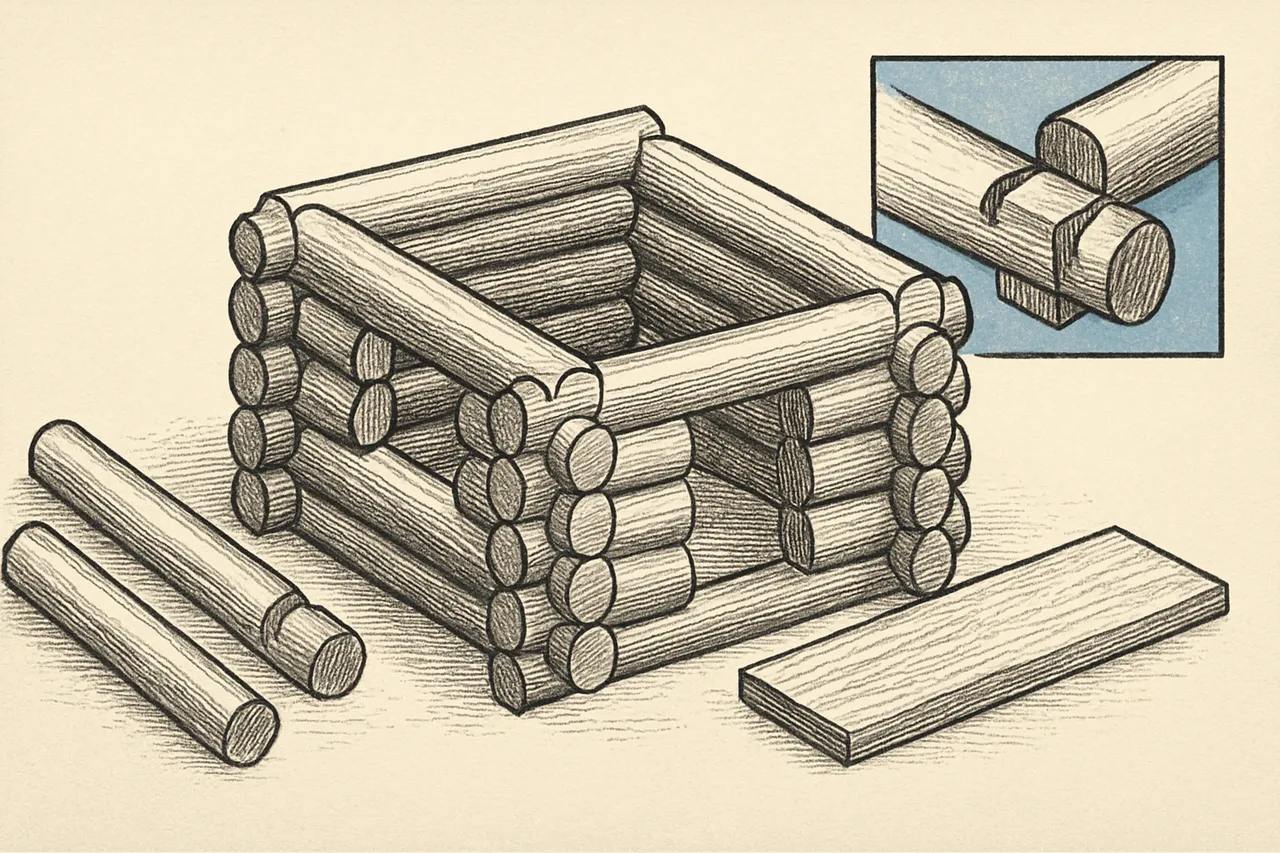
Frank Lloyd Wright's Son Came Home From a Hotel Project in Tokyo and Patented a Log Cabin You Could Build on the Floor
John Lloyd Wright worked with his famous father on the Imperial Hotel in Tokyo, a building designed to survive earthquakes. Back in the United States he began selling a toy made of notched wooden logs, and named it after the most famous log cabin in American history.
Read the story →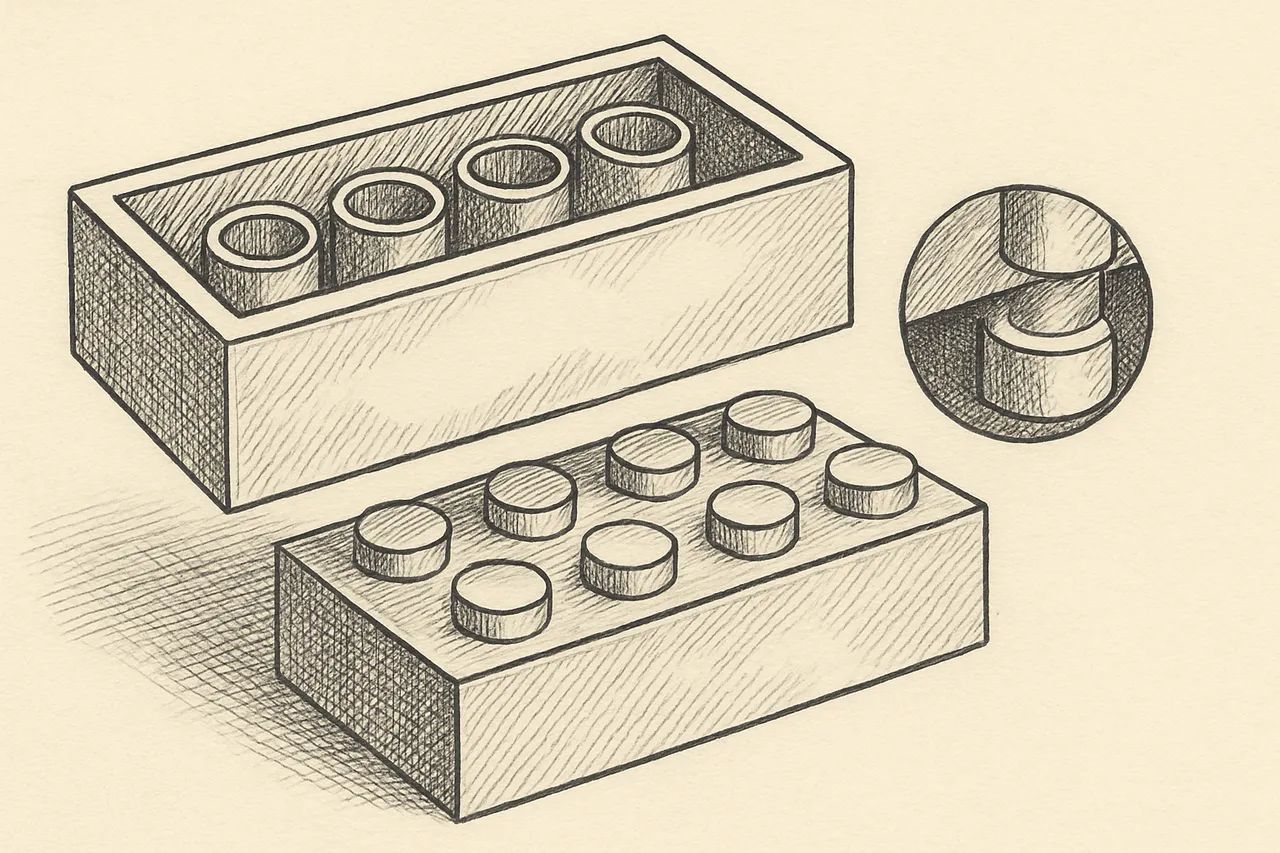
LEGO Bricks Were on Sale for Nine Years Before They Held Together Properly. The Fix Was a Row of Hollow Tubes.
The first LEGO bricks had studs on top and an empty space underneath, so models tended to come apart when you picked them up. Godtfred Kirk Christiansen's 1958 design put tubes inside the brick, and a brick molded that year still fits one molded today.
Read the story →