Stories from the patent record
Unusual, notable, and historically significant US patents — the inventions that changed everything, the ones that were never built, and a few that should never have been granted.
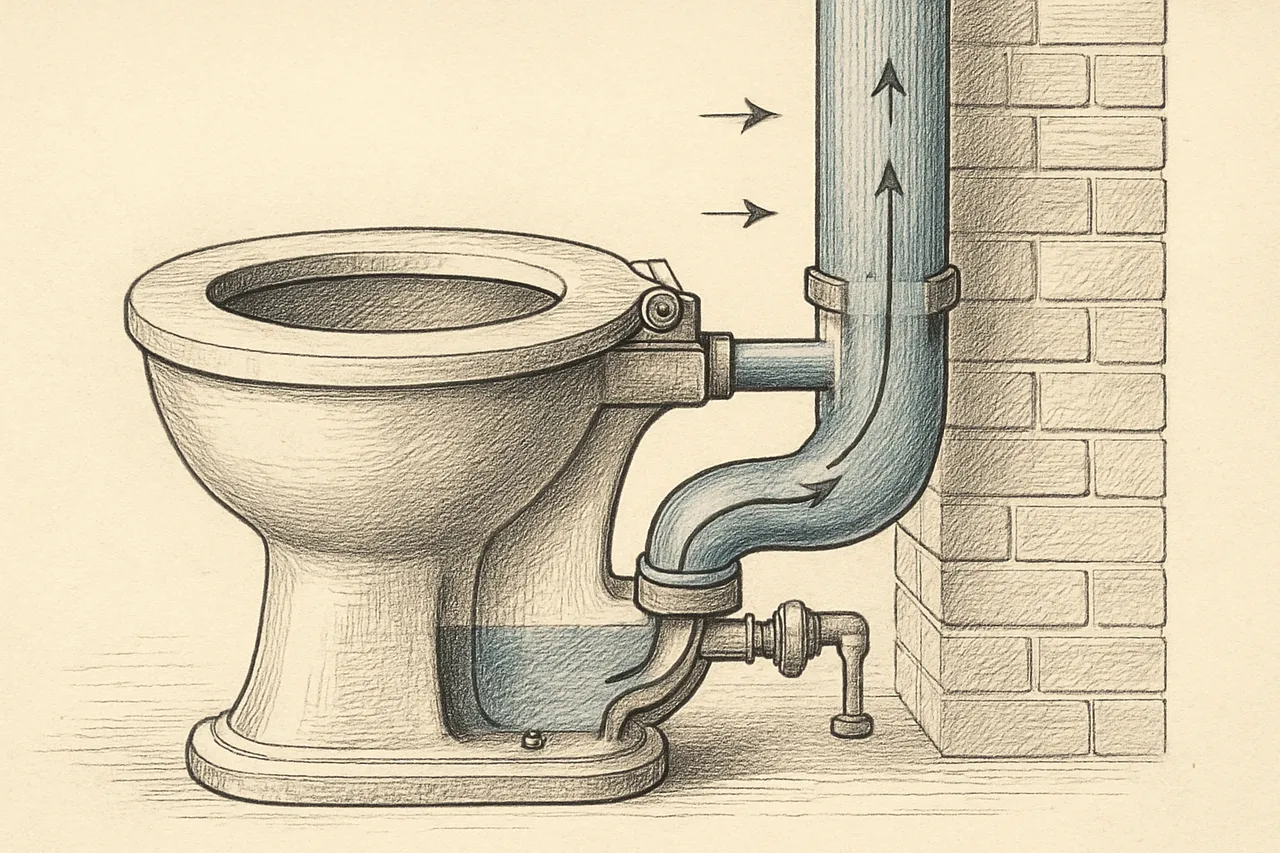
A Toilet for Automatically Exhausting Odious Air
An 1898 patent for a self-venting toilet seat that drew foul air directly into the chimney — a Victorian solution to a Victorian problem.
Read the story →Recent stories
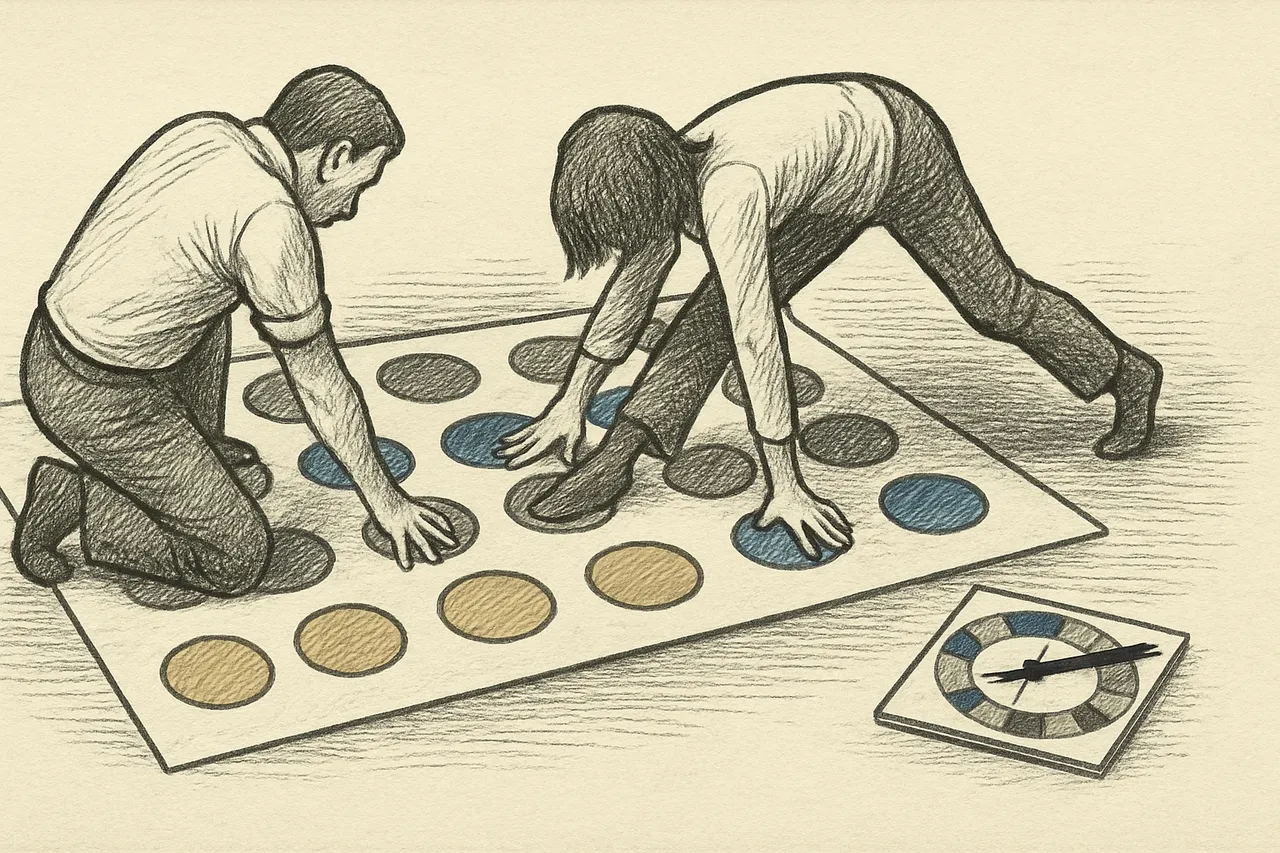
Twister's Patent Is Titled 'Apparatus for Playing a Game Wherein the Players Constitute the Game Pieces'
The patent title is the whole idea: the people are the pieces. Milton Bradley released the game in 1966, some retailers were wary of it, and critics found it a little too intimate. Then Johnny Carson played it on television with Eva Gabor, and the orders poured in.
Read the story →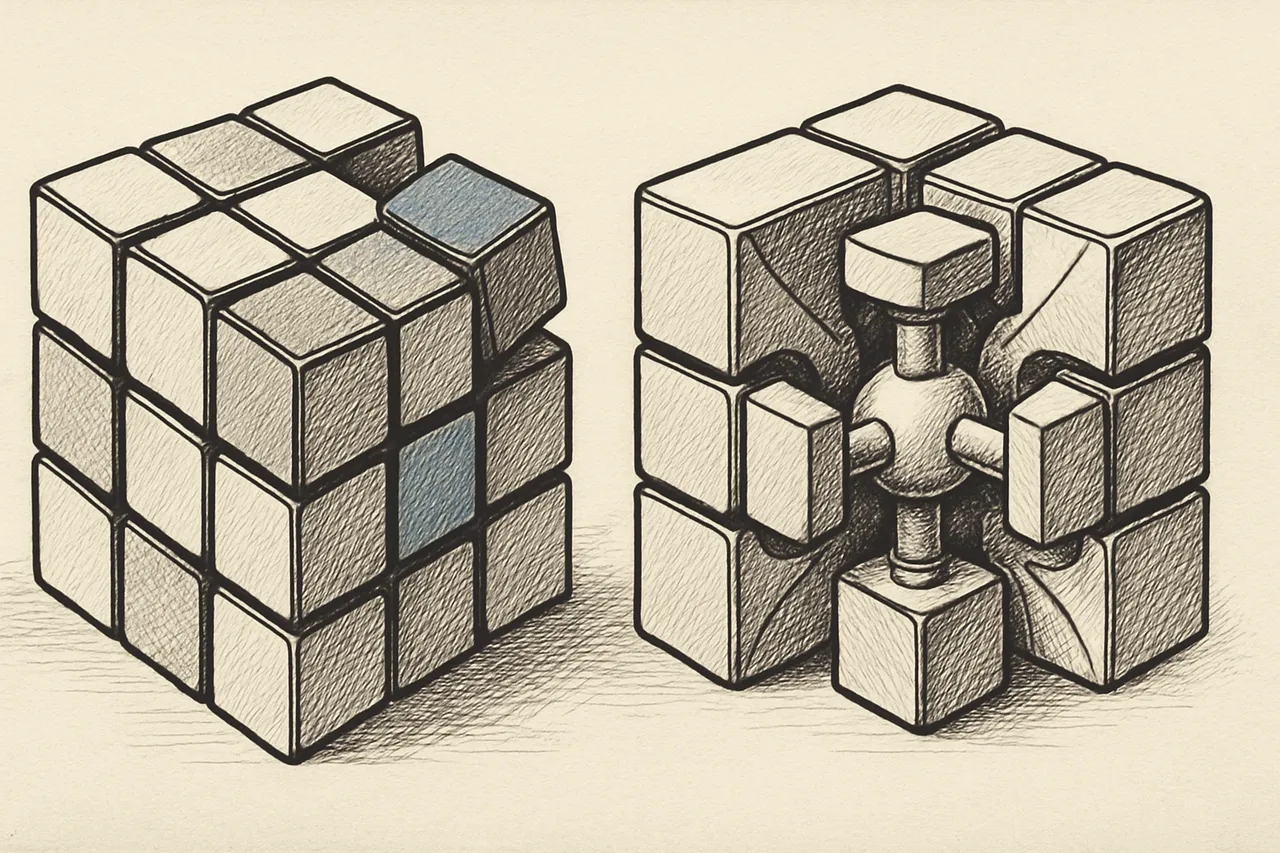
Ernő Rubik Needed About a Month to Solve His Own Cube. An American Court Later Found It Infringed an Earlier US Patent.
Rubik built the first cube in Budapest in 1974 as a way to think about three-dimensional movement. The clever part is how it holds together when most of its pieces are not attached to anything. In the United States, a chemist named Larry Nichols had patented a related puzzle in 1972, and his company sued.
Read the story →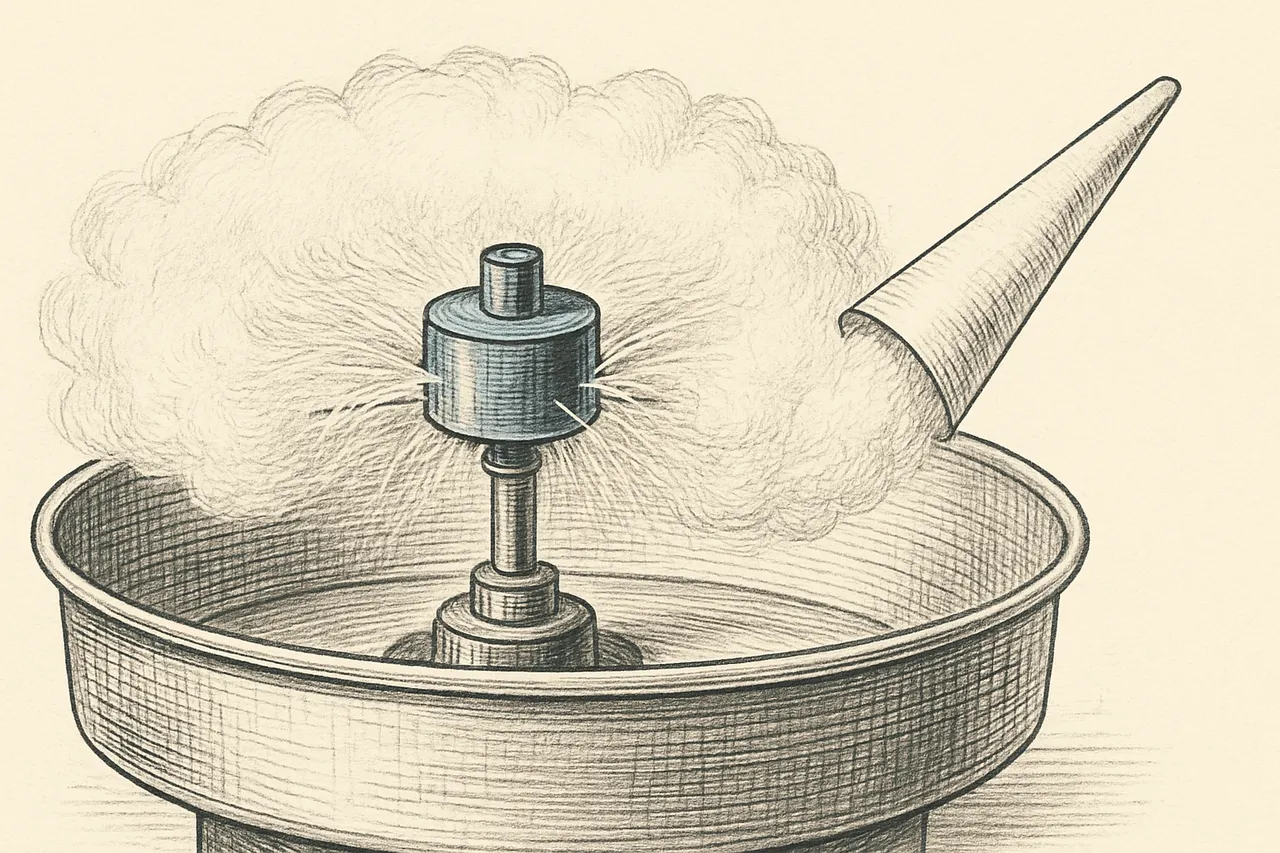
A Dentist Co-Invented the Cotton Candy Machine, and It Was Sold at the 1904 World's Fair as Fairy Floss
William Morrison was a dentist and John Wharton was a candy maker. Their machine melted sugar and flung it through tiny holes so that it cooled into threads finer than hair before it could crystallize. They filed in 1897, and at the St. Louis World's Fair it was a sensation.
Read the story →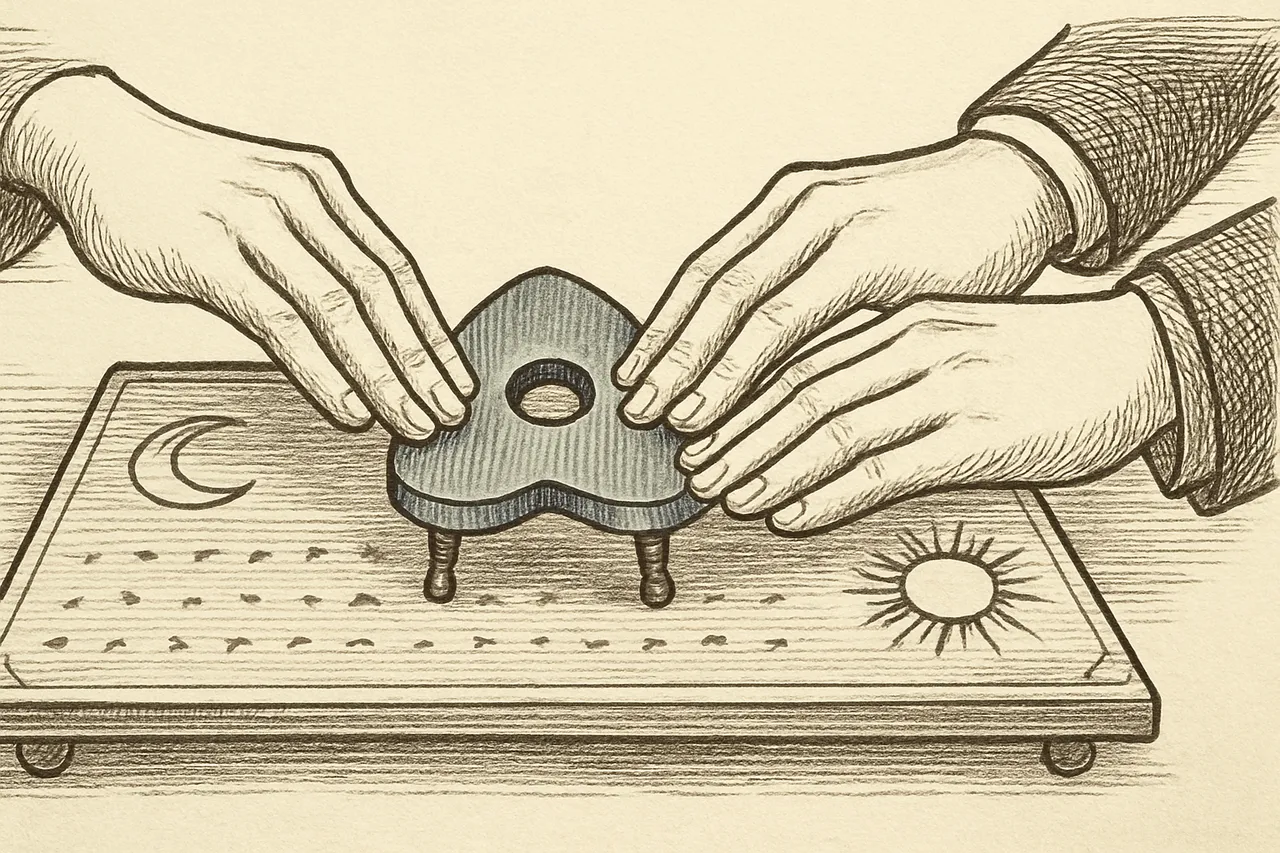
The Ouija Board's 1891 Patent Calls It an 'Egyptian Luck-Board' and Never Says How It Works
Elijah Bond's patent describes a board and a small pointer on legs, and makes no claim about what moves the pointer. The popular legend says the patent examiner demanded a demonstration first. The science, worked out decades before the patent, says the players are moving it themselves without realizing it.
Read the story →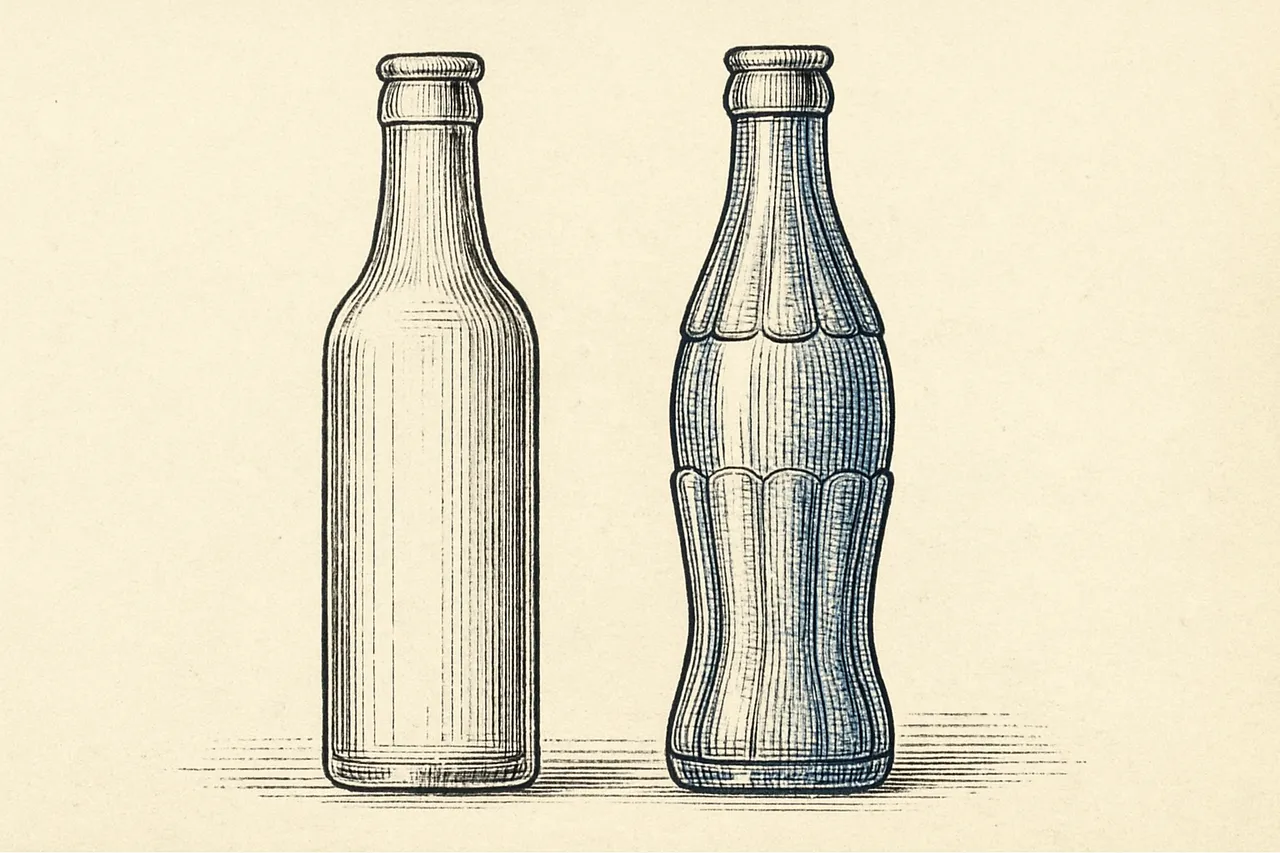
Coca-Cola Asked Glassmakers for a Bottle You Could Recognize in the Dark, or Broken on the Ground
In 1915 Coca-Cola had an imitation problem, since competitors used the same straight-sided bottles and borrowed-sounding names. It challenged glass companies to design a bottle identifiable by touch alone. The winner came from a small glassworks in Terre Haute, Indiana, and the name on the patent is not the name of the man who drew it.
Read the story →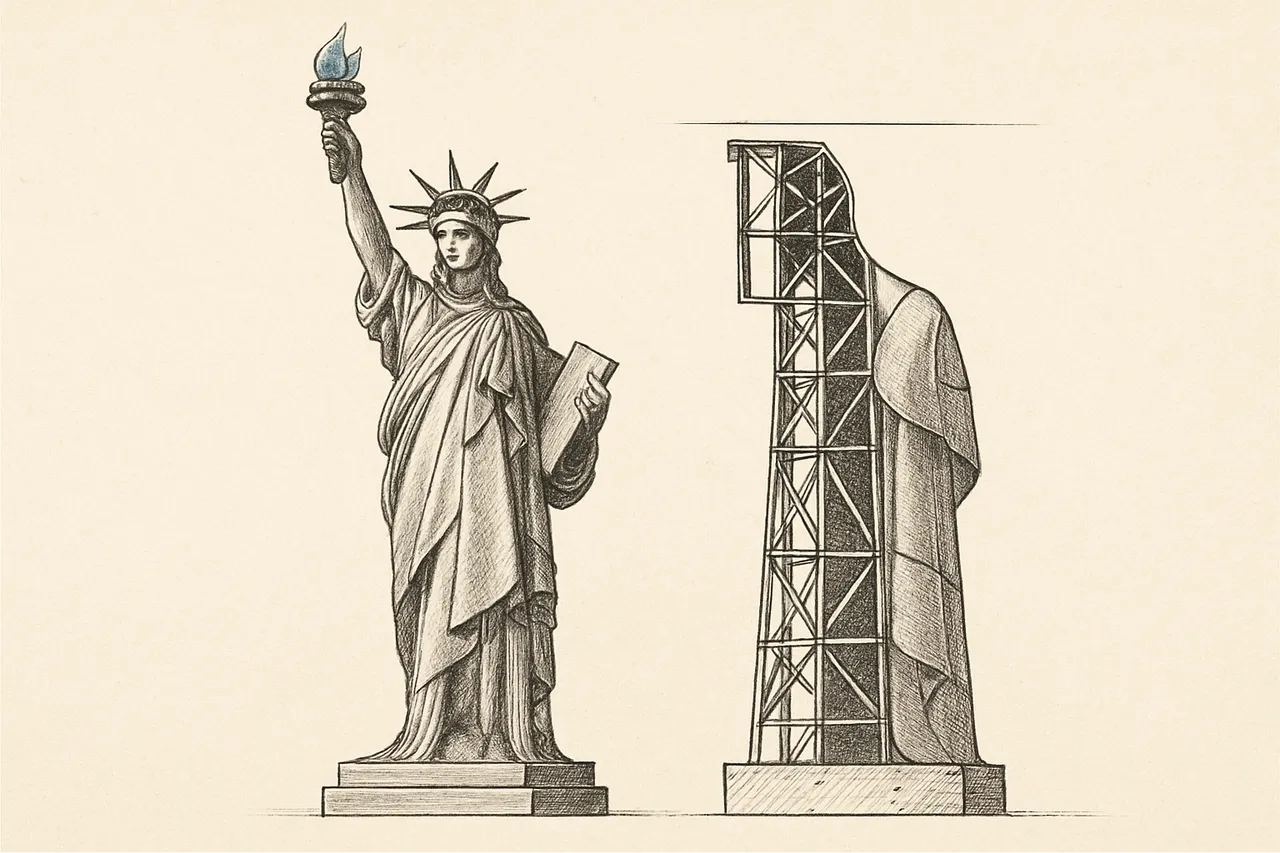
The Statue of Liberty Was Patented in 1879, Seven Years Before It Was Dedicated
Auguste Bartholdi received US Design Patent 11,023 in February 1879 for a statue that would not stand in New York Harbor until 1886. Replicas were a fundraising tool for a project that was chronically short of money, and a design patent gave control over who could legally make them.
Read the story →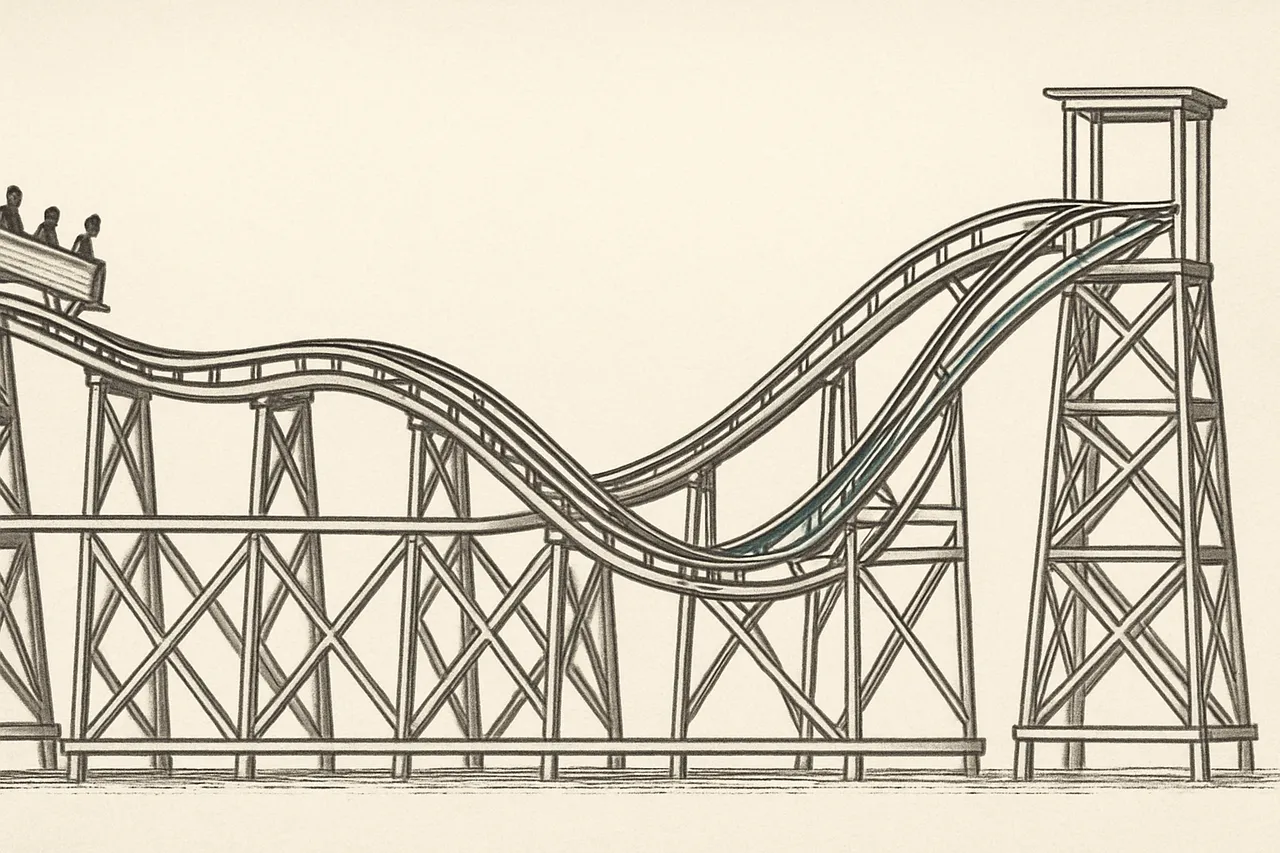
The First American Roller Coaster Ran at Six Miles an Hour, and Its Inventor Built It to Lure People Away From Saloons
LaMarcus Thompson's Switchback Railway opened at Coney Island in 1884. Riders sat sideways on a bench, coasted down a gentle undulating track, then got out while attendants pushed the car over a switch so they could coast back the other way. It cost a nickel and it made a fortune.
Read the story →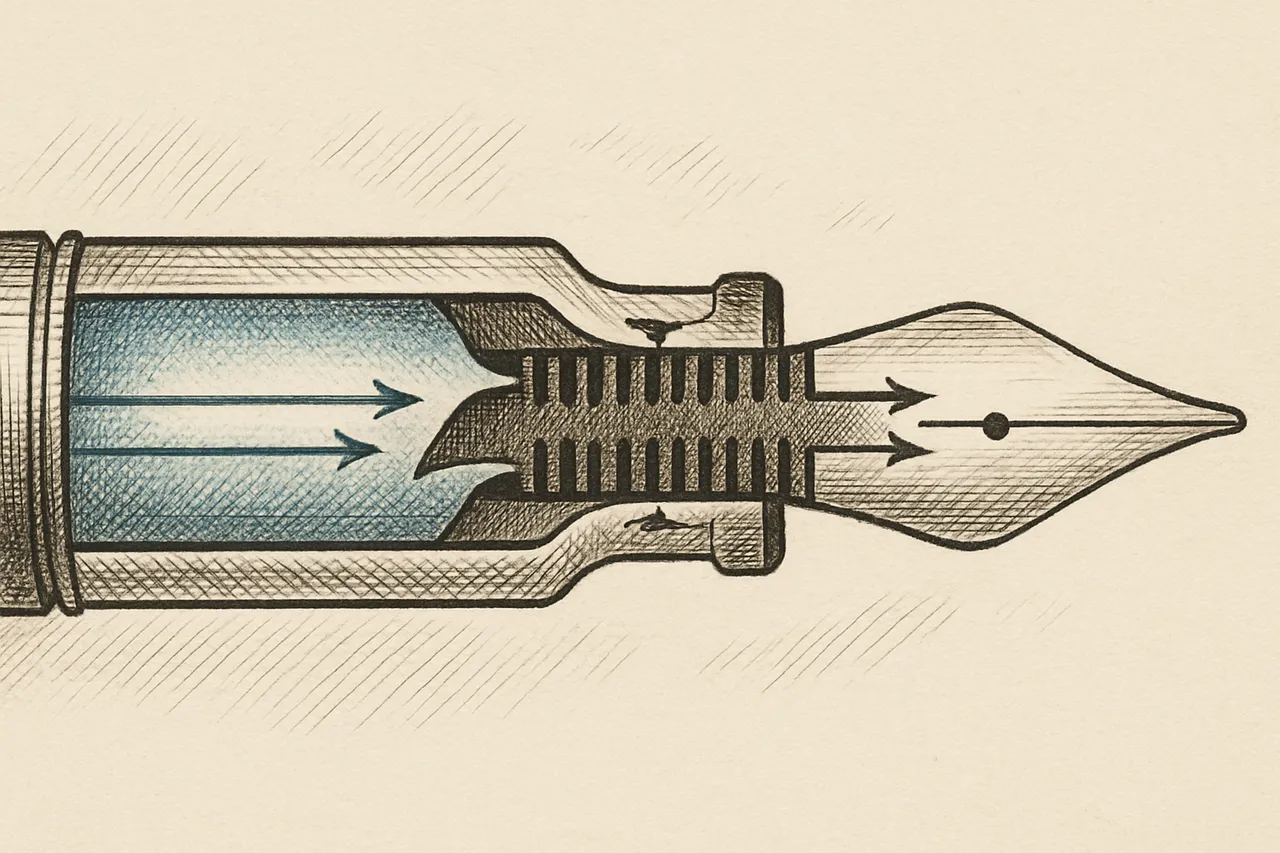
Lewis Waterman Did Not Invent the Fountain Pen. He Invented the Small Part That Stopped It Blotting.
Fountain pens existed for decades before 1884 and most of them were awful, flooding the page one moment and running dry the next. Waterman's patent fixes the reason why, and the fix is a set of narrow grooves cut into a piece of hard rubber.
Read the story →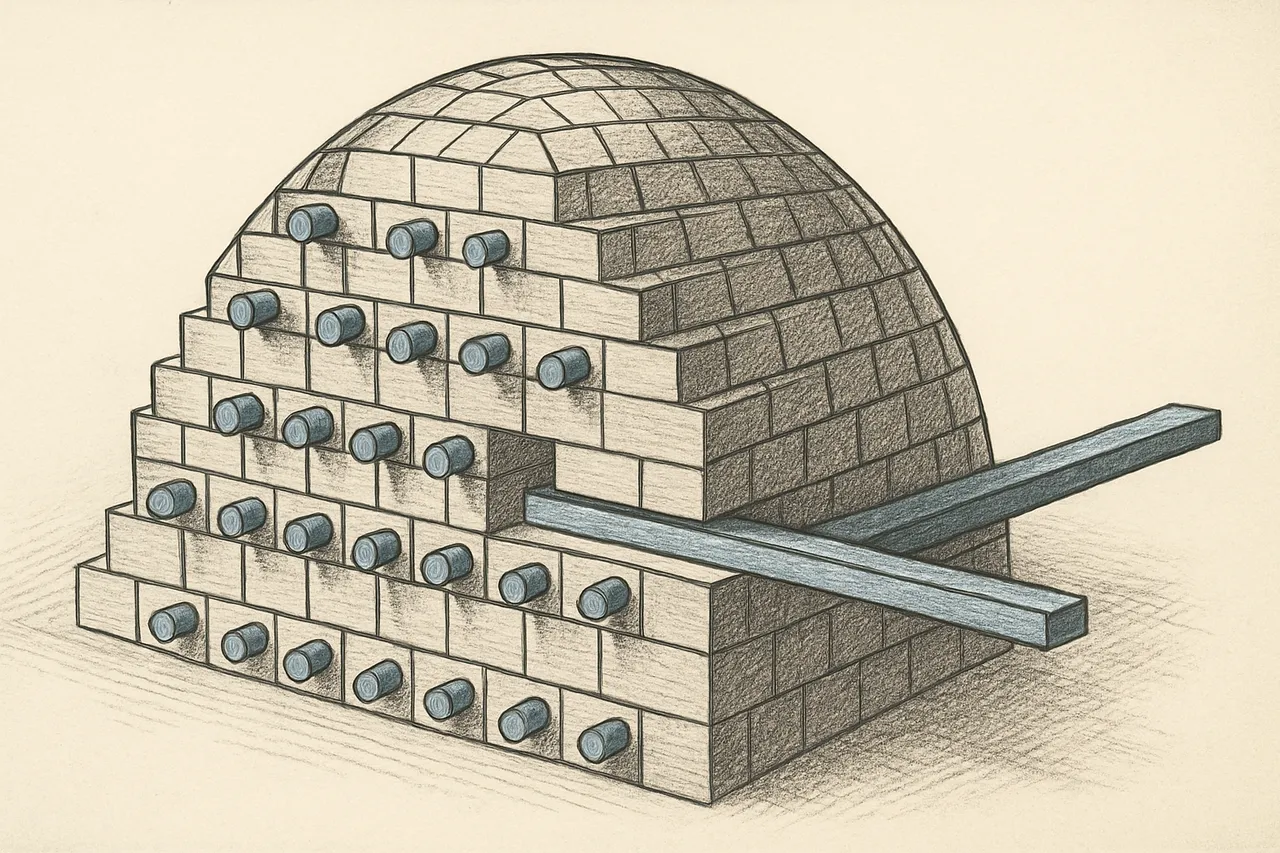
Fermi and Szilard Filed a Patent on the Nuclear Reactor in 1944. It Stayed Secret for More Than Ten Years.
The patent is titled Neutronic Reactor, which is a very flat name for the machine that produced the first controlled nuclear chain reaction. It was filed during the Manhattan Project, buried under a secrecy order, and not published until 1955, six months after Enrico Fermi died.
Read the story →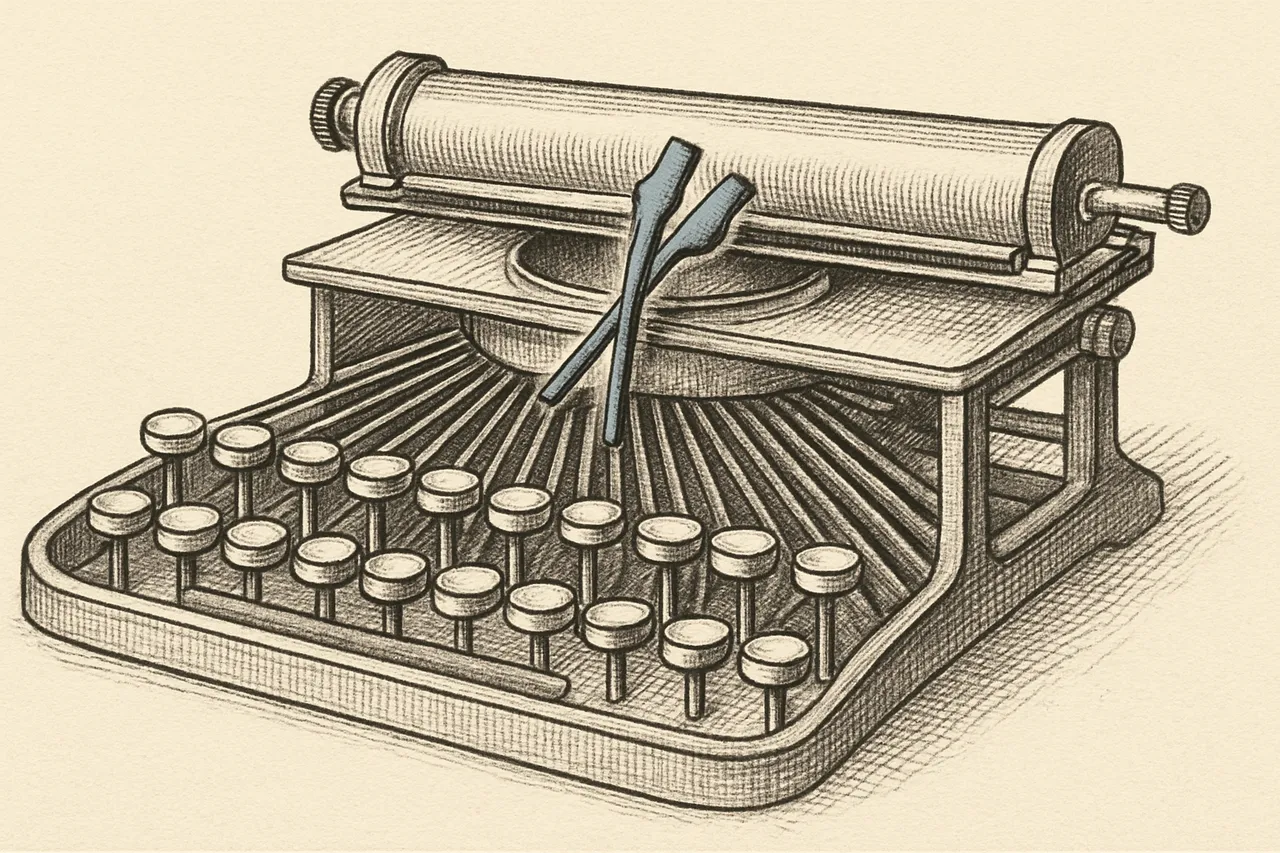
The 1868 Patent Behind the First Successful Typewriter Had Its Keys in Alphabetical Order. QWERTY Came Later, and Nobody Fully Agrees Why.
Christopher Latham Sholes and two partners patented a typewriter in Milwaukee in 1868 with keys arranged like a piano, roughly in alphabetical order. Over the next several years the letters were shuffled into QWERTY. The popular explanation for that is a distortion of a better one.
Read the story →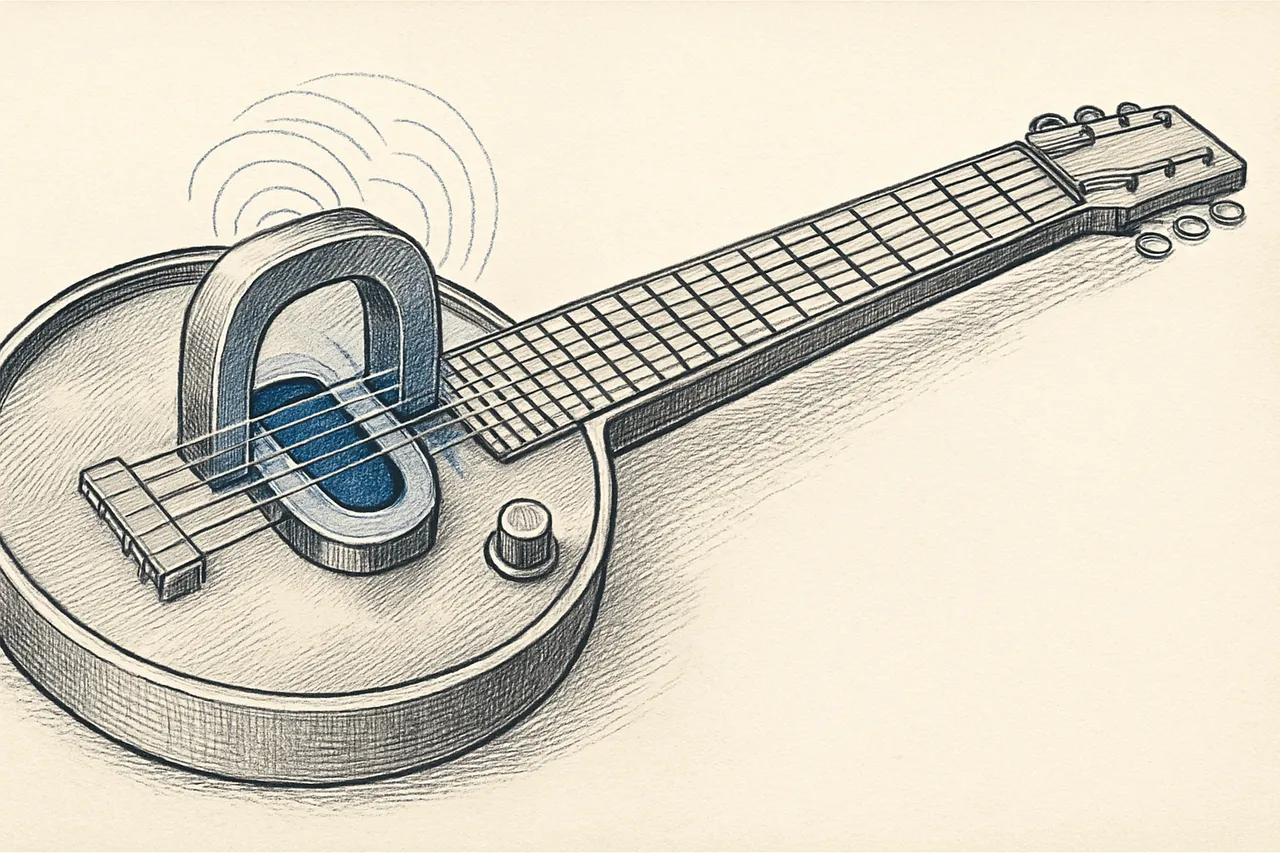
The First Electric Guitar You Could Buy Was Nicknamed the Frying Pan, and Its Patent Took Three Years
In the big band era, guitarists could not be heard over the horns. George Beauchamp set the strings inside a pair of horseshoe magnets, wound a coil beneath them, and mounted it all on a round aluminum body with a long neck. It looked like cookware, and the magnetic pickup it used is still how electric guitars work.
Read the story →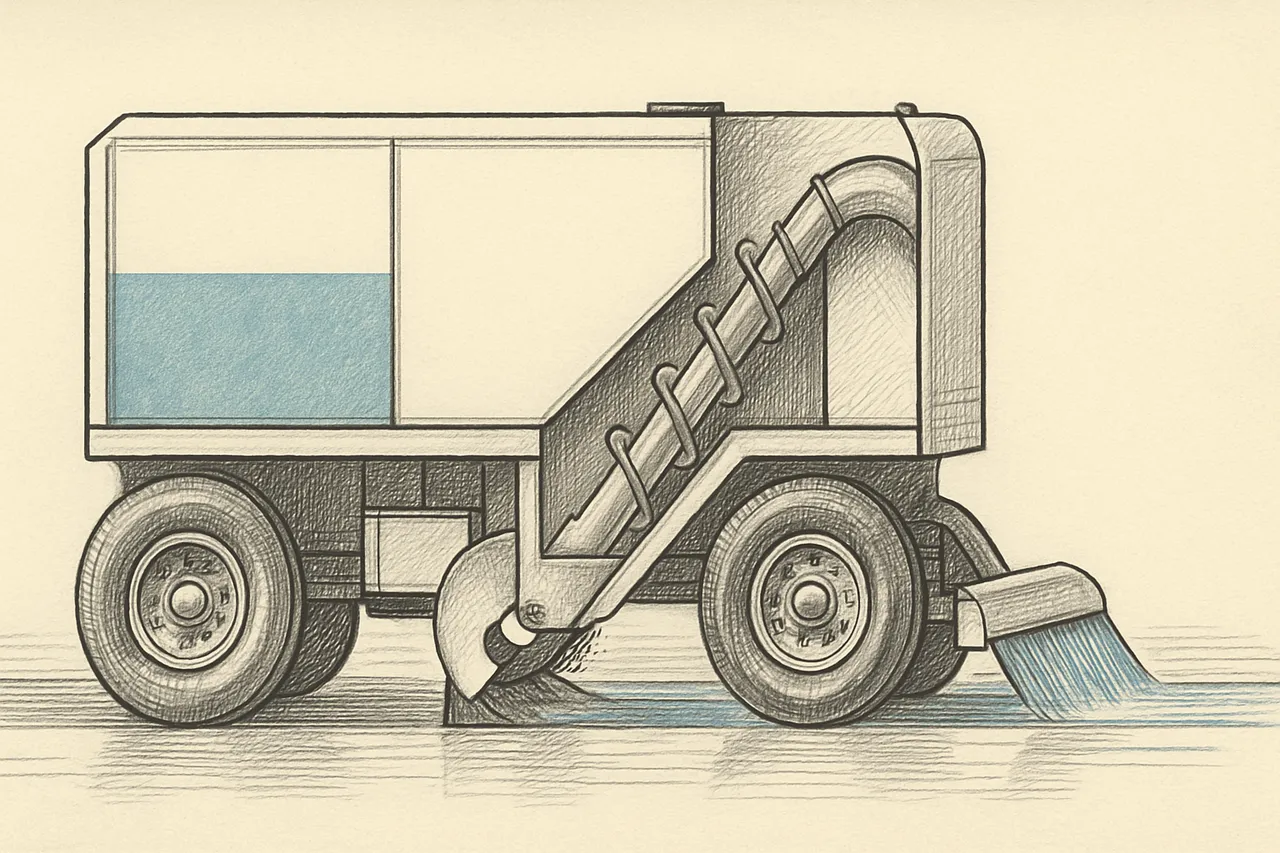
Frank Zamboni Spent Years Building a Machine So His Ice Rink Didn't Need a Crew of Men With Scrapers
Frank Zamboni ran an ice rink in Southern California, and resurfacing the ice by hand took several workers more than an hour. His machine did the whole job in a single pass. Its most important trick is the one people least expect: it lays down warm water, not cold.
Read the story →